
Last updated November 25, 2026
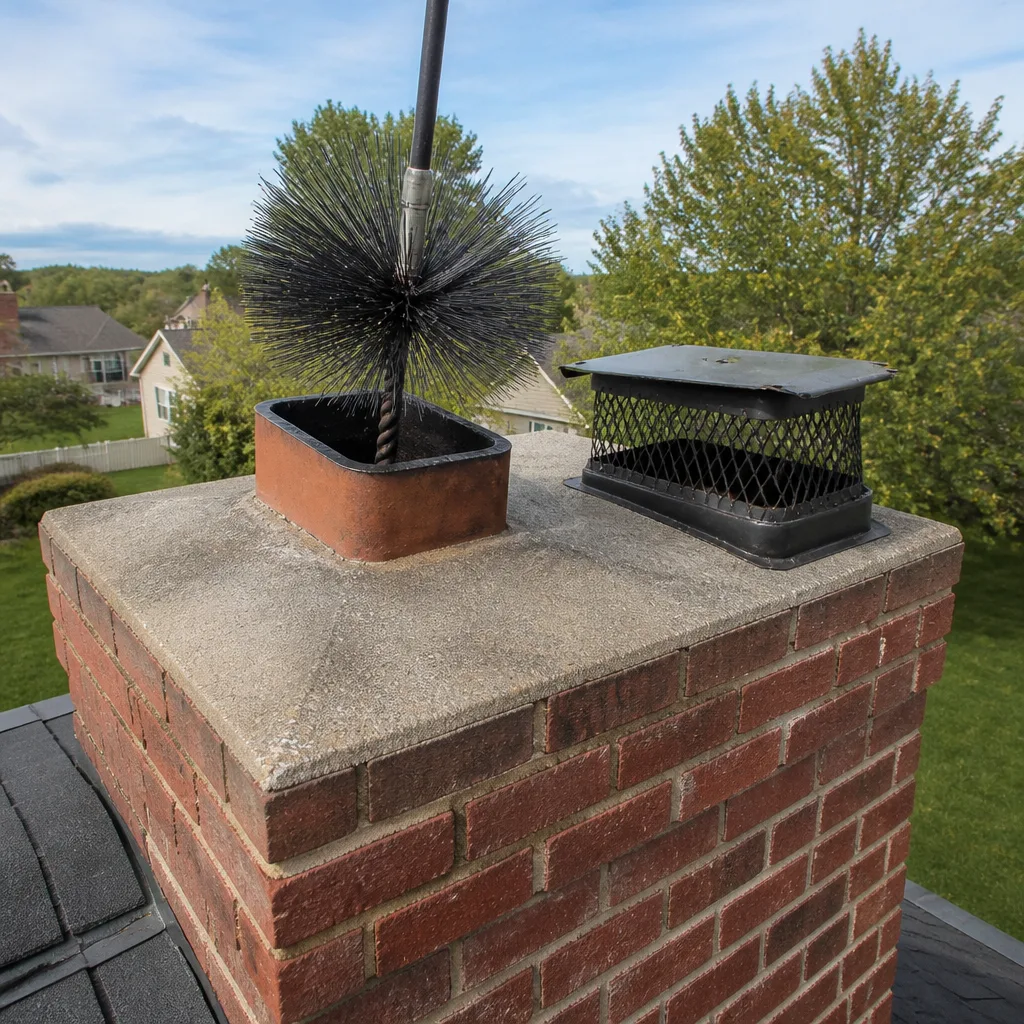 Sweep & inspection
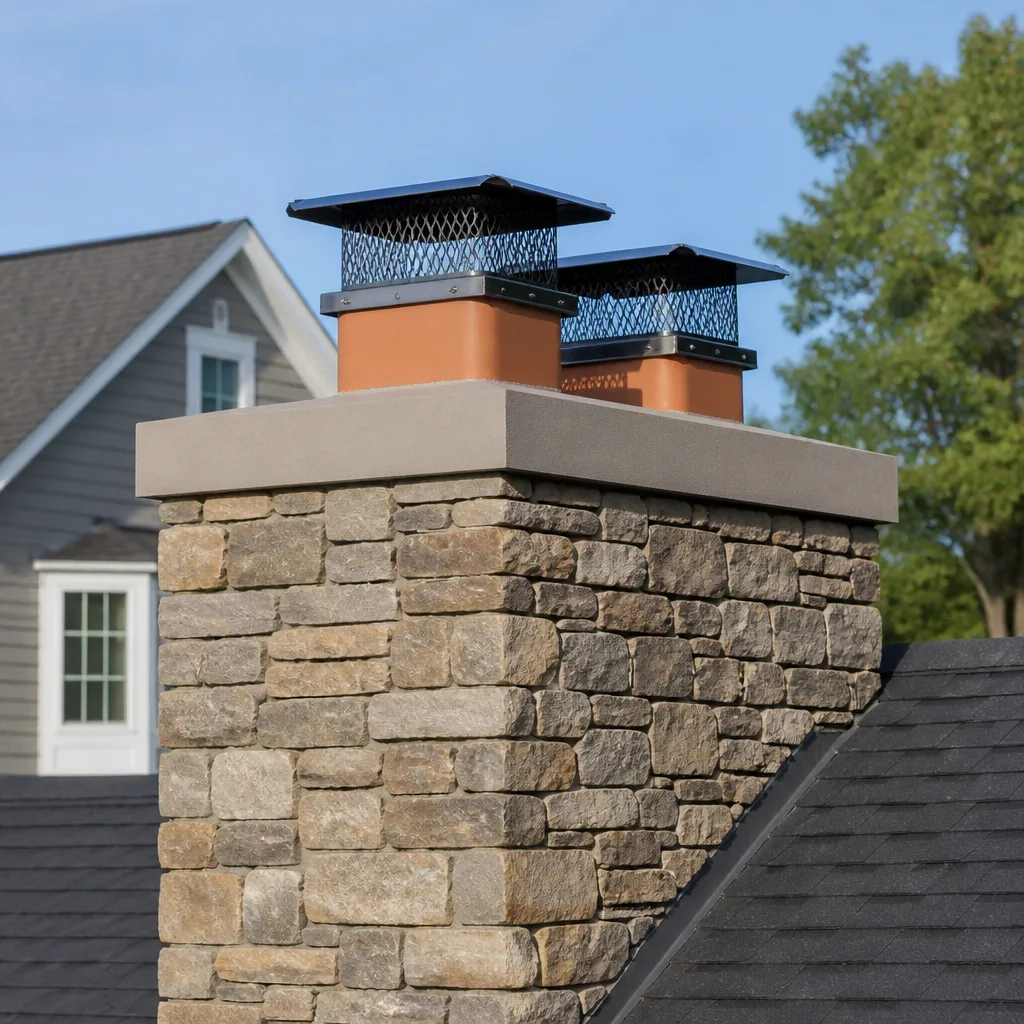 Caps & crowns
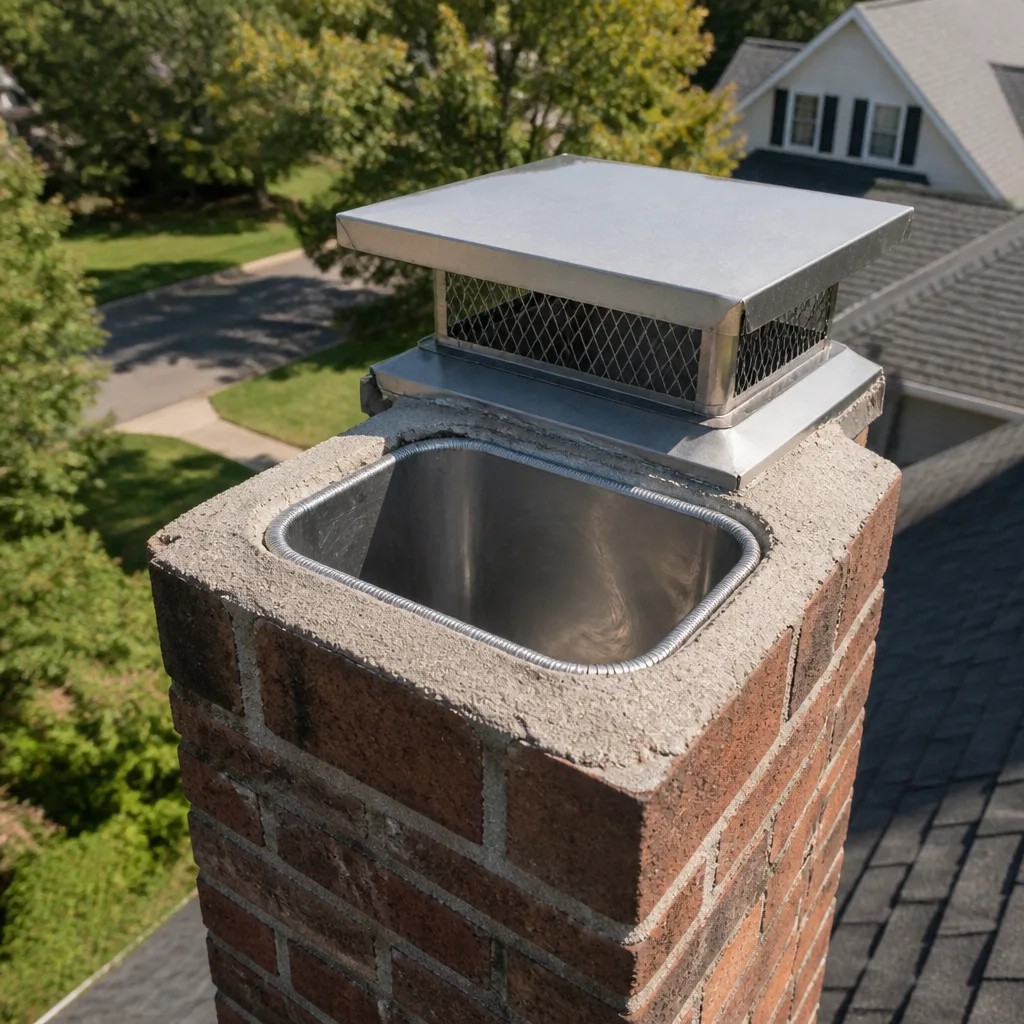 Flue relining
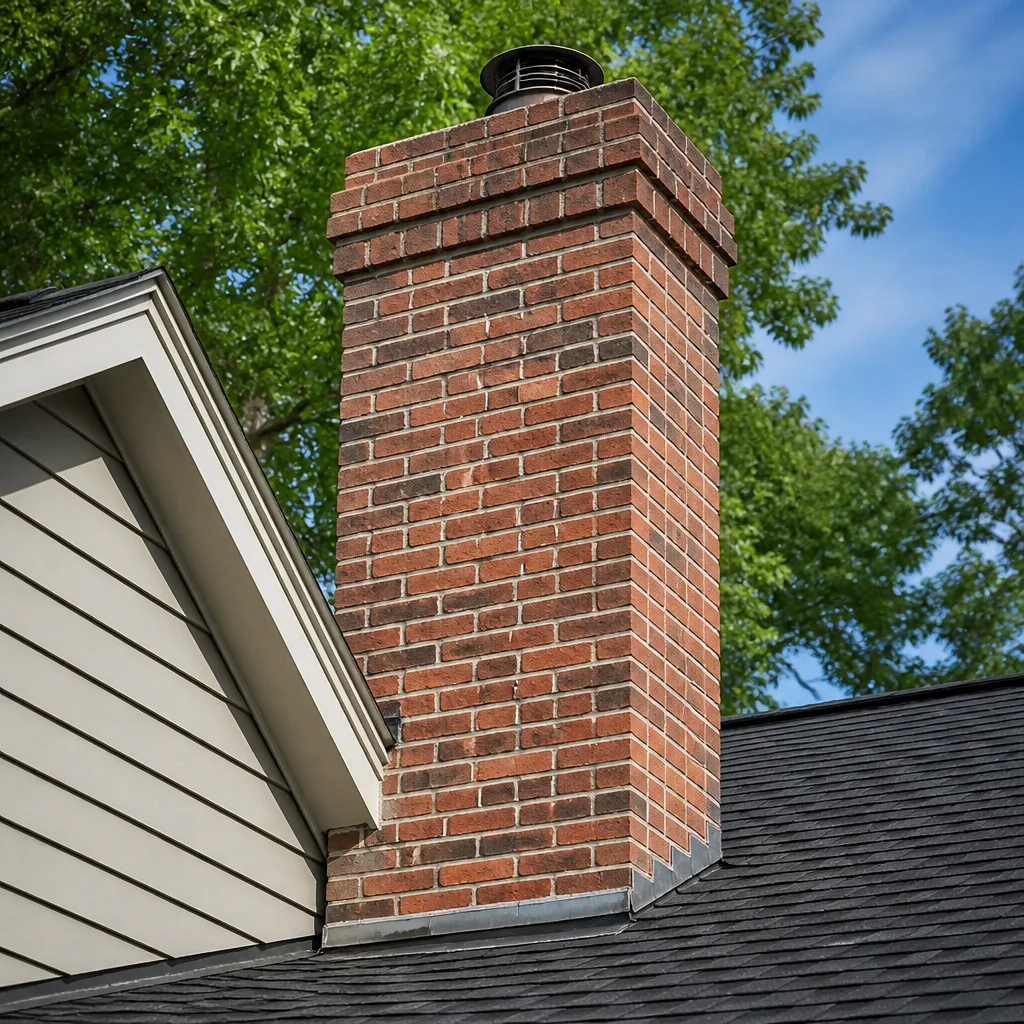 Masonry repair
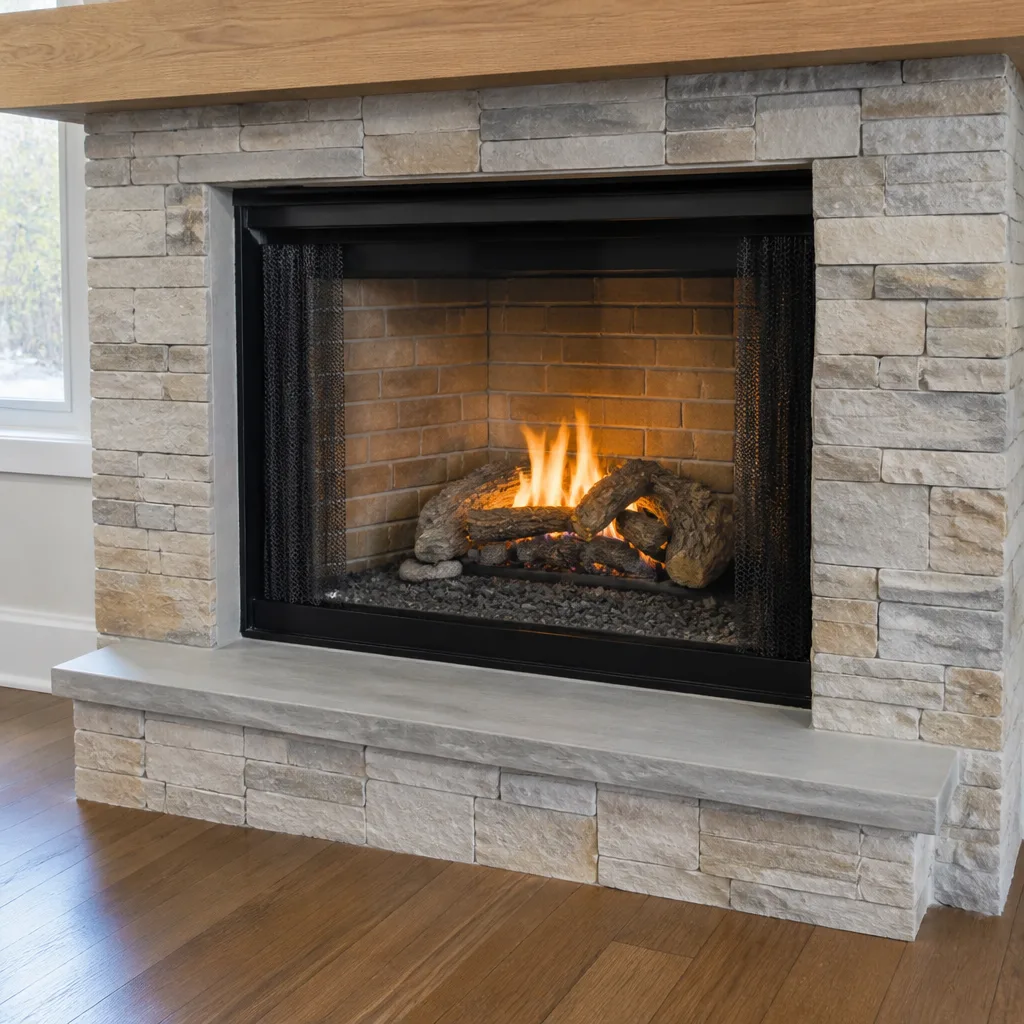 Gas fireplace service
Level 1 sweep and inspection to the NFPA 211 annual standard - flue, crown, cap, and flashing checked and photographed
Chimney sweep logs do not sweep chimneys. They loosen some creosote - which then falls where a brush and vacuum still have to collect it.
Seasonal Chimney Cleaning Care for Portola Springs: Year-Round Homeowner’s Guide
Most homeowners here think about their chimney exactly once: the first cold evening when they light a fire. That’s backwards. The damage that costs the most in Portola Springs doesn’t happen while the fire burns. It happens in the months the fireplace sits cold and forgotten, when summer heat pulls at mortar and autumn winds push debris into places nobody looks. Santa Ana wind events are the clearest example. They drive grit, moisture, and negative pressure through flues, and most homeowners never check afterward because wind doesn’t feel like a chimney problem. This guide gives you a calendar built on our local conditions, so you inspect and clean at the right moments instead of the convenient ones. It covers what happens to your chimney each season, the specific damage to watch for after a major wind event, and how to tell which problems can wait.
Quick Answer
In Portola Springs, the best time for a chimney inspection and sweep is late September, before the first fire of the season and after months of summer heat expansion. A second check belongs after any major Santa Ana wind event, since those winds can shift caps, crack crowns, and drive debris past the damper. Spring cleaning rounds out the year, clearing the ash, soot, and smoke shelf buildup left by a full heating season.
Styles & brands we work with
- Sweep & inspection
- Caps & crowns
- Flue relining
- Masonry repair
- Gas fireplace service
Table of Contents
- Why Portola Springs Chimneys Age Differently
- The Late September Window: Before First Fire
- What Santa Ana Winds Do to Caps, Crowns, and Flashing
- Summer Moisture and Hardened Creosote in Dormant Flues
- Spring Cleaning After a Full Heating Season
- Wildfire Season, Ember Arrest, and When to Suspend Use
- Your Portola Springs Chimney Calendar
- What to Check Yourself Between Professional Visits
Why Portola Springs Chimneys Age Differently
Portola Springs sits in a weather pattern that stresses chimneys in a way a generic year-round guide won’t tell you. Warm, dry summers bake the masonry from the outside. Cool, wet winters soak it from above. Then autumn brings Santa Ana winds, which combine fast-moving dry air with sharp pressure swings. Your chimney is a hollow column of mortar, brick, tile, and metal, and every one of those materials responds to this cycle differently.
Mortar is the clearest case. It expands subtly in prolonged summer heat, then contracts when the cooler nights arrive. Hairline cracks that form at the crown or along the flue’s shoulders are easy to miss. They’re also all the opening moisture needs. In a dry climate like ours, that small crack rarely causes a dramatic leak right away. What it does is feed a slow freeze of behavior: water in, heat out, masonry weakens, and the cycle repeats.
Add Santa Ana wind events and the picture gets more complicated. These winds move grit and debris across roofs, press against caps and chase covers, and create negative pressure inside the flue. A weak cap or an unsecured chase top can be nudged loose. A loose crown can crack further. A gas fireplace or furnace flue that isn’t balanced can be pushed into a reverse draft, pulling combustion gases back into the living space instead of up and out.
We’ve seen this in plain terms: a chimney can look fine from the street and still be holding a crown crack or a loosened cap that only shows up in a close inspection. That’s why the timing of the inspection matters as much as the inspection itself.
Why we work the way we do
We use DuraFlex flexible liner systems on relines where the flue has offsets or damage, because a flexible stainless liner is the professional standard for that kind of job. We install Famco and Gelco caps and venting components because a cap has to be sized to the flue, not grabbed off a shelf. And we use HeatShield for chimney resurfacing, which restores a deteriorating liner at a fraction of full rebuild cost. Knowing the materials lets us explain why a repair is being proposed, not just what it costs.
The Late September Window: Before First Fire
Late September is the best time for a chimney inspection and sweep in Portola Springs. Here’s why it beats every other date on the calendar.
By late September, your chimney has just been through a full summer of heat. Masonry that expanded in the heat has had weeks to settle, and any cracks or loosened joints are visible before the freezing and moisture of winter work them further. At the same time, you haven’t burned a fire yet, so the flue is at its cleanest and easiest to inspect.
The other reason is simple: once the fireplace season starts, the chimney is in constant use. Scheduling an inspection after the first fire means inspecting a flue that’s already carrying soot and creosote back into the house. Late September, before you light that first fire, is the cleanest window for a real look.
What a late-September visit includes:
- A full sweep to clear soot, ash, and creosote from the flue and smoke chamber.
- A camera inspection of the flue liner, checking for cracks, gaps, and blockages.
- A look at the cap, chase cover, crown, and flashing for damage from summer heat or early winds.
- A check of the damper and firebox for smooth operation.
- A written report of what we see and what, if anything, needs fixing before the first fire.
In years when Portola Springs has a very hot summer, we sometimes see above-average soot and creosote in the flue by late September because the fireplace ran longer in the spring. A camera inspection catches that before it matters.
What Santa Ana Winds Do to Caps, Crowns, and Flashing
Santa Ana winds are the single most underestimated chimney risk in Portola Springs. Most homeowners don’t connect wind with chimney damage, so a major wind event passes and nobody looks at the roof. That’s the mistake.
Here’s what a Santa Ana event does to your chimney:
- Caps: A gust can shift or lift a lightly secured cap and its spark arrestor. Once the cap is off, rain and debris get a direct path into the flue, and animals find an open door. Gelco and Famco caps are the ones we trust for spec’d fit, and we replace caps that were never properly sized in the first place.
- Crowns: The crown is the sloped concrete cap on top of the masonry. Winds push grit against the crown and around its edges, and a small crack can widen into a leak point. A crown replacement or repair is the answer before water gets in.
- Flashing: The metal piece that seals the chimney to the roof can loosen under wind pressure. A gap in flashing lets water trail down the chimney and into the attic or ceiling.
- Draft behavior: Negative pressure from a fast-moving wind can reverse the draft on a gas appliance. That’s less a wind-damage issue and more a wind-behavior issue, and it shows up as a draft problem only when the wind is blowing.
After a significant Santa Ana event in Portola Springs, walk outside and look up at the cap and crown from a safe distance. If the cap is tilted, the crown has a visible crack, or you notice staining on the roof below the flashing, that’s a reason to book an inspection. If nothing is visible, a lighter check is reasonable, but a cap that’s merely loose won’t always show from the yard.
Summer Moisture and Hardened Creosote in Dormant Flues
Summer is the season homeowners assume is safest for the chimney. It’s actually the season when hidden moisture does its quiet work, and when creosote in a dormant flue hardens.
Consider what happens over a warm Portola Springs summer. The flue is idle. If the crown or cap has a small opening, humid air works into the masonry and condenses. A humid coastal-influenced summer in Southern California can carry more moisture than people expect, even when the days feel dry. That moisture mixes with the remnants of last winter’s creosote, and the creosote sets like a glaze on the flue walls.
Hardened creosote is a problem because it’s harder to sweep and more likely to burn once the fireplace is used again. It also masks the condition of the liner underneath. A flue that looks clean from the top can hold glazed creosote lower down, and a camera inspection is the only way to see it.
Summer moisture check:
- Look for rust, staining, or a whitish bloom on the exterior masonry after the rainy season.
- Check the crown for the small cracks that summer heat and fall wind can widen.
- Look inside the firebox and at the damper for rust or a musty smell, which suggests moisture got in.
- Look at the cap again after a late-summer wind event. Caps don’t fail in one gust; they loosen over time.
If you see any of this, don’t wait for September. An inspection now prevents a bigger problem later.
Spring Cleaning After a Full Heating Season
Once the last fire of the season has burned, spring is the time to reset the chimney for summer. A full heating season leaves three things behind that deserve attention: a soot layer on the smoke shelf and smoke chamber, an ash pile in the ash pit or firebox, and a liner that has been through months of heat and soot.
Spring cleaning in Portola Springs has its own logic. You want to clear out soot and ash before summer soot darkens the masonry and hardens. You want the liner checked for cracks before the winter moisture cycle begins. And you want the cap back in place, because the Santa Ana season arrives in the fall and the chimney should be sealed and ready before the first strong wind.
Spring chimney priorities:
- Sweep the flue and clear the smoke shelf and smoke chamber of the season’s soot.
- Empty the ash pit or firebox, since ash left through summer absorbs moisture and speeds up corrosion.
- Inspect the flue liner for cracks, gaps, and dislodged tiles.
- Check the crown and cap for damage.
- Clean glass doors and the firebox, and check the damper’s seals.
If the flue liner shows some deterioration but is structurally sound, HeatShield resurfacing can restore it without a full rebuild. It’s a repair option that many competitors don’t offer, and it’s usually the difference between a modest repair and a major rebuild. If the liner has gaps or separation, a DuraFlex or Olympia Chimney liner may be the correct fix. Either way, the spring inspection is the moment to find out before the winter use season.
Wildfire Season, Ember Arrest, and When to Suspend Use
Fireplace season in Portola Springs overlaps with wildfire season. That creates a question most guides skip: when is it actually safe to burn?
The answer is about air quality and fire weather, not just the chimney’s angle. When local air quality is poor, or the region is under a fire weather watch or red flag warning, a working fireplace adds smoke and particulates to the air. In those conditions, most households suspend fireplace use until conditions improve. A gas fireplace is a different case, and you should follow the manufacturer’s guidance and the local air quality index.
When it’s safe to burn again, the chimney needs a quick check. The same Santa Ana winds that drive fire weather also tax the chimney, and a cap or crown that was loosened during the same wind event can let embers into places they shouldn’t be.
Ember arrest and the wildland-urban interface:
- A properly fitted spark arrestor is the first line of defense. Gelco and Famco caps with arrestors are the ones we spec when the home sits near unburned brush.
- A missing or damaged arrestor means an ember can leave the chimney and settle on a roof or a dry gutter. That’s a reason to fix the cap before fire season, not after.
- A cap that’s loose from a wind event is a fire-safety concern as well as a water-safety concern.
Suspend fireplace use whenever local air quality reaches an unhealthy level, and always check the current air quality index before lighting a fire in a high-risk period.
Your Portola Springs Chimney Calendar
Here’s the seasonal rhythm in one place. Treat it as your default, and adjust it after a major wind event or a wet stretch.
| Season | What to do | Why it matters here |
|---|---|---|
| Late February to March | Spring sweep and inspection | Clears the season’s soot and ash before summer heat and hardens before the winter moisture cycle |
| April to June | Check cap, crown, and flashing; look at the flue from the firebox | Spots summer moisture intrusion and wind-loosened components |
| July to August | Quick check after any Santa Ana wind event | Wind pushes debris, loosens caps, widens crown cracks |
| Late September | Full sweep and camera inspection before first use | Flue is cleanest, masonry has settled, and the season hasn’t started |
| October to December | Respond to wind events; rely on the September inspection | First fires and the strongest Santa Ana periods overlap |
| January to February | Watch for moisture damage; schedule the spring visit | Rain and the season’s soot accumulate together |
If you schedule only one professional visit a year in Portola Springs, make it the late-September one. That’s the visit that protects the heating season. The spring visit is the one that protects the chimney during its dormant months.
What to Check Yourself Between Professional Visits
A professional chimney inspection is the only way to see inside the flue. Between visits, though, there are things a homeowner can check safely from the ground and from inside the house. None of them involve climbing onto the roof or reaching into the chimney.
- Look at the roofline after a wind event. A tilted cap or a changed crown profile is visible from the yard.
- Check for roof staining. Dark streaks on the shingles below the chimney can mean flashing has come loose.
- Look at the firebox after the first fall fire. Rust, a musty smell, or soot staining on the fireplace face suggests a draft or moisture problem.
- Test the damper by hand. It should open and close smoothly without sticking.
- Watch for draft problems. A fireplace that smokes into the room, or a gas appliance that seems to push air backward, is a reason to book a professional inspection.
For anything involving the flue liner, the cap, the crown, or the structure of the chimney, stop at the check. A flue liner is not a DIY component. A damaged liner lets combustion gases into the living space, and a cap or crown repair made with the wrong material fails within a season.
Common Mistakes to Avoid
- Skipping a check after a Santa Ana wind event. Most homeowners don’t associate wind with chimney damage, so the cap and crown go uninspected after the event that most likely loosened them. A quick look at the roofline after a strong wind is the cheapest inspection you can do.
- Waiting for the first cold night to schedule a sweep. By then the season has started and the schedule fills. Late September in Portola Springs is the natural moment to book.
- Assuming a clean-looking flue is a safe one. Glazed creosote and a cracked liner can hide below the visible top of the flue. Only a camera inspection tells you what’s really inside.
- Hiring whoever quotes the lowest price. A low quote often uses a big-box cap or a generic liner. A cap that isn’t sized to your flue doesn’t seal, and a generic liner may not fit the flue’s offsets. Famco, Gelco, DuraFlex, and Olympia Chimney parts are built to chimney-industry specifications, and that’s the difference.
- Replacing a whole chimney when a resurfacing will do. A deteriorating but structurally sound liner can often be restored with HeatShield resurfacing instead of a full rebuild. Not every contractor offers it.
- Leaving the ash pit full through the summer. Ash absorbs moisture and holds it against the firebox and smoke chamber. Spring is the time to clear it.
- Burning during a poor air-quality day or a red flag warning. Fireplace use during a fire weather watch adds smoke to already stressed air. Check the air quality index before lighting a fire in the fall and winter.
See the difference
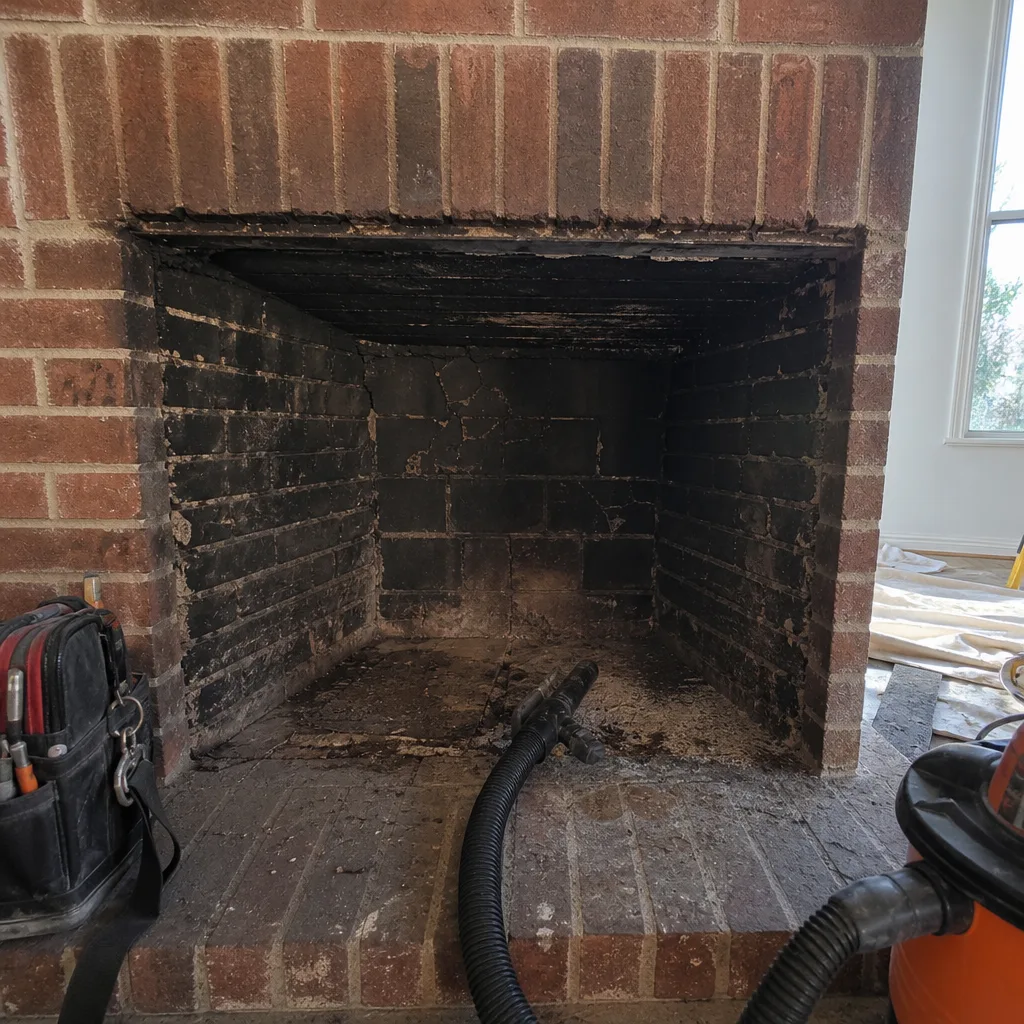 Before
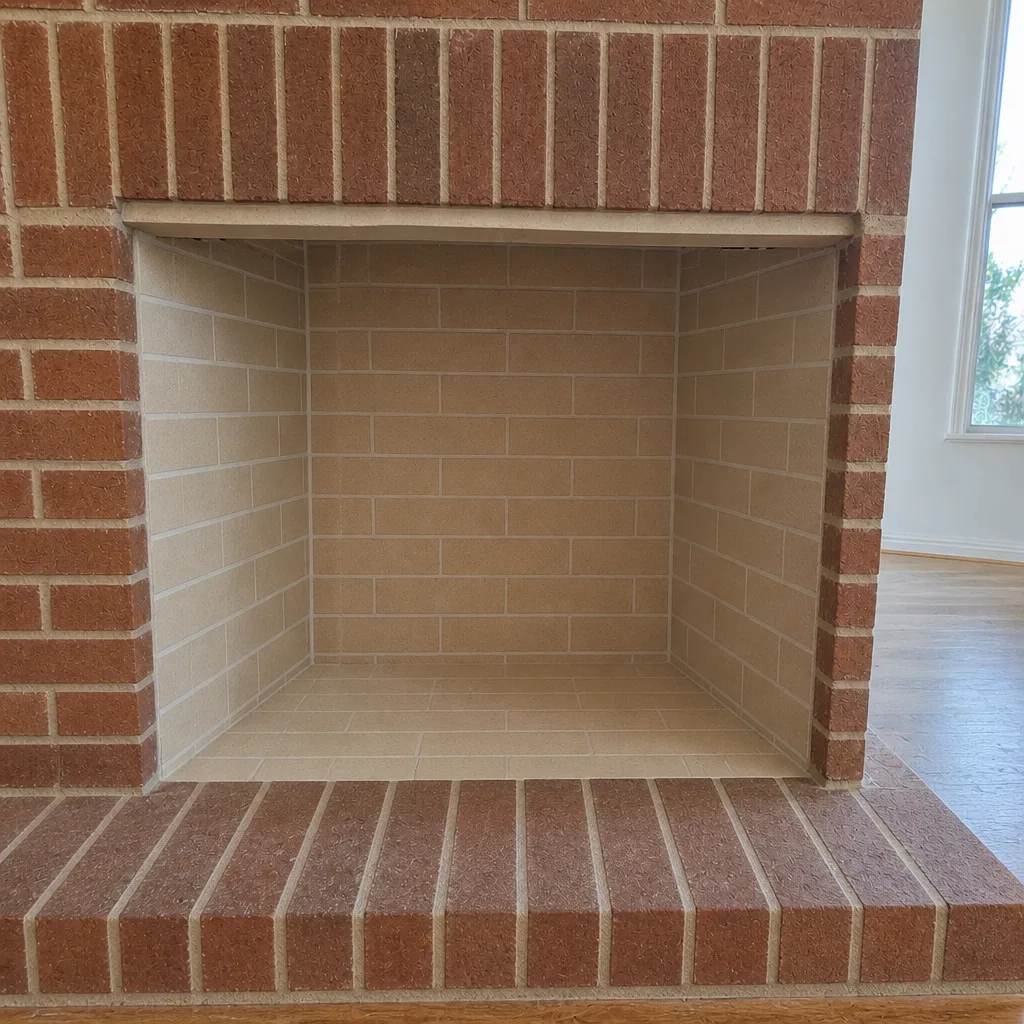 After
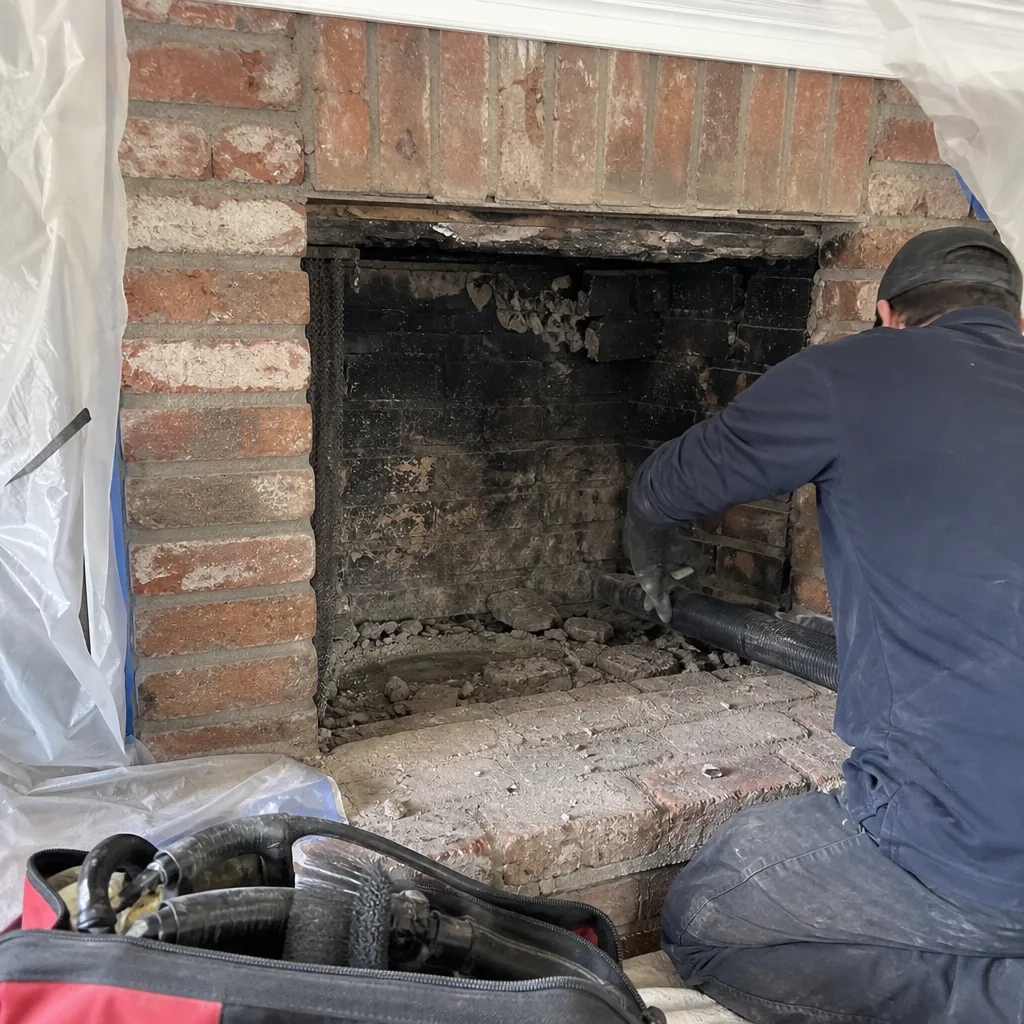 Before
 After
 Before
 After
When to Call a Professional
Some chimney problems can wait for the seasonal visit. Others shouldn’t. Call a professional when you see a tile or cap sitting wrong after a wind event, when you find a crack in the crown wider than a hairline, when the flashing shows rust or staining below it on the roof, when the fireplace smokes into the room instead of up the flue, when a gas appliance seems to be pushing air backward, or when you’ve gone a full heating season without a sweep. Call after the first fall fire if you notice rust or a musty smell in the firebox. And call if you’re buying or selling a home in Portola Springs and want an honest condition report before you commit – a standalone chimney inspection gives you that picture without a sales pitch attached. Chimney Sweep Portola Springs offers free estimates in Portola Springs. Call (855) 337-1632 to get one on the calendar.
How Much Does a Chimney Sweep Cost in Portola Springs?
A standard chimney sweep in Portola Springs typically costs between $150 and $300, and a camera inspection is often included in the same visit. Costs move up when the flue is heavily glazed, more than one flue needs cleaning, or the job requires a ladder or roof access that takes extra time. The written estimate sets the final price, and you see it before any work is booked.
| Service | Typical estimated range |
|---|---|
| Standard chimney sweep (single flue) | $150 – $300 |
| Camera inspection (standalone, no sweep) | $175 – $350 |
| Cap replacement (Gelco or Famco, sized to flue) | $250 – $500 |
| Crown repair or replacement | $400 – $900 |
| HeatShield liner resurfacing | $1,200 – $2,800 |
| DuraFlex or Olympia Chimney reline | $2,500 – $5,500 |
Those ranges are estimates for typical jobs, not exact quotes. Wide flues, multiple flues, and more extensive damage push the number higher. For an exact price on your chimney, call (855) 337-1632. Estimates are free.
Frequently Asked Questions
Once a year for most homes that burn fires regularly, ideally in late September before the season starts. A home that burns only occasionally may be able to go longer, but an annual inspection is still the smart minimum because it catches liner and cap problems before they become expensive. Call (855) 337-1632 to book a sweep and inspection.
Creosote builds up in the flue and hardens through the summer, making it harder to remove and more likely to burn when the fireplace runs again. Moisture gets into small crown or cap openings and works at the masonry, and a hairline liner crack can turn into a real leak. None of that announces itself. The flue just quietly gets worse until an inspection finds it. Call (855) 337-1632 for an exact quote; the estimate is free.
Only if the liner is genuinely failing. A cracked or separated flue liner should be relined because combustion gases can get into the wall structure and living space. A liner with surface deterioration but no separation can often be restored with HeatShield resurfacing at a fraction of the cost. The answer comes from the camera image, not from a sales pitch. Call (855) 337-1632 to get a camera inspection first.
Yes, if the winds were strong. Santa Ana events can loosen caps, widen crown cracks, and shift flashing, and none of that is visible from inside the house. A quick look at the roofline is free; a professional inspection confirms it. Call (855) 337-1632 if you saw anything out of place after a wind event.
Only when local air quality is reasonable and the region isn’t under a fire weather watch or red flag warning. During those periods, a working fireplace adds smoke and particulates to already stressed air, so most households suspend use until conditions improve. Check the air quality index before lighting a fire. Call (855) 337-1632 if you’re unsure about your chimney’s condition before the season.
A standard sweep takes about an hour for a single flue. A sweep with a camera inspection usually runs a bit longer, and multiple flues add time. If we find a liner, cap, or crown issue, we’ll show you the camera evidence and give you a written estimate before any repair is booked. Call (855) 337-1632 to schedule.
The Bottom Line
The right time to care for a Portola Springs chimney isn’t when the fire is lit. It’s late September, before the season starts, when the flue is clean and the summer heat has settled. Pair that with a check after every major Santa Ana wind event, a spring sweep to clear the winter’s soot and ash, and a quick look at cap, crown, and flashing before fire weather returns. If you follow that rhythm, the chimney stays sound through the year instead of failing at the worst moment. And when a repair is proposed, know that the evidence comes first: a clean, properly lined flue is what keeps combustion gases out of your living space.
Ready to Schedule Your Portola Springs Chimney Visit?
Whether you’re booking a late-September chimney sweep, need a standalone inspection after a wind event, or want an honest look at a liner that a previous contractor flagged, we can help. We also handle fireplace repair and chimney cap & crown work, and we work with DuraFlex, HeatShield, Gelco, Olympia Chimney, Famco, and Copperfield materials so the parts are built to chimney-industry specifications. Our technicians have up to 10 years of experience. Call (855) 337-1632. We answer 24/7. Fast dispatch from 7am to 7pm, Sunday through Friday. Estimates are free.
Written by the team at Chimney Sweep Portola Springs.