
Last updated November 25, 2026
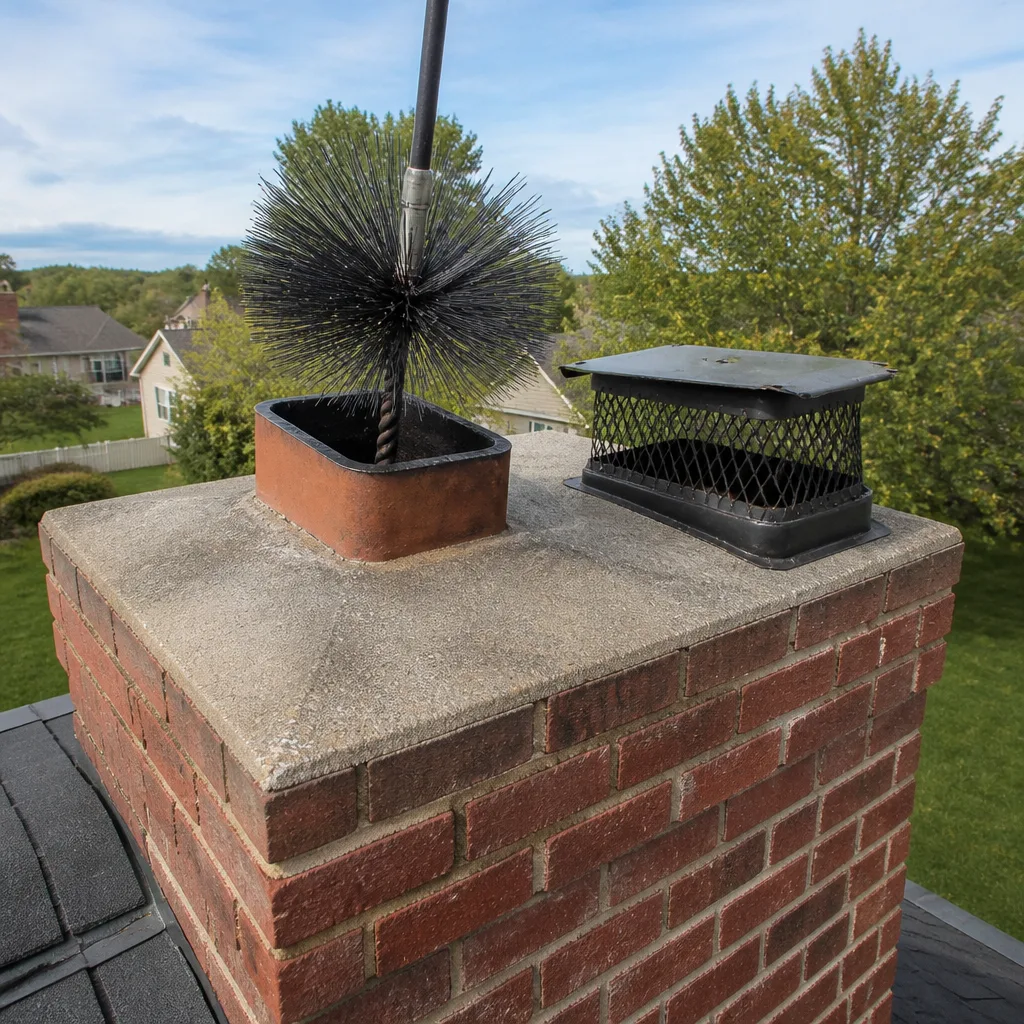 Sweep & inspection
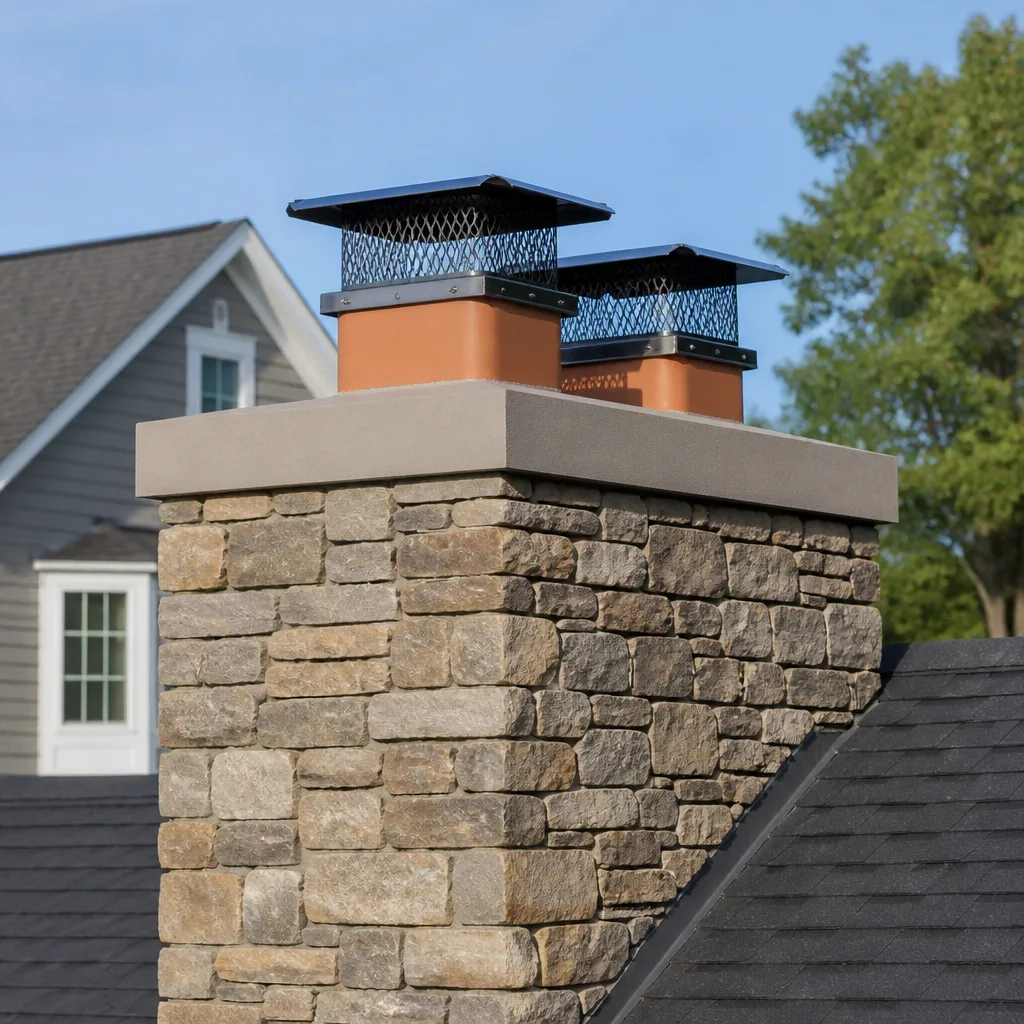 Caps & crowns
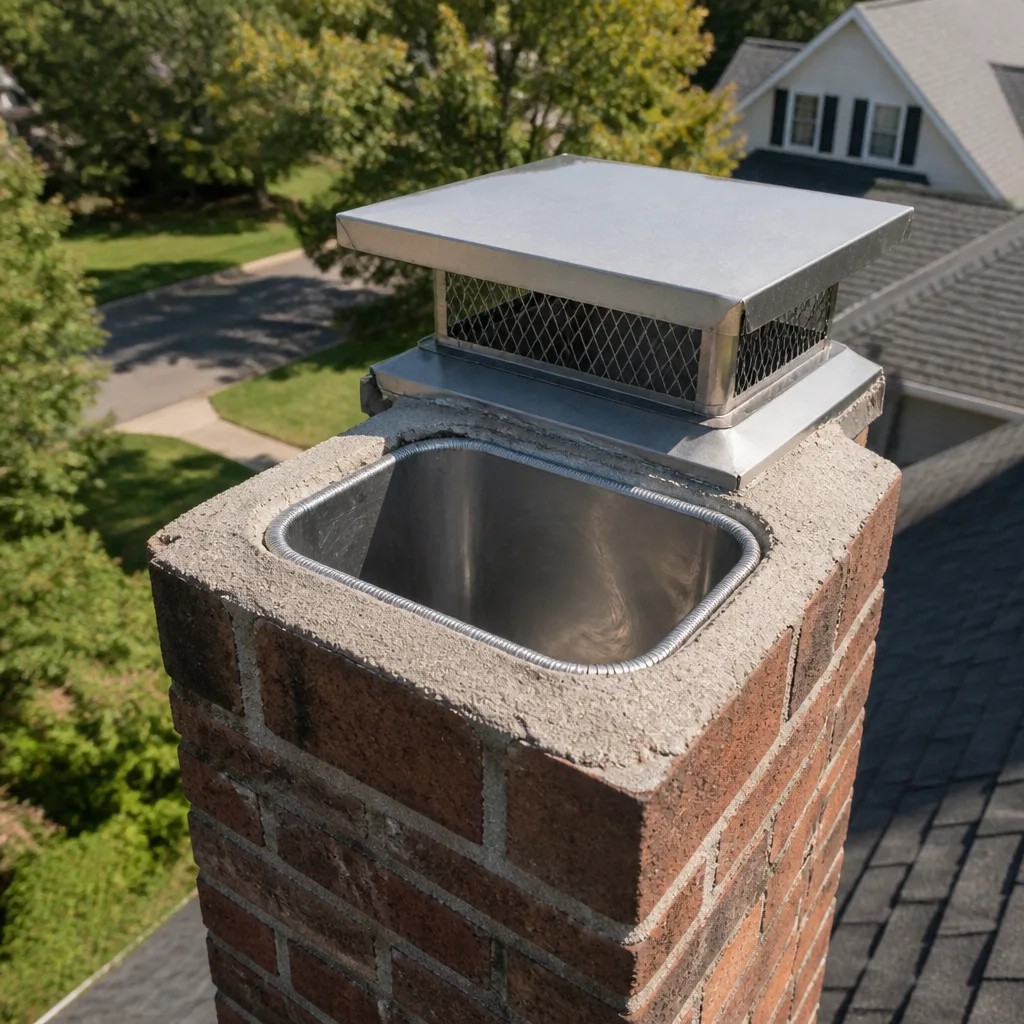 Flue relining
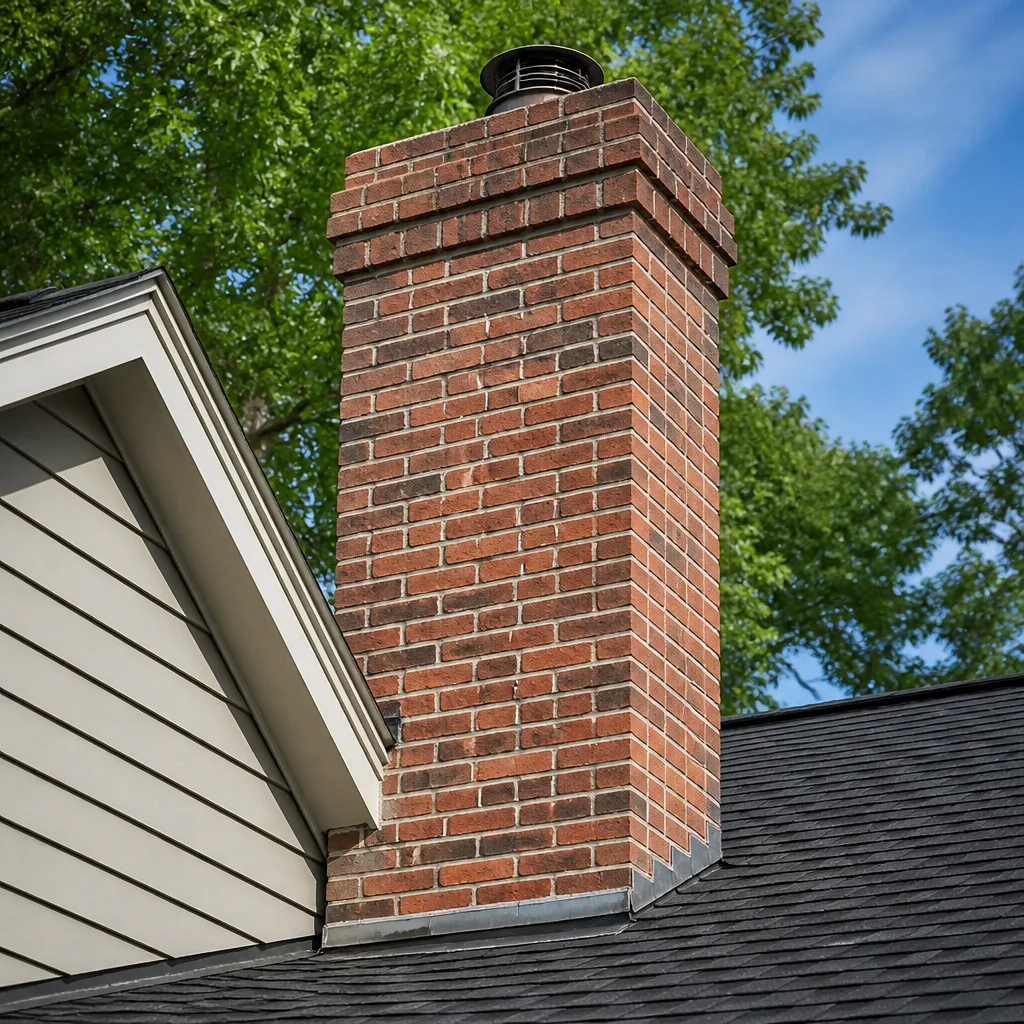 Masonry repair
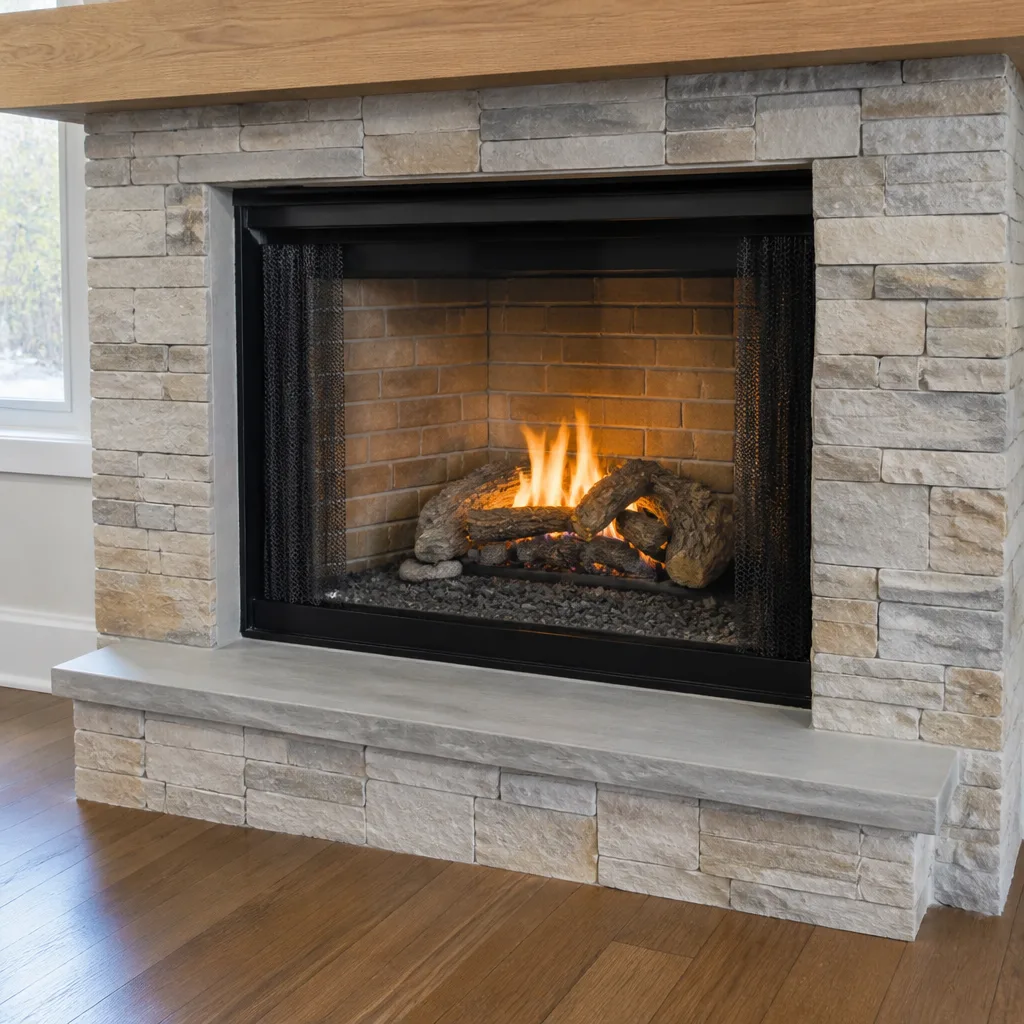 Gas fireplace service
Level 1 sweep and inspection to the NFPA 211 annual standard - flue, crown, cap, and flashing checked and photographed
Chimney sweep logs do not sweep chimneys. They loosen some creosote - which then falls where a brush and vacuum still have to collect it.
Chimney Cleaning Emergency Preparedness Guide for Portola Springs Homes
A chimney fire doesn’t always announce itself with a roar. Many burn slowly inside the flue for minutes, sometimes longer, before anyone in the house notices anything at all. In a newer, tightly sealed Portola Springs home, the first reliable signal may not be visible smoke or flames. It may be a carbon monoxide detector going off in a hallway. That gap between what people expect and what actually happens is exactly why preparation matters more than reaction. This guide walks through the three phases that decide the outcome: what you do before a chimney emergency, what you do during one, and what has to happen afterward before the fireplace is safe to use again. You’ll get the two types of chimney fire, a clear in-event protocol, the carbon monoxide scenarios specific to gas inserts, and the inspection and insurance steps that follow.
Quick Answer
Chimney emergencies fall into three categories: chimney fires, carbon monoxide events, and sudden flue blockages. During a chimney fire, close all air supplies to the firebox, get everyone out, and call 911. Do not put water on a masonry chimney fire. After any suspected fire or CO event, the chimney cannot be used again until a Level 2 inspection confirms the flue is intact. The prevention work that matters most is an annual sweep and inspection before the heating season starts, done in Portola Springs before the first cool evenings arrive.
Styles & brands we work with
- Sweep & inspection
- Caps & crowns
- Flue relining
- Masonry repair
- Gas fireplace service
Table of Contents
- The Two Types of Chimney Fire and How to Tell Them Apart
- Step-by-Step: What to Do During a Chimney Fire
- Carbon Monoxide Back-Draft in Gas Insert Systems
- Pre-Season Preparation That Prevents the Emergency
- What a Post-Fire Level 2 Inspection Covers
- Emergency Contacts, Documentation, and Insurance Claims
- Sudden Blockages: Birds, Nests, and Collapsed Flue Tiles
- Common Mistakes to Avoid
The Two Types of Chimney Fire and How to Tell Them Apart
Chimney fires don’t all behave the same way, and the difference matters because the signals you’ll notice inside the home are different. A fast-burn fire is dramatic: a loud roaring or cracking, a vibration you can feel, glowing or discolored stovepipe, and puffs of black smoke from the chimney top. A slow-burn fire is quiet and patient. It feeds on a thick creosote bed, smolders at low temperature, and often goes unnoticed until damage is already done. In our experience, the slow-burn variety is the one that catches Portola Springs homeowners off guard, because there’s nothing obvious to react to.
Creosote is the fuel in both cases. It builds up on the flue walls every time you burn, and it comes in stages: light soot, then a flaky crust, then a hardened glaze.
- Fast-burn fire indicators: roaring sound, popping or cracking like a small engine, a hot stovepipe that may glow, visible flames or sparks at the chimney top, sudden dense smoke.
- Slow-burn fire indicators: a faint, persistent smell of burning that doesn’t match what’s in the firebox, warped or discolored damper hardware, cracked flue tiles found later during inspection, and a CO detector alarm with no other explanation.
- What both leave behind: puffy, honeycombed creosote, cracked or spalled flue tiles, warped metal components, and a flue that cannot be trusted until it’s been inspected.
Portola Springs is warm most of the year, so many fireplaces here run hard during a short cool season and then sit unused. That pattern is exactly what grows a heavy creosote load between seasons. A regular chimney sweep resets that buildup before it has a chance to glaze.
Step-by-Step: What to Do During a Chimney Fire
If you suspect a chimney fire, act on the suspicion. The cost of treating a false alarm is nothing. The cost of waiting to be sure is a burned home. Here is the protocol we want every homeowner in Portola Springs to know before they ever need it.
- Close every air supply to the firebox. Shut the glass doors, close the damper if it’s safe to reach, and close any combustion air intake. A fire needs oxygen, and cutting the supply is the fastest way to starve it.
- Get everyone out of the house and call 911. Do this before you try anything else. Tell the dispatcher you believe you have a chimney fire and give your Portola Springs address clearly.
- Do not put water on a masonry chimney fire. A sudden temperature shock can crack flue tiles or explode a hot cast component. Water is a tool for the fire department, not for the homeowner.
- Do not spray a dry-chemical extinguisher up the flue. It’s easy to misfire and dangerous to attempt. Leave fire suppression to trained responders.
- Watch the chimney top from outside, at a safe distance. Note whether you see smoke, sparks, or nothing. This becomes useful information for the fire department and later for your inspector.
- Do not relight the fireplace, even if it seems to have burned itself out. A slow-burn fire can smolder in creosote for hours. The flue is now in an unknown condition.
That last step is the one people skip. A fire that seems to have gone out is not the same as a fire that’s finished. The only way to know is to have the chimney professionally evaluated, and that evaluation has to happen before the next fire is lit.
Carbon Monoxide Back-Draft in Gas Insert Systems
A gas insert is a clean-burning appliance, but it still needs a functioning flue to vent combustion gases out of your house. When the venting path is compromised, exhaust can spill back into the room instead of going up the chimney. That’s back-draft, and it’s a CO risk that many homeowners with gas inserts don’t think to check because they assume “gas means no smoke, so no chimney issue.” The assumption is wrong. The flue still has to work.
Several conditions cause back-draft in Portola Springs homes:
- A blocked or partially blocked flue from a bird nest, a collapsed tile, or heavy soot buildup.
- A disconnected or misaligned liner where the insert connects to the flue, letting exhaust leak before it reaches the top.
- Negative pressure inside a tight home. Modern construction in Portola Springs is well sealed. When kitchen and bath exhaust fans pull more air out than the home can draw in, the chimney can reverse and pull exhaust back down.
- A missing or wrong-sized cap that lets wind-driven air dump down the flue.
The pre-season fix is straightforward: have the flue inspected and swept before the first cool evening, make sure the liner connection at the insert is sealed, and confirm the cap is sized to the flue. We install chimney cap & crown components from Gelco and Olympia Chimney because a correctly sized cap is the single cheapest way to keep a flue clear and stable.
Pre-Season Preparation That Prevents the Emergency
Every chimney emergency in this guide has a preventable version of itself. The work you do in the weeks before the heating season is what separates a quiet winter from a 911 call. Here is the pre-season checklist we recommend for any Portola Springs home with a working fireplace or insert.
- Book a sweep and inspection before the season starts. Get the flue cleaned and the whole system looked at while the weather is still mild and scheduling is easy.
- Test every CO detector in the home. Check the battery, the sensor, and that it’s on the right floor near the sleeping areas. A working CO detector is the only reliable early warning in a tight home.
- Look at the cap and crown from the ground. A rusted, bent, or missing cap is an open invitation for birds and weather. A cracked crown lets water into the masonry.
- Check the firebox and damper. The damper should open and close smoothly. Cracks in the firebox brick or a warped damper are signs of past overheating.
- Burn seasoned wood. Wet wood smolders and lays down creosote fast. Dry wood burns hot and clean.
- Know your emergency contacts before you need them. Write down the fire department non-emergency line, our number at (855) 337-1632, and your insurer’s claims line.
All of that is work we do as one job under a single appointment. Our team handles the sweep, the inspection, the cap and crown, and the repair side of the system, which means you’re not juggling three contractors to get ready for winter. Our technicians have up to 10 years of experience with everything from a routine clean to a full reline.
What a Post-Fire Level 2 Inspection Covers
After any suspected chimney fire, the standard of care is a Level 2 inspection, and it is not optional if you want to use that fireplace again. A Level 2 inspection goes beyond what you’d get in a routine sweep. It examines the accessible parts of the flue and the chimney structure for damage the fire may have caused, and it determines whether the flue can safely vent again.
What the inspection covers:
- The full flue interior, checked for cracked tiles, spalling, gaps in joints, and the puffy honeycombed creosote that marks a fire.
- The liner and any insert connection, to confirm nothing shifted or disconnected.
- The firebox and damper, for warping, cracking, and heat damage.
- The exterior structure, including the crown, the flashing, and the masonry above the roofline.
- The cap and the smoke chamber, both of which can collect fire debris.
We run this inspection as a standalone service, which means you get an honest condition report on its own, not a report bundled with a cleaning sale. If the flue is intact, you’ll know it. If it isn’t, we’ll show you exactly what we see and explain what a repair looks like. Options range from a resurfacing with HeatShield, which restores a deteriorated liner without a full rebuild, to a full reline with DuraFlex when the existing flue is damaged beyond resurfacing. Both are professional-grade systems, and we choose between them based on what the inspection actually shows.
Emergency Contacts, Documentation, and Insurance Claims
An insurance claim for chimney fire damage moves faster and settles cleaner when you have documentation. Most insurers will want a professional inspection report, photos of the affected areas, and a record of when the event happened. Gathering those pieces early, while the details are fresh, is the difference between a smooth claim and a frustrating one.
Build your emergency contact list now:
- 911 for the fire itself or any CO symptoms.
- Your local fire department non-emergency line for follow-up and incident reports.
- Your insurer’s 24-hour claims line, kept somewhere you can reach without power or internet.
- A licensed chimney professional for the post-fire inspection. Ours is (855) 337-1632.
For documentation, save these as you go:
- Photos of the firebox, the chimney exterior, and any visible damage.
- The fire department’s incident report, if one was filed.
- The written inspection report from a licensed professional, with photos of the flue interior.
- Receipts for any emergency work done.
- Your written estimate for the repair, itemized by system component.
A certified inspection report is often the document that gets a claim approved rather than stalled. We provide it with photos and a written summary, and you can share it directly with your adjuster. We can also work with your insurer to make sure the repair scope matches what the claim covers, so nothing gets cut short.
Sudden Blockages: Birds, Nests, and Collapsed Flue Tiles
Not every chimney emergency is a fire. A sudden blockage can fill a home with smoke the moment you light a fire, and it can also send CO back into the room. The most common culprits are bird nests, squirrels, and fallen debris in the flue, plus collapsed flue tiles in older or fire-damaged chimneys. In Portola Springs, where the weather stays mild and many homes back onto open space and greenbelt, animal intrusion into a chimney is a real and recurring problem.
The warning signs of a blockage:
- Smoke rolling back into the room instead of going up the flue.
- A strong draft reversal when you open the damper.
- Scratching or rustling sounds from inside the chimney.
- A smell of soot, ash, or animal waste even when the fireplace is cold.
Never try to clear a blockage by burning it out or by reaching down from the roof with a makeshift tool. A missed obstruction can drop further and wedge, and a loose tile can fall while you’re working. This is a job for a sweep with the right rods and a camera. We clear the blockage, confirm the flue is intact with a camera inspection, and repair any cap or crown damage that let the animal in. If a collapsed tile is the cause, that’s where a DuraFlex reline comes in.
Common Mistakes to Avoid
- Waiting for visible flames before acting. A slow-burn fire may never show flames from inside the home. A CO alarm, a strange smell, or an odd sound is reason enough to evacuate and call. Treat the suspicion as the emergency.
- Using the fireplace again before an inspection. After any suspected fire or blockage, the flue is in unknown condition. Relighting it, even days later, risks a second event or a silent CO spill. Wait for the Level 2 inspection.
- Assuming a gas insert needs no chimney care. Gas still vents through a flue that can clog, crack, or disconnect. Skipping the annual check on a gas insert in a Portola Springs home is one of the most common ways people set up a back-draft.
- Ignoring the cap because “it’s just a lid.” A missing or wrong-sized cap is how birds, rain, and downdrafts get in. We use Gelco and Famco caps sized to the flue, not an off-the-shelf generic that doesn’t fit.
- Treating a chimney fire as a one-time event with no lasting damage. Even a small fire can crack tiles and glaze the flue wall. The damage lives inside the chimney, where you can’t see it without a camera.
- Skipping the annual sweep because the fireplace “works fine.” A working fireplace is not a clean chimney. Creosote builds whether or not you notice the smoke, and the quiet years are the ones that load it up.
- Letting a contractor sell a rebuild before a real inspection. If someone quotes thousands of dollars for a liner without showing you what’s inside the flue, ask for camera evidence first. Nothing should be recommended that you can’t see for yourself.
See the difference
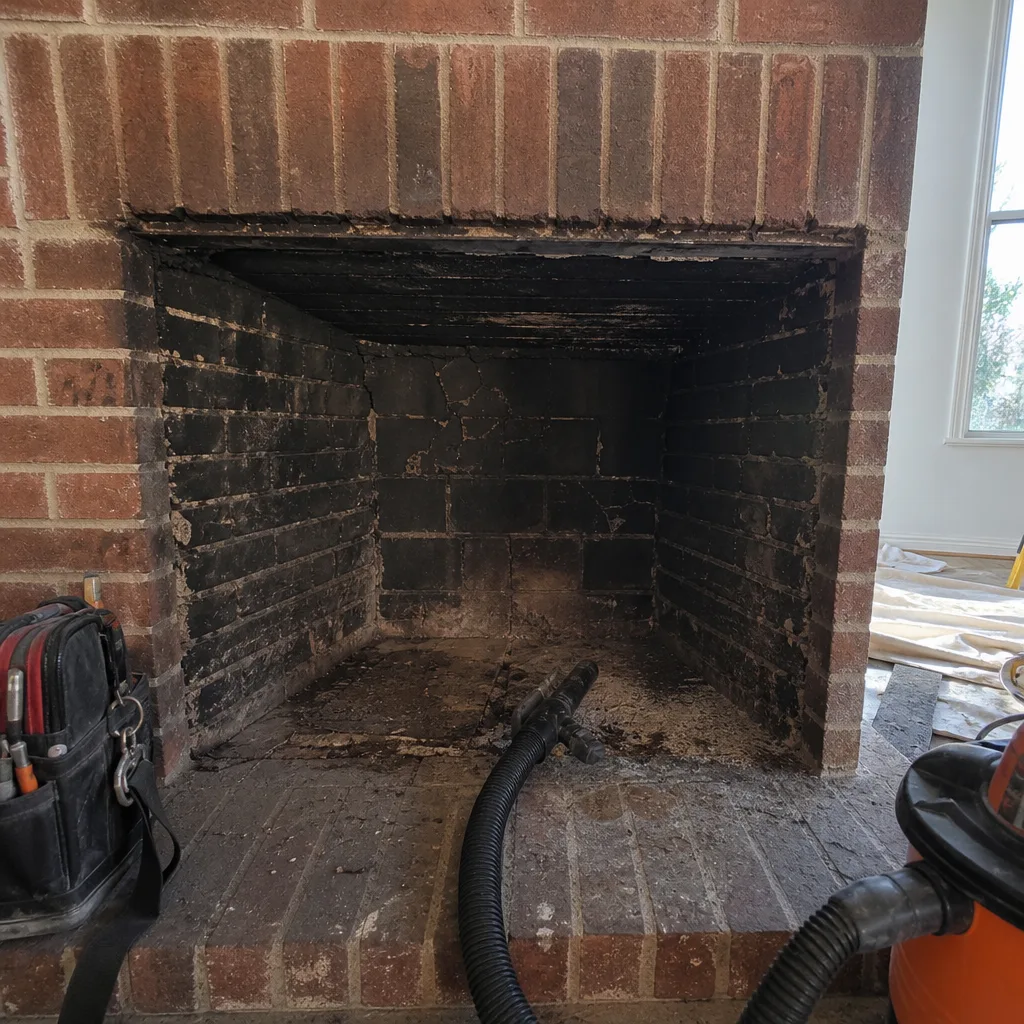 Before
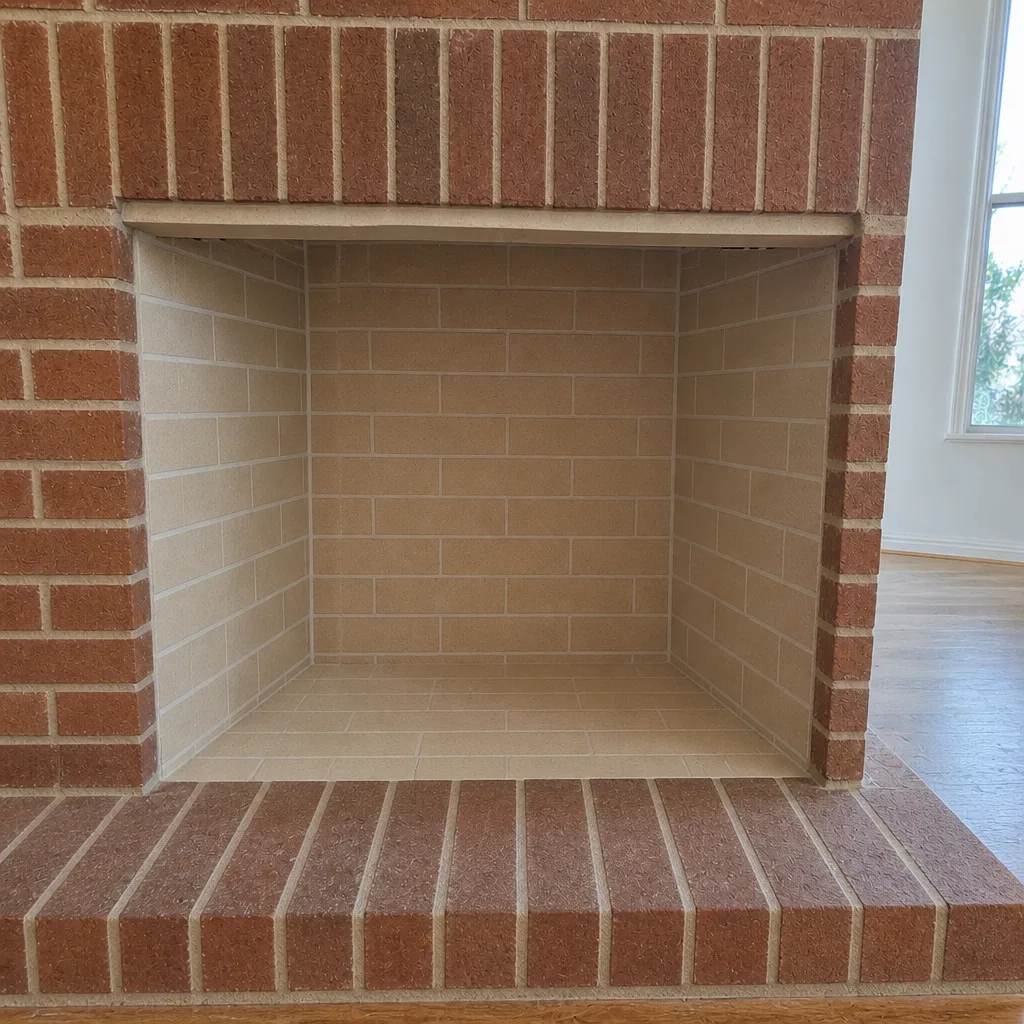 After
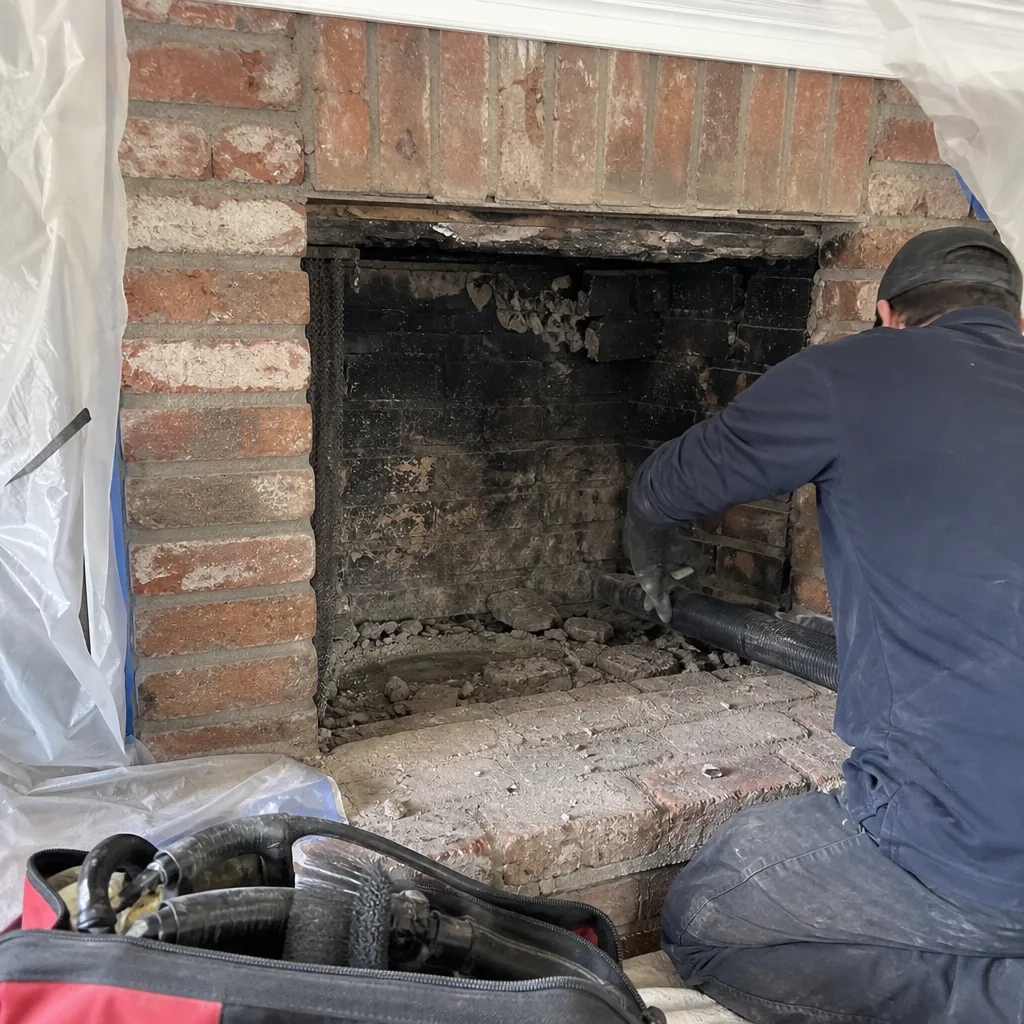 Before
 After
 Before
 After
When to Call a Professional
Call us right away if you’ve had a suspected chimney fire, a CO detector alarm you can’t otherwise explain, smoke backing into the room, or a sudden draft problem. All of those are signs the flue is compromised or blocked, and none of them can be diagnosed safely from the living room. Call us before the heating season if you haven’t had the chimney swept and inspected in a while, if the cap looks damaged, or if you’ve never had the flue checked since moving into a Portola Springs home. Call us before you buy or sell if you need an honest inspection report on a property. Chimney Sweep Portola Springs provides sweeping, inspection, repair, cap and crown work, and fireplace work as one continuous job on the whole system. Our estimates are free, the price is set per job by the written estimate, and we can work with your insurer on fire-damage repairs. Call (855) 337-1632. We answer 24/7. Fast dispatch from 7am to 7pm, Sunday through Friday.
Frequently Asked Questions
You may not know with certainty unless a professional inspects the flue. Fast-burn fires announce themselves with a roar, popping, or a glowing stovepipe. Slow-burn fires often leave only subtle clues: a persistent burning smell, a warped damper, or a CO alarm. The definitive answer comes from a Level 2 inspection with a camera. Call (855) 337-1632 for an exact quote on an inspection. Estimates are free.
No. The flue cannot be used again until a Level 2 inspection confirms it’s intact. A fire can crack tiles, warp components, and leave creosote that will burn again. Relighting before the inspection risks a second fire or a carbon monoxide spill into your home. Call (855) 337-1632 to book the inspection. Estimates are free.
Yes, if the flue is compromised. Gas inserts still vent combustion gases up the chimney, and a blocked flue, a disconnected liner, or negative pressure in a sealed Portola Springs home can pull exhaust back into the room. A working CO detector plus an annual flue inspection is the preparation that prevents it. Call (855) 337-1632 for an exact quote on a chimney inspection. Estimates are free.
Most homes benefit from an annual sweep and inspection before the heating season. Homes that burn heavily, burn wet wood, or use the fireplace as a primary heat source should be checked more often. The right interval depends on what’s actually in the flue, which is why we inspect first. Call (855) 337-1632 for an exact quote on a sweep. Estimates are free.
An insurance adjuster will typically ask for a professional inspection report, plus photos and a written estimate. A certified report with interior photos is often what gets a claim approved rather than stalled. We provide both, and we can work with your insurer. Call (855) 337-1632 for an inspection. Estimates are free.
Open a window to relieve pressure, put out the fire if you can do so safely, and get the flue checked before you light another fire. Smoke coming back into the room usually means a blockage or a pressure problem, and neither resolves on its own. Schedule a sweep and inspection before your next fire. Call (855) 337-1632 for an exact quote. Estimates are free.
The Bottom Line
Chimney emergencies in Portola Springs are survivable and mostly preventable, but only if the preparation happens before the event. The rules are straightforward: close the air supply, evacuate, and call 911 during a fire. Skip the water. Get a Level 2 inspection after any suspected fire or CO event, and don’t relight until the report is in your hands. Then take the pre-season steps that stop the emergency from happening at all, starting with an annual sweep and inspection, a working CO detector, and a properly sized cap. We handle the whole system, from flue to cap and crown, with professional-grade components. Call (855) 337-1632 for a free estimate. We answer 24/7. Fast dispatch from 7am to 7pm, Sunday through Friday. You can also explore our Chimney Sweep Portola Springs services and our fireplace repair work to see the full scope.
Written by the team at Chimney Sweep Portola Springs.