
Last updated November 25, 2026
 Sweep & inspection
 Caps & crowns
 Flue relining
 Masonry repair
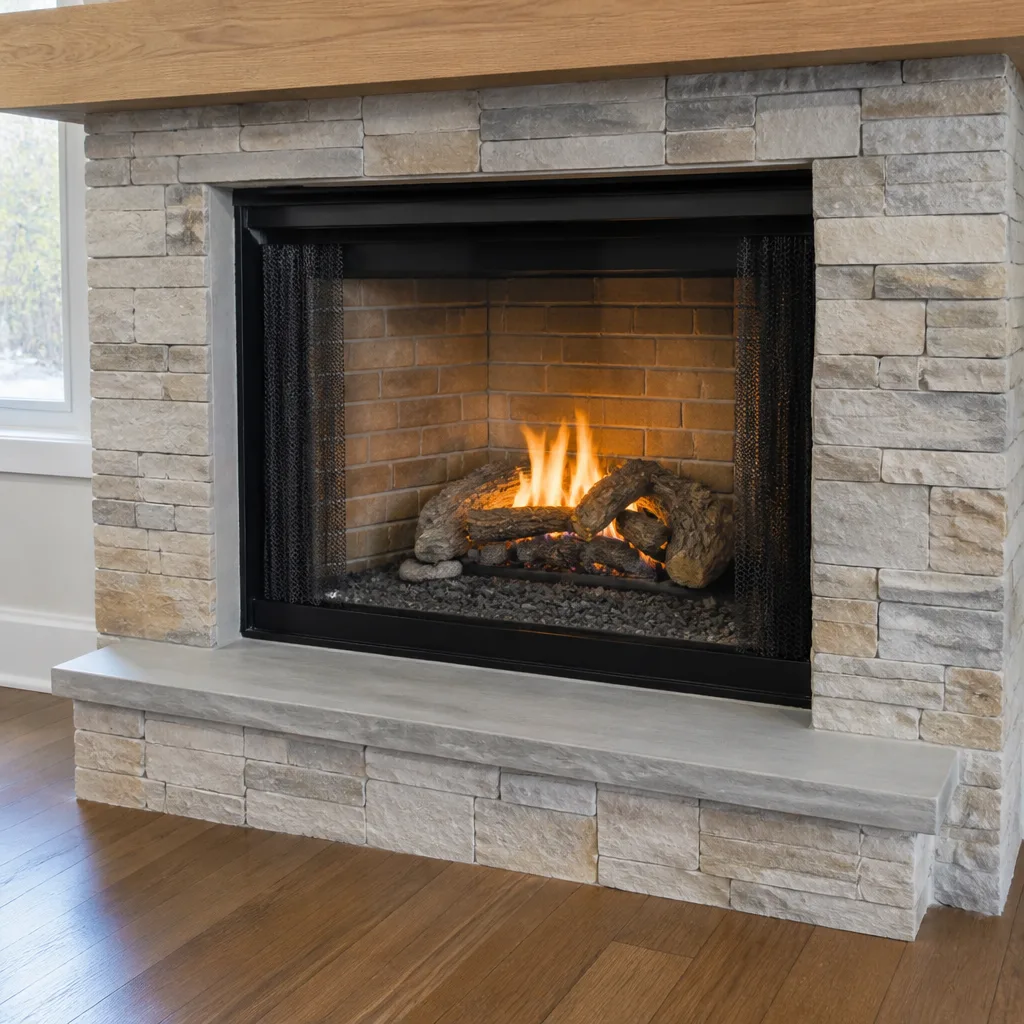 Gas fireplace service
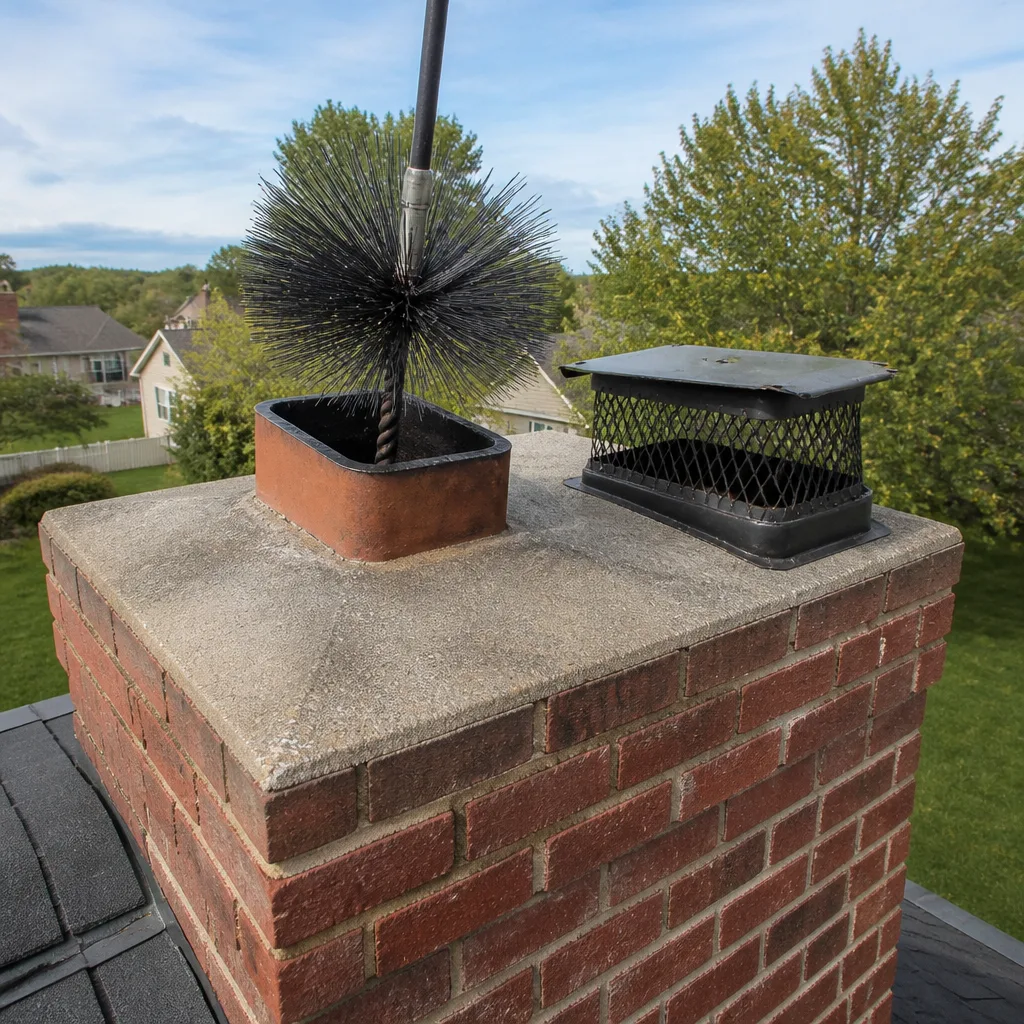
Level 1 sweep and inspection to the NFPA 211 annual standard - flue, crown, cap, and flashing checked and photographed
Chimney sweep logs do not sweep chimneys. They loosen some creosote - which then falls where a brush and vacuum still have to collect it.
Chimney Sweep Maintenance Checklist for Portola Springs Homeowners
Most homeowners judge their chimney by what they can see from the living room: a clean firebox, a tidy hearth, maybe a faint smell that fades after the first burn. That’s the wrong instrument. The components that fail first are the ones you never look at, and the damper is the worst offender of all. In Portola Springs homes with gas log inserts, a seized or corroded damper can back-draft carbon monoxide into the living space with no visible sign at all. This guide walks the whole system component by component, ties each part to the failure mode it develops, and separates the checks you calendar from the ones you trigger on condition. Bring the checklist, not a guess.
Styles & brands we work with
- Sweep & inspection
- Caps & crowns
- Flue relining
- Masonry repair
- Gas fireplace service
Quick Answer
A chimney maintenance checklist for Portola Springs homeowners should cover seven components in order: firebox, smoke shelf, damper, flue liner, crown, cap, and chase cover. Calendar-fix the annual sweep and inspection, then trigger additional checks on condition: after a large storm, after any audible creosote buildup, and before the first fire of the season. Gas inserts need a separate inspection protocol from wood-burning fireplaces.
Table of Contents
- Why a Checklist Beats a Visual Once-Over
- Firebox and Smoke Shelf: The First Two Components
- Damper Integrity and the Newspaper Draft Test
- Flue Liner: The Component That Determines Everything Else
- Crown, Cap, and Chase Cover: The Exterior Trio
- Gas Fireplace Inserts Need a Separate Protocol
- Calendar-Fixed vs. Condition-Triggered Intervals
- Common Mistakes to Avoid
- When to Call a Professional
- Frequently Asked Questions
Why a Checklist Beats a Visual Once-Over
A visual once-over tells you whether the chimney looks dirty. A checklist tells you what’s about to fail. That distinction matters because the two most expensive chimney problems in any home – a cracked crown and a compromised liner – both start as invisible conditions. By the time either is obvious from the ground, you’re usually past the point where a small repair would have closed the gap.
Think of the chimney as a stack of dependencies. The firebox contains the fire. The smoke shelf redirects downdrafts. The damper seals the flue when the fireplace is idle. The liner carries combustion gases up and out. The crown sheds water off the top of the masonry. The cap keeps rain, birds, and debris out of the flue. The chase cover protects the top of a prefabricated chimney. Each component protects the one above it, so the order you check them in isn’t arbitrary. Start at the firebox, work up.
In Portola Springs, the local condition that drives most chimney wear is dry seasonal heat followed by the first cool-weather burns of fall. Masonry expands and contracts through the warm months, then takes on the thermal load of a working fireplace as the season shifts. Small cracks that were dormant through summer open up when the firebox heats. A checklist catches them in September, not in December when the fire is already burning.
We’ve seen this pattern enough times to know it holds: the homes that avoid major chimney repairs are almost never the ones that skip sweeps. They’re the ones that read their own system once a year with a real framework in front of them.
Firebox and Smoke Shelf: The First Two Components
The firebox is where you’ll see the earliest signs of wear, and the smoke shelf just above and behind it is where you’ll find the earliest signs of trouble. Check both in the same pass.
What to look for in the firebox
- Hairline cracks in the firebrick. A few surface fissures are normal. Cracks wider than a coin edge, or any crack you can fit a fingernail into, mean the firebrick is losing its insulating function.
- Missing or crumbling mortar between bricks. Mortar joints in the firebox take more heat than any other masonry in the house. When they recede, the brick above them is unsupported.
- White chalky deposits on brick faces. Efflorescence is a sign of moisture moving through masonry, not a surface stain. Treat it as a starting point for investigation, not a cosmetic issue.
- Metal firebox panels with warping or rust-through. Prefabricated fireboxes have a finite service life. Warped panels are a replacement signal, not a repair signal.
- The firebox floor and ash dump. If there’s a cleanout door at the base, make sure it seals. A loose cleanout door is a hidden air leak that throws off draft.
The smoke shelf and smoke chamber
The smoke shelf is the flat ledge behind the damper that turns a downdraft back up into the flue. When it’s coated in creosote or soot, downdrafts get past it and smoke rolls into the room. When the smoke chamber walls above it are rough and uneven, turbulence builds and the fireplace smokes even when the flue is clean.
You can’t fully inspect the smoke chamber from the firebox with a flashlight. That’s a job for a technician with a camera. But you can check the smoke shelf for soot buildup and note whether the fireplace has ever smoked on a cold start. If the answer is yes, the smoke shelf and chamber need a closer look.
Checks on this component in our experience trend higher in older Portola Springs homes where original firebrick is still in place. Newer construction generally has less firebox wear but more damper and liner issues – and that’s where the checklist goes next.
Damper Integrity and the Newspaper Draft Test
The damper is the single most-neglected component in a residential chimney system, and in gas-insert homes it’s also the one with the highest safety stakes. A damper that sticks closed, corrodes against the frame, or no longer seats properly will leak combustion gases into the living space every time the fireplace runs. It’s the failure homeowners can’t see and rarely think to check.
Two conditions kill dampers faster than anything else: rust from condensation in an idle flue, and warping from a fire run with the damper partly open. Both show up first as sluggish movement and eventually as a visible gap when closed.
The newspaper draft test
Here’s how to verify the damper still does its job before the first fire of the season. This is a non-combustible test – no fire, no flame, no heat:
- Make sure the firebox is cold and the ash has been cleared for at least a day.
- Open the damper fully. Verify it moves freely from the handle with one hand.
- Roll two or three sheets of newspaper into loose tubes and place them at the front of the firebox, near the opening.
- Light the paper and watch the smoke.
- Smoke that pulls up the flue within a few seconds tells you draft is intact and the damper is opening cleanly. Smoke that pools in the firebox, rolls forward, or drifts into the room tells you the damper is stuck partially closed, blocked by debris, or the flue is restricted.
Do the test again with the damper closed. Smoke from a lit match held near the slots should not enter the firebox. If it does, the damper is passing air when it shouldn’t and needs repair or replacement.
What kind of damper you’re looking at
Throat dampers, top-sealing dampers, and rotary dampers all fail differently. A rusted throat damper blade can usually be lubricated or re-seated; a warped frame often means replacement. Top-sealing dampers, which sit at the top of the flue rather than at the firebox, seize silently because you can’t see them from the hearth – the cable still pulls, but the seal doesn’t close.
We use Olympia Chimney components on damper repairs because the frames and blades are machined to mate cleanly, which means the seal holds after installation rather than a season later. If a damper replacement is in your future, it’s worth asking for the specific part and brand before work starts, not after.
Flue Liner: The Component That Determines Everything Else
The liner is the innermost wall of the flue. It carries heated combustion gases up and away from your living space, and everything below it – firebox, damper, smoke chamber – assumes it’s intact. When the liner is compromised, the safety margin of the whole system is compromised with it.
How to assess liner condition on a checklist
You can’t verify a liner from the hearth with a flashlight. The assessment requires a technician, ideally with a camera inspection. What you can do on your own checklist is note the leading indicators:
- Type and age of the current liner. Clay tile liners have a finite service life and are prone to joint cracks. Metal liners can fail at seams. Note which you have.
- Visible signs of white, chalking material inside the top of the flue. That’s a sign the flue liner is degrading and shedding.
- Smoke spills on cold starts. A drafty, smoky fireplace often points to a liner with gaps or a flue that’s undersized for the firebox.
- Any previous repair history. A liner repaired twice is a liner that isn’t holding. Ask whether a camera has been run recently.
- Creosote accumulation. Glazed, tar-like creosote at the top of the flue is a fire hazard and a sign the liner surface is no longer shedding condensation.
Why “do I really need a new liner?” is the right question to ask
Because the answer isn’t always yes. HeatShield is a professional-grade chimney resurfacing system that restores a deteriorating liner by applying a ceramic-based coating to the flue interior, and we use it because it can extend flue life without the cost of full rebuild. It won’t fix everything – a liner that’s cracked through to the surrounding masonry is past the point where resurfacing will hold. But for the middle case, the liner with surface deterioration, joint gaps, and thinning walls, HeatShield can close the gap for a fraction of the demolition cost.
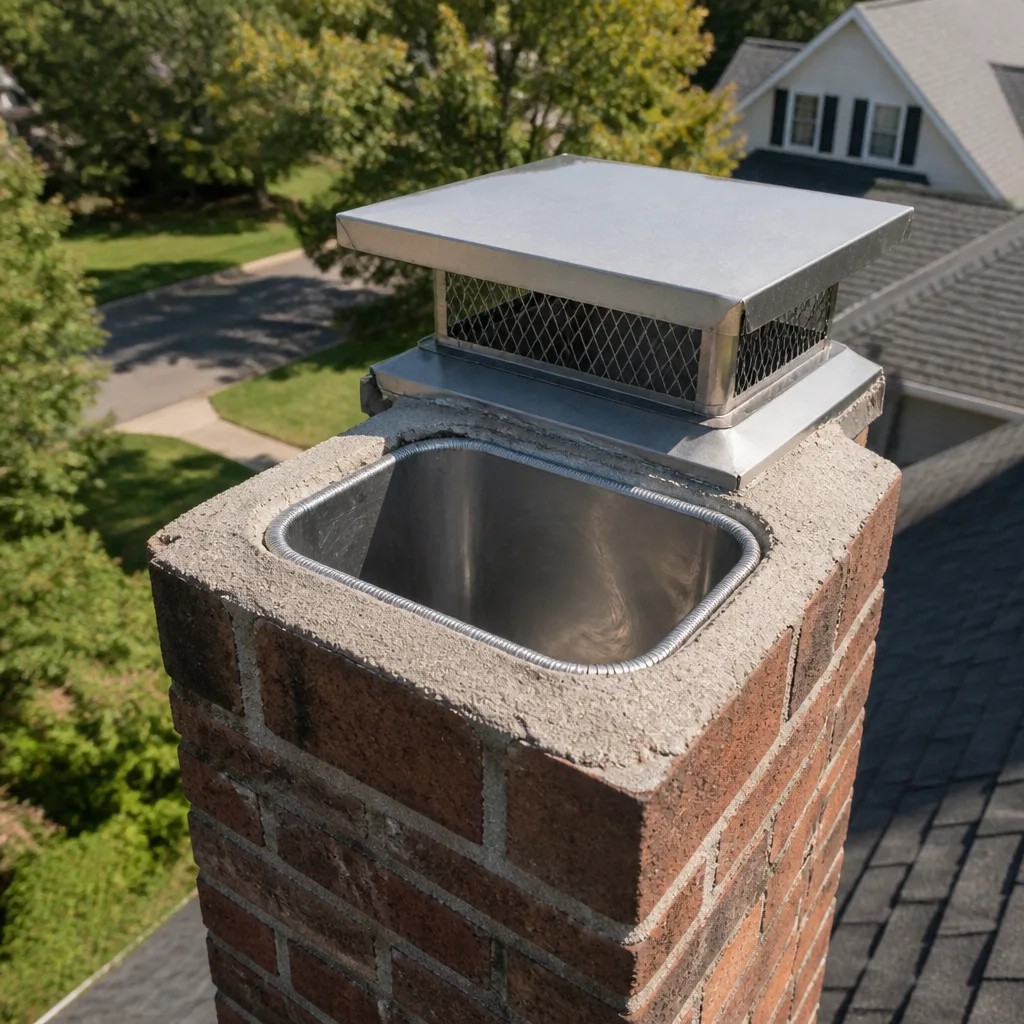
When a full reline is the right call, DuraFlex flexible liner systems are the professional standard. They flex around the offsets and elbows common in masonry chimneys, and the result is a continuous stainless flue with no joints to fail.
Our view on the decision: ask for a camera inspection and a photo report before committing to anything. The photos will show you what the technician sees. If the liner is intact and simply dirty, you’ll know. If a repair is what’s needed, you’ll see the condition and can judge the scope from there.
Crown, Cap, and Chase Cover: The Exterior Trio
The bottom two-thirds of the chimney is protected by the roof. The top third is exposed to sunlight, seasonal rain, and dry heat every day of the year. That means the crown, cap, and chase cover age together – and they fail in a coordinated way if the weakest one gives first.
Crown
The crown is the concrete or masonry slab on top of the chimney that sheds water away from the top of the flue. When it cracks, water enters the masonry from above, freezes and expands in cooler months, and eventually cracks the chimney walls outward. Signs to check:
- Cracks wider than a pencil line.
- Separation where the crown meets the flue tile.
- Missing chunks at the crown’s perimeter edge.
- Ponding water on the crown surface after rain.
Crown damage in Portola Springs tends to show up first at the south and west faces, where solar gain through summer is highest. That’s a normal wear pattern for the local climate, not an installation defect.
Chimney cap
The cap covers the flue opening. It keeps rain, birds, squirrels, and debris out while allowing gases to exit. A damaged cap lets water in from the top, and after enough seasons, water entering at the cap will find its way into the liner and the firebox. A missing cap is a whole-system problem waiting to happen.
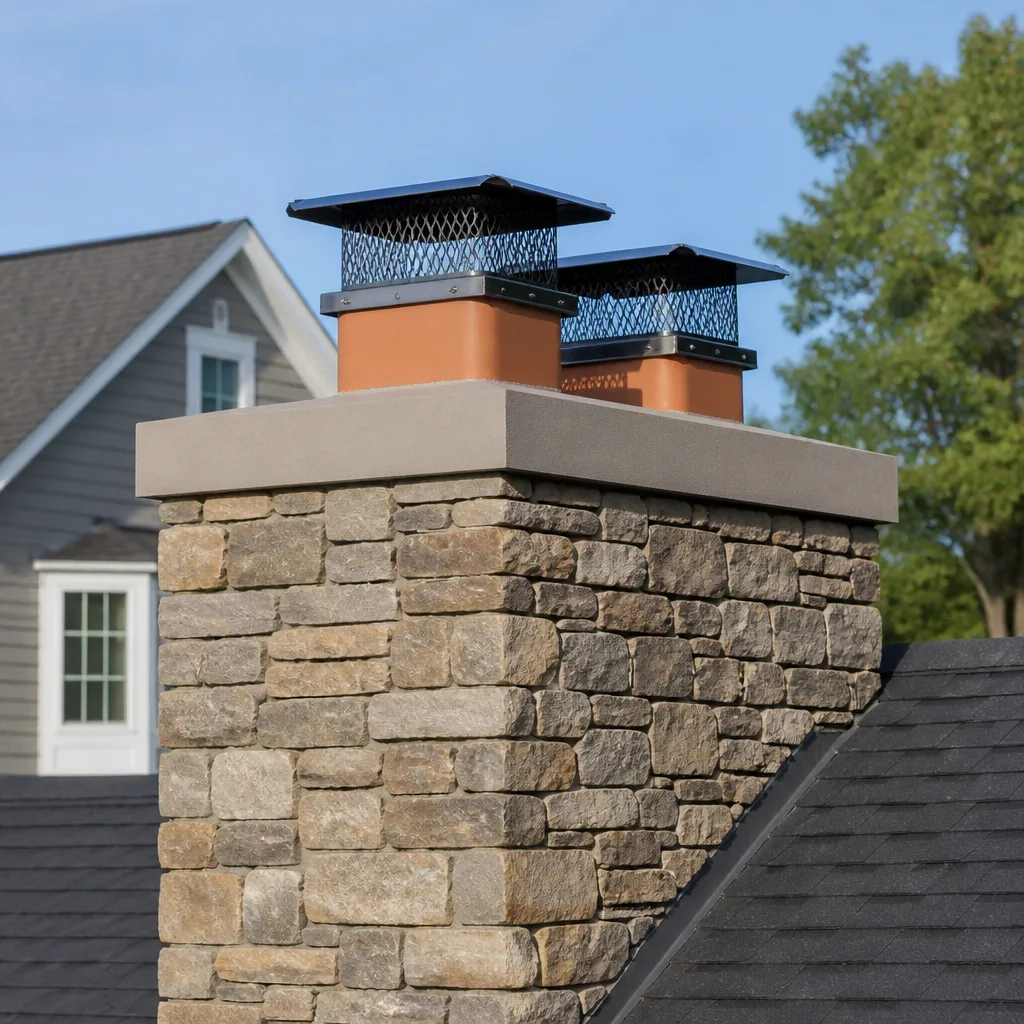
We install Famco and Gelco chimney caps because they’re spec’d for the flue size they serve, not grabbed off a shelf. A cap sized wrong is nearly as bad as no cap – it restricts draft or leaves a gap at the edge. When replacing a cap, ask which brand and which size, and why.
Chase cover
For prefabricated chimneys, the chase cover – the metal box that caps the outdoor chase – takes the role the masonry crown plays on a traditional chimney. Rust-through, seam separation, and loose fasteners are the conditions to check. A rusted chase cover that leaks means water is running into the chase, where it will eventually reach the firebox assembly.
Spalling mortar vs. surface staining
This distinction matters more than any other in exterior chimney assessment, and it’s where a lot of unnecessary masonry work gets sold. Spalling mortar joints have lost their structural integrity: you can push a key or a screwdriver into the joint by hand, or the mortar crumbles between your fingers when you touch it. That’s a repair-urgency signal, and it gets worse with every wet-dry cycle. Surface staining – color patterns, dark streaks, white deposits sitting on top of intact mortar – is a cosmetic condition. Staining alone isn’t a reason to rebuild a joint line. It’s a reason to investigate where the moisture is coming from.
If a quote for mortar repointing arrives without a photo of spalling joints you can see for yourself, ask for one before you sign. The photographs should show the joint condition, not just the area.
Gas Fireplace Inserts Need a Separate Protocol
A gas insert is a different appliance inside a chimney system, and treating its inspection as “part of the sweep” misses the components that fail first. Wood-burning chimney sweeps focus on creosote, soot, and draft. A gas insert inspection focuses on the burner, the glass, the venting, and the damper function underneath the insert.
What that protocol should cover:
- The damper. Gas inserts typically run with the damper partially open to vent combustion gases. A seized or rusted damper that no longer opens to the correct position will back-draft carbon monoxide.
- The venting path. Direct-vent and B-vent systems have their own failure modes – disconnected joints, blocked terminations, and insect nests in the intake side. A wood-chimney sweep won’t inspect those.
- The burner and ignition. Burner ports clog with dust and lint over time. Ignition problems are usually the first sign something’s off.
- The glass and gasket seal. Cracked glass, degraded gaskets, and warped frames compromise the sealed burn.
- Carbon monoxide detector placement. A working CO detector in the room with the gas fireplace is the safety backstop every insert protocol should confirm.
Portola Springs homes with gas inserts should be inspected with this protocol in mind from day one, because the components that fail first aren’t the ones a wood-chimney sweep looks at. If you’re not sure whether your fireplace is a gas insert, a gas log set in a wood firebox, or something else, that identification is the first thing to establish. We offer standalone inspections specifically so this diagnostic can happen on its own, without a sweep attached to it.
Calendar-Fixed vs. Condition-Triggered Intervals
The biggest failure of homeowner chimney maintenance is treating every check as either “annual” or “wait until something’s wrong.” The reality is a mix. Here’s how we split it:
Calendar-fixed checks
- Annual sweep and inspection, once a year, before the season’s first fire. Full sweep for wood-burning; inspection for gas inserts.
- Pre-season damper test – the newspaper draft test – before the first fire of the season.
- Pre-season crown and cap visual from the ground once each fall; the technician’s roof-level inspection during the annual visit covers the rest.
- Exterior masonry check once a year, usually with the annual visit.
Condition-triggered checks
- After a large storm or wind event. Look for missing cap parts, crown cracks that have widened, or chase cover fasteners that have loosened.
- After any burn that produced unusual smoke or smell. That’s a signal the draft has changed, which usually points to a damper or liner condition.
- When you notice glazed creosote forming. Glazed creosote is a fire hazard and the flue needs professional attention faster than the annual calendar.
- When white chalking appears at the top of the flue. That’s a signal the liner is degrading and needs assessment.
- When you see staining on the firebox or ceiling near the chase. Water is getting in from above and needs to be traced before the next season of use.
The other interval worth knowing: our technicians have up to 10 years of experience, and in that time the realistic pattern is that wood-burning fireplaces need a sweep every 40 to 50 fires, and gas inserts need an annual inspection regardless of use frequency. The calendar and the condition need to work together, not in competition.
Common Mistakes to Avoid
- Skipping the damper test because the fireplace “works fine.” A damper with a corroded frame can pass combustion gases without any visible sign at the hearth. The newspaper draft test takes five minutes and is the single most useful pre-season check a homeowner can run.
- Treating surface staining as structural spalling. Cosmetic staining on intact mortar doesn’t warrant a rebuild; spalling joints that crumble under light pressure do. Calling one the other leads either to unnecessary masonry work or to a repair that’s overdue being ignored.
- Assuming a gas insert is covered by the wood-fireplace sweep. It isn’t. The damper, venting, burner, and gasket seal require a separate protocol; skip it and an unknown condition sits in the system through the whole season.
- Buying an off-the-shelf cap. A cap sized wrong for the flue restricts draft or leaves gaps. Famco and Gelco caps are spec’d to the actual flue dimensions; a universal-fit cap from a home center isn’t.
- Repointing mortar without addressing water entry. If the crown is cracked or the cap is missing, moisture will keep reaching the masonry no matter how many joints are repointed. Fix the source before the symptom.
- Using a generalist handyman for liner work. Liner restoration and relining are specialist work. HeatShield and DuraFlex applications require training and the right materials, and neither is a substitute an installer can improvise.
- Waiting for winter to schedule the annual sweep. Fall is the busiest season for chimney work. Booking before the first cool-weather weeks of the season gets the visit done without a scramble.
When to Call a Professional
Some of this checklist is designed for a homeowner to run in ten minutes; some of it is genuinely unsafe to do yourself. Anything that requires climbing onto the roof, opening the flue from the top, or working near the firebox while gas or combustion is possible is a professional call. So is any indication of glazed creosote, damaged liner tile, gas-insert back-draft, or spalling masonry joints.
The diagnostic value of a professional inspection is the camera. A technician can run a camera into the flue and show you what the liner actually looks like, with photographs you keep. That matters if you’ve ever been told a chimney needs thousands of dollars of work. We recommend a camera inspection and photo report as a standalone step before committing to any repair – so you can see the condition yourself and judge the scope. If the repair can wait a season, we’ll say so. If it can’t, the photos tell you why.
We handle both the sweep and the full repair side in one visit: Chimney Sweep Portola Springs is the front door for the routine service, and the same team handles chimney cap & crown work, fireplace repair, and liner restoration when the checklist calls for it. Our technicians have up to 10 years of experience on residential systems, and we work with Copperfield and Olympia Chimney components so the parts you get are made to chimney industry specifications, not general building supply.
Chimney Sweep Portola Springs offers free estimates in Portola Springs – call (855) 337-1632. We answer 24/7. Fast dispatch from 7am to 7pm, Sunday through Friday.
Frequently Asked Questions
Once a year for wood-burning fireplaces, and annually for gas inserts as a condition inspection even if there’s no creosote buildup. Portola Springs homes that burn regularly through fall and winter typically hit the once-a-year mark; homes with occasional use can stretch to every 40 to 50 fires before the next sweep. The annual inspection is still worth scheduling regardless, because the checklist above covers safety issues that have nothing to do with how much the fireplace runs. Call (855) 337-1632 for an exact schedule – estimates are free.
It tells you whether the damper opens cleanly and the flue is pulling draft. If smoke from lit newspaper pulls up the flue within a few seconds, the damper and flue are working together. If smoke rolls into the room or pools in the firebox, the damper is stuck partially closed, the flue has a restriction, or the smoke shelf needs to be cleared. Run the test again with the damper closed and a lit match near the slots; smoke that enters the firebox confirms the damper isn’t sealing. It’s a five-minute test and the most useful pre-season check a homeowner can run. If anything looks off, call us for a full inspection.
Spalling mortar crumbles or pushes in under light hand pressure – a screwdriver or key will dent the joint. Surface staining sits on top of intact mortar without changing its structure. Spalling is a repair-urgency signal because the joint has lost load-bearing capacity; staining is a moisture trail that needs tracing but not a rebuild. If a quote arrives without a photo of the joint condition you can see, ask for one before signing. Call us if you’d like a second opinion on the difference – estimates are free.
Not always. A liner with surface deterioration, joint gaps, or thinning walls can often be restored with HeatShield resurfacing instead of a full reline, and that closes the condition at a fraction of the rebuild cost. A liner that’s cracked through to the surrounding masonry, or one that’s already been repaired twice, usually needs replacement – in those cases, a DuraFlex flexible liner is the standard. The right answer depends on what a camera shows, and we recommend a camera inspection and photo report as a first step so you can see the condition yourself before deciding. Call (855) 337-1632 for an exact quote.
Because the components that fail in a gas insert aren’t the ones a wood-burning sweep inspects. A sweep focuses on creosote, soot, and draft; a gas insert inspection focuses on the damper function underneath the insert, the burner, the ignition, the glass and gasket seal, and the venting path. The damper risk is especially important in Portola Springs homes with gas log inserts – a damper that no longer opens to the correct position can back-draft carbon monoxide without a visible sign at the hearth. Standalone inspections are available specifically so this check can happen without the sweep attached. Call us to book one.
Small conditions age and get more expensive. A cracked crown lets water into the masonry and produces spalling joints that wouldn’t have developed if the crown had been repaired. Glazed creosote in a flue is a fire hazard, and the buildup that produces it usually happens in a single season of regular use. A seized damper on a gas insert can back-draft combustion gases with no visible sign. None of these are dramatic in month one; all of them are urgent by month twenty-four. The annual check catches them when a small repair still closes the gap. Call (855) 337-1632 to schedule the annual visit – estimates are free.
The Bottom Line
The seven-component checklist – firebox, smoke shelf, damper, flue liner, crown, cap, chase cover – is the framework that turns “the chimney looks fine” into “I know the condition of every part of the system.” Calendar-fix the sweep and inspection, run the newspaper draft test before the first fire, and trigger additional checks on condition: after storms, after unusual smoke, and any time you see glazed creosote or white chalking at the flue top. In Portola Springs, the dry seasonal heat then first cool-weather burns pattern makes September and October the right window for the annual visit.
If you’d rather have the checklist run by a technician who will show you what they see, schedule a standalone inspection. You’ll get a camera inspection and photo report, and no repair will be recommended without evidence you can see for yourself. Call (855) 337-1632. We answer 24/7. Fast dispatch from 7am to 7pm, Sunday through Friday.
For routine service before the season starts, book a chimney sweep and we’ll walk the checklist with you.
Written by the team at Chimney Sweep Portola Springs.
See the difference
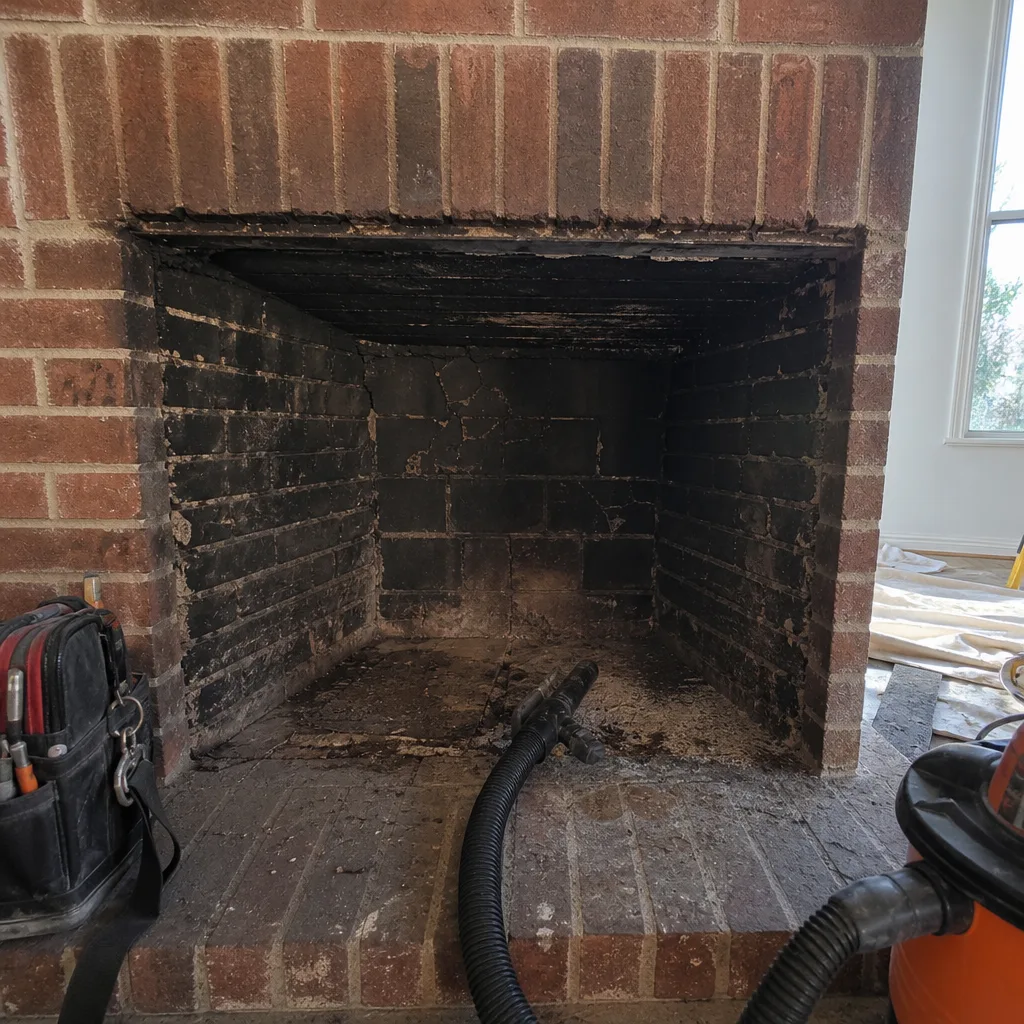 Before
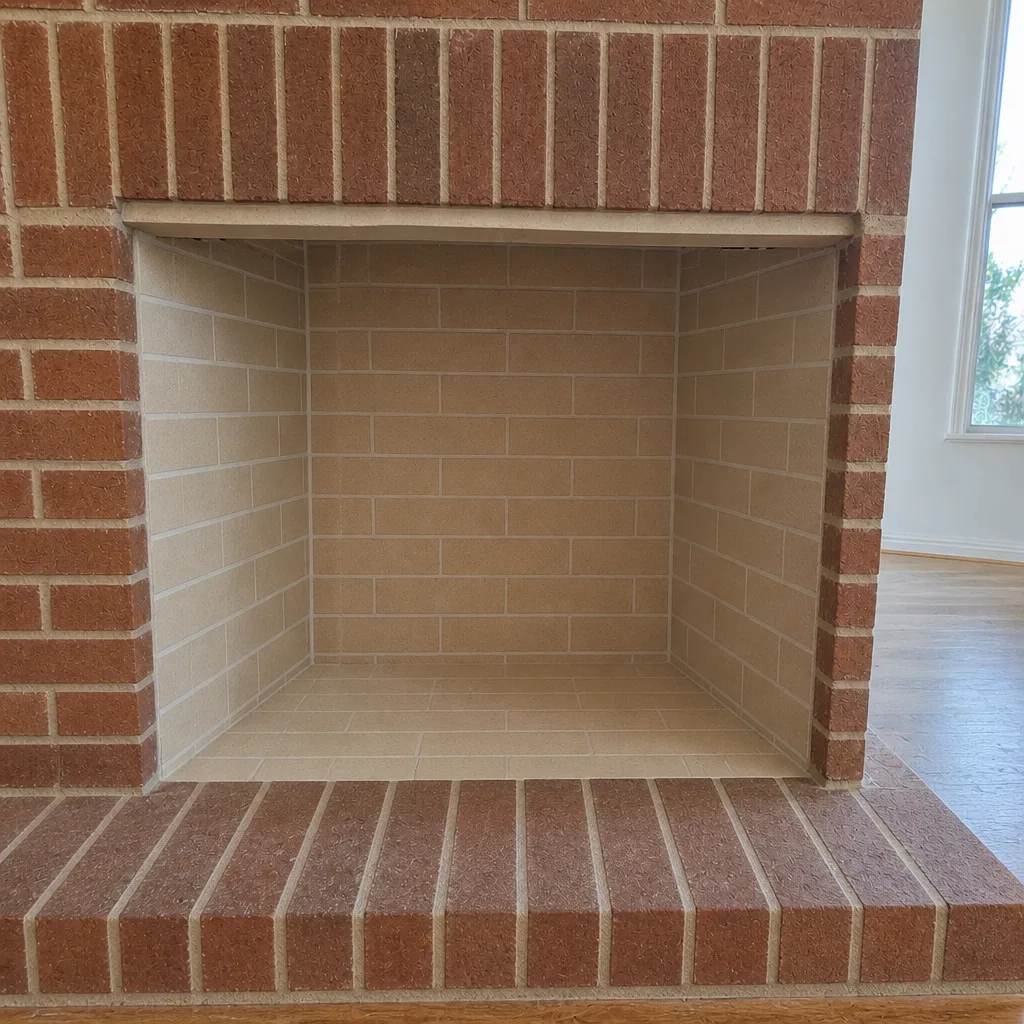 After
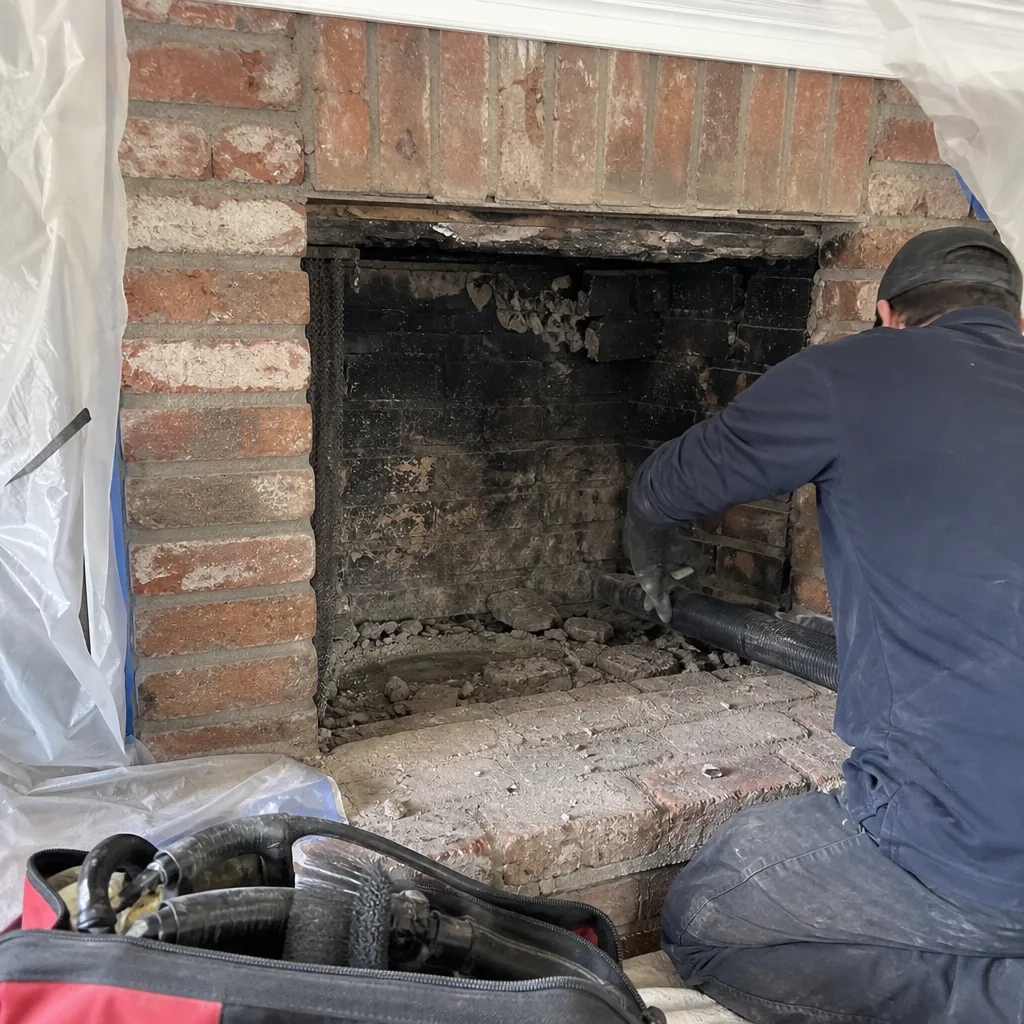 Before
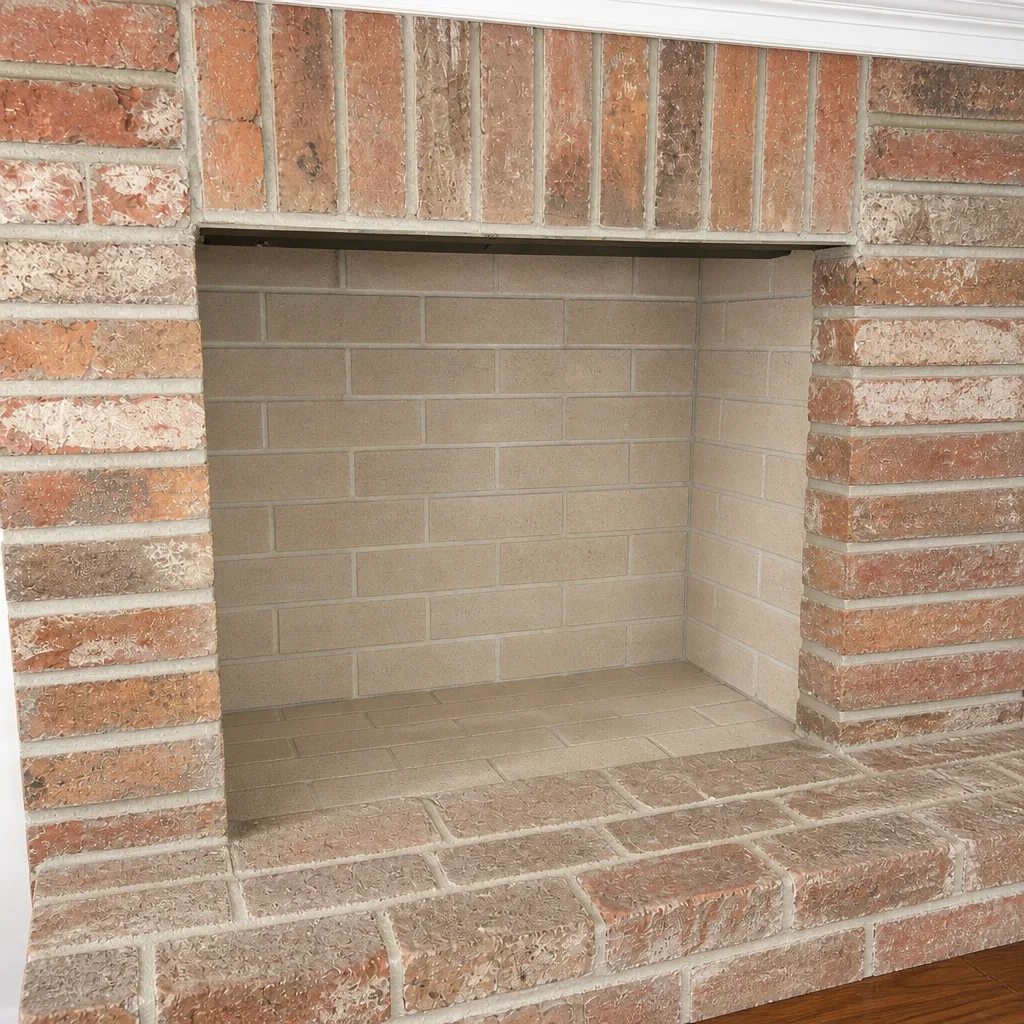 After
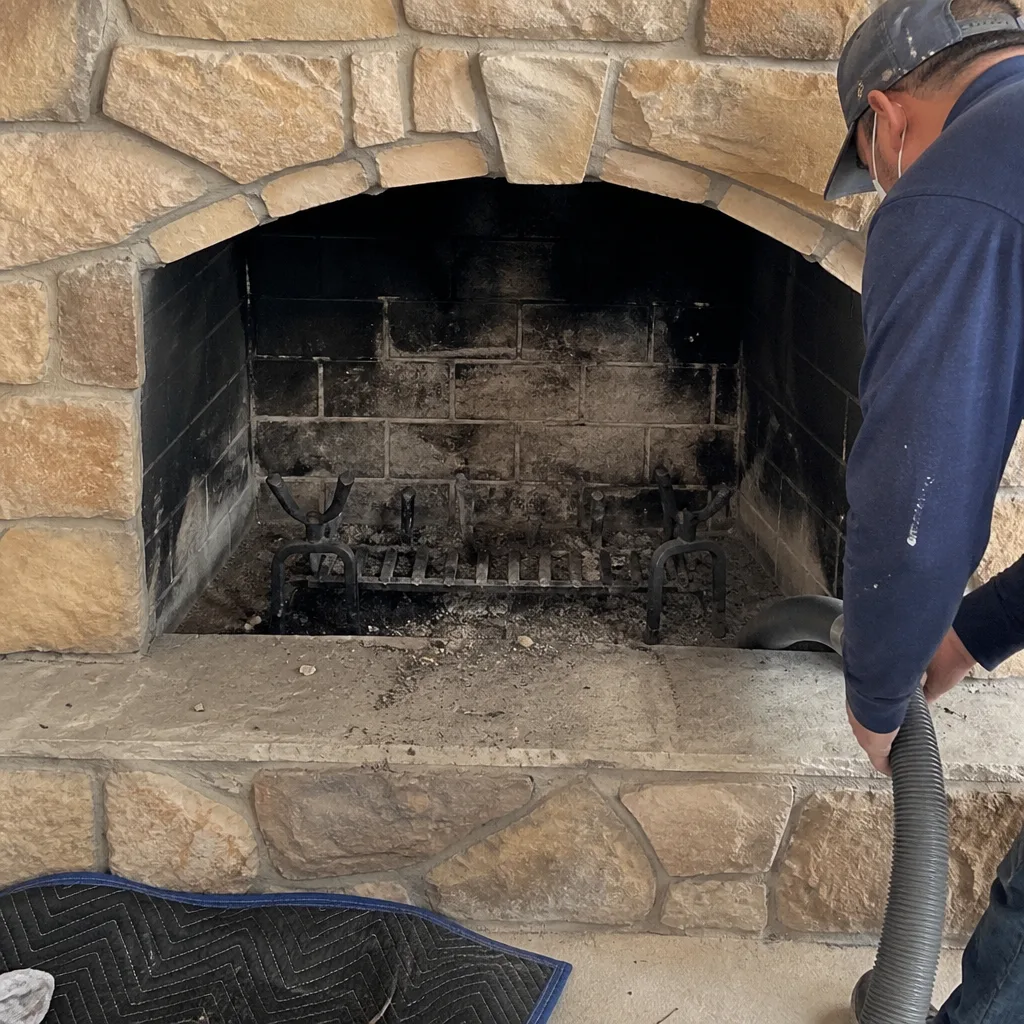 Before
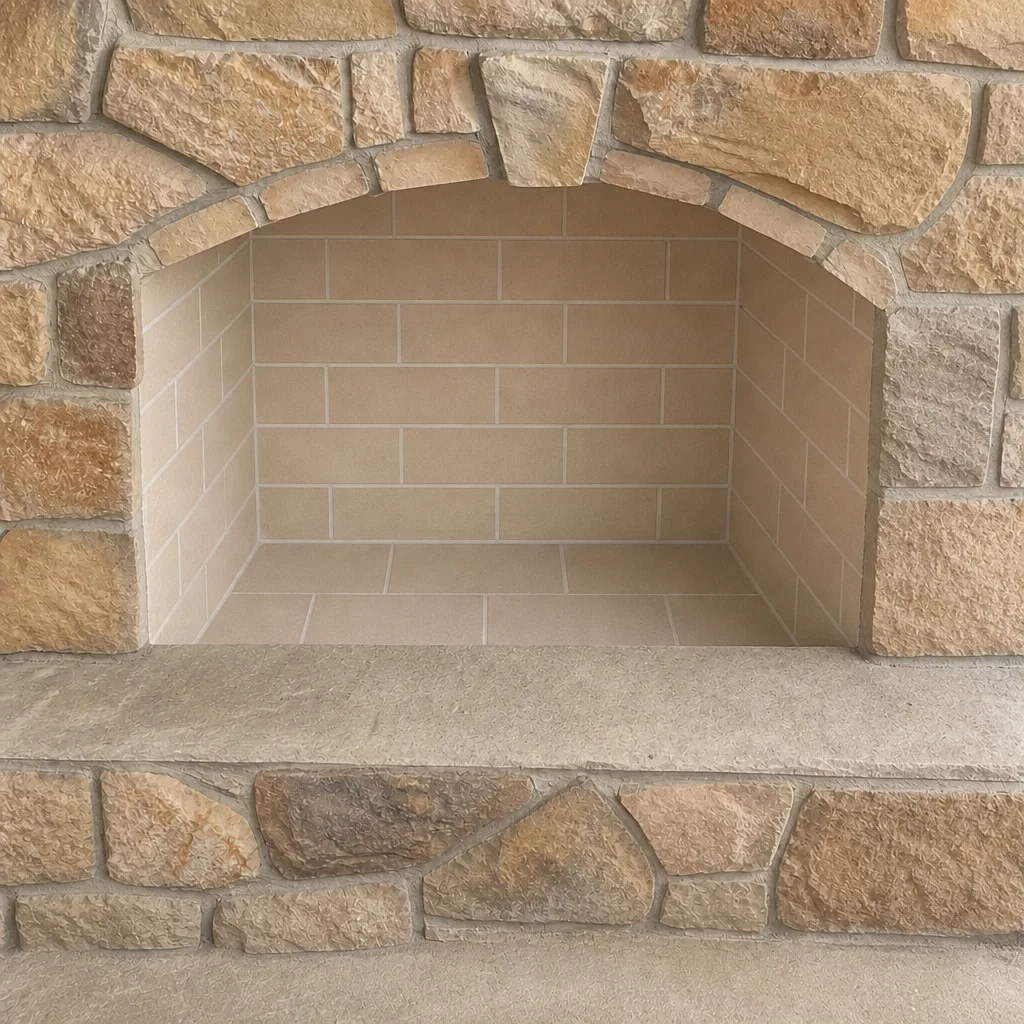 After