
Last updated November 25, 2026
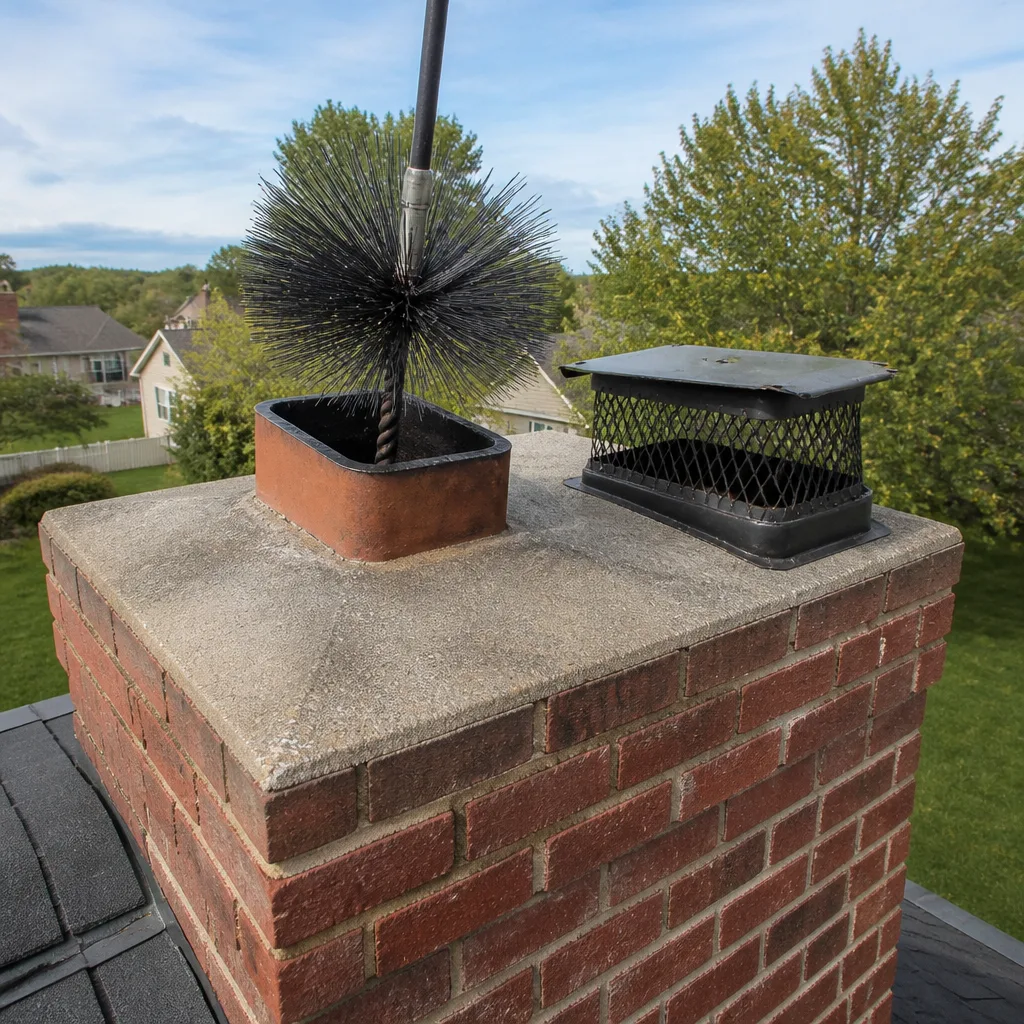 Sweep & inspection
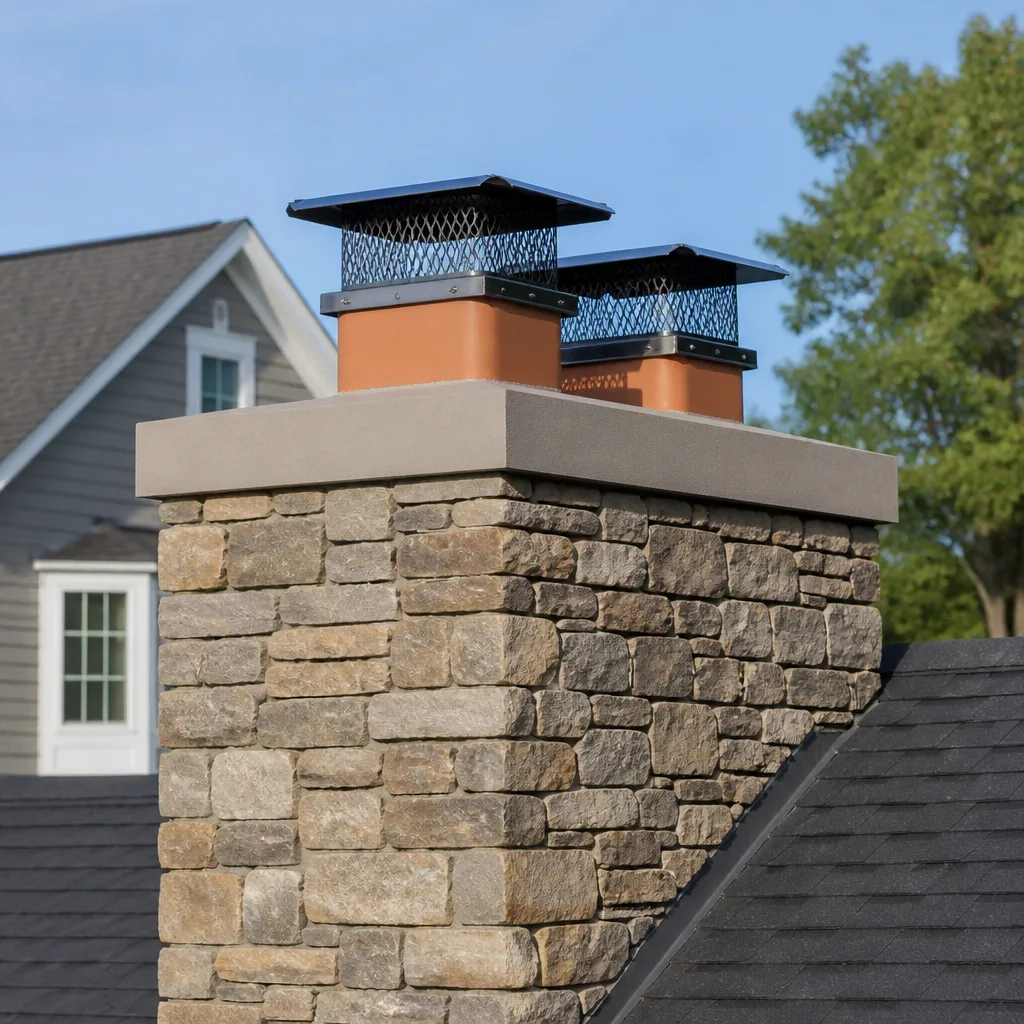 Caps & crowns
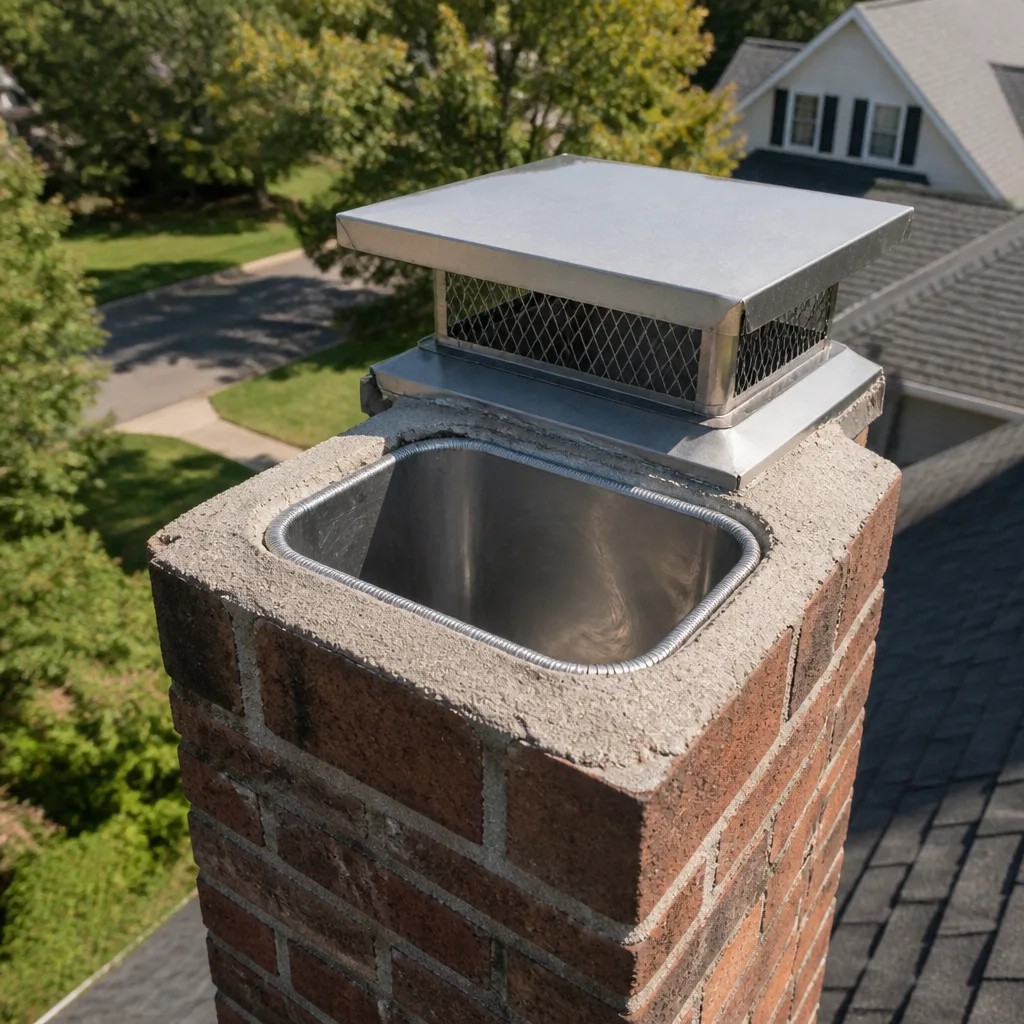 Flue relining
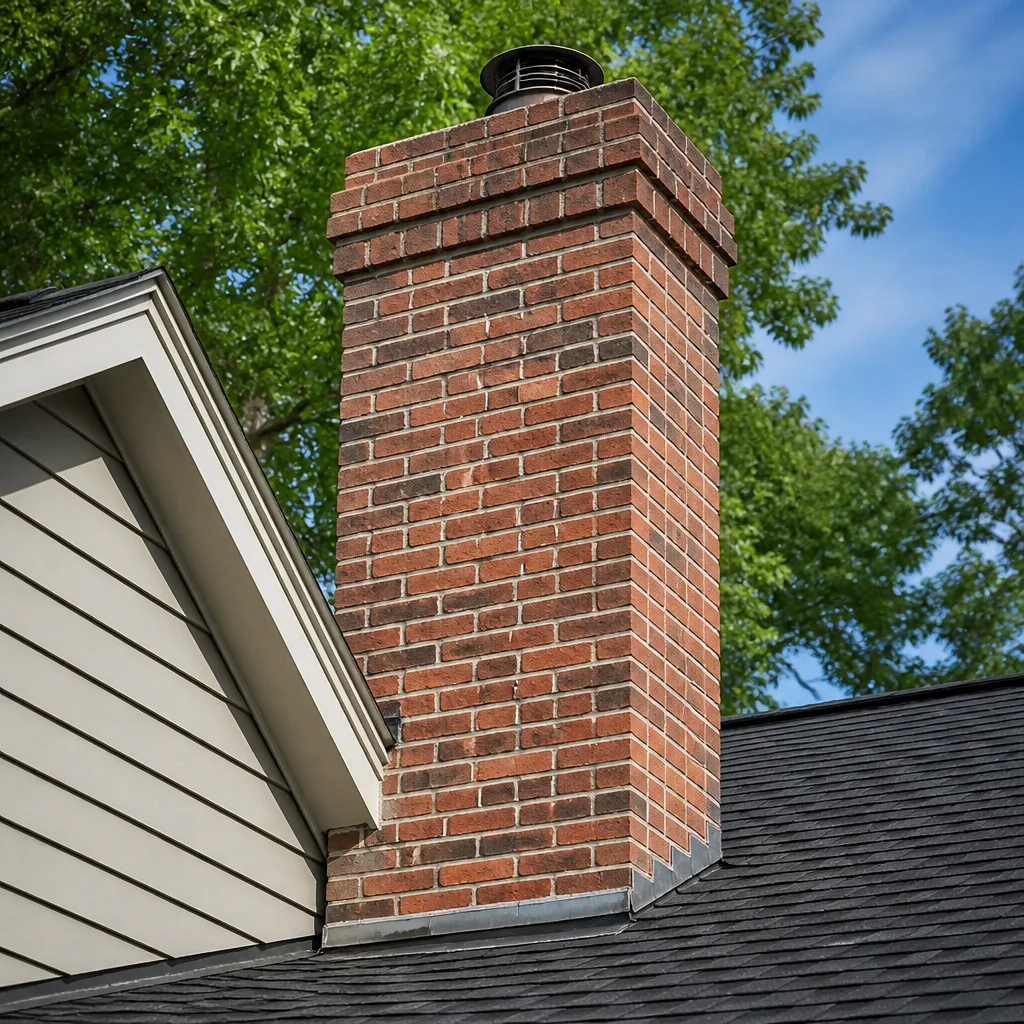 Masonry repair
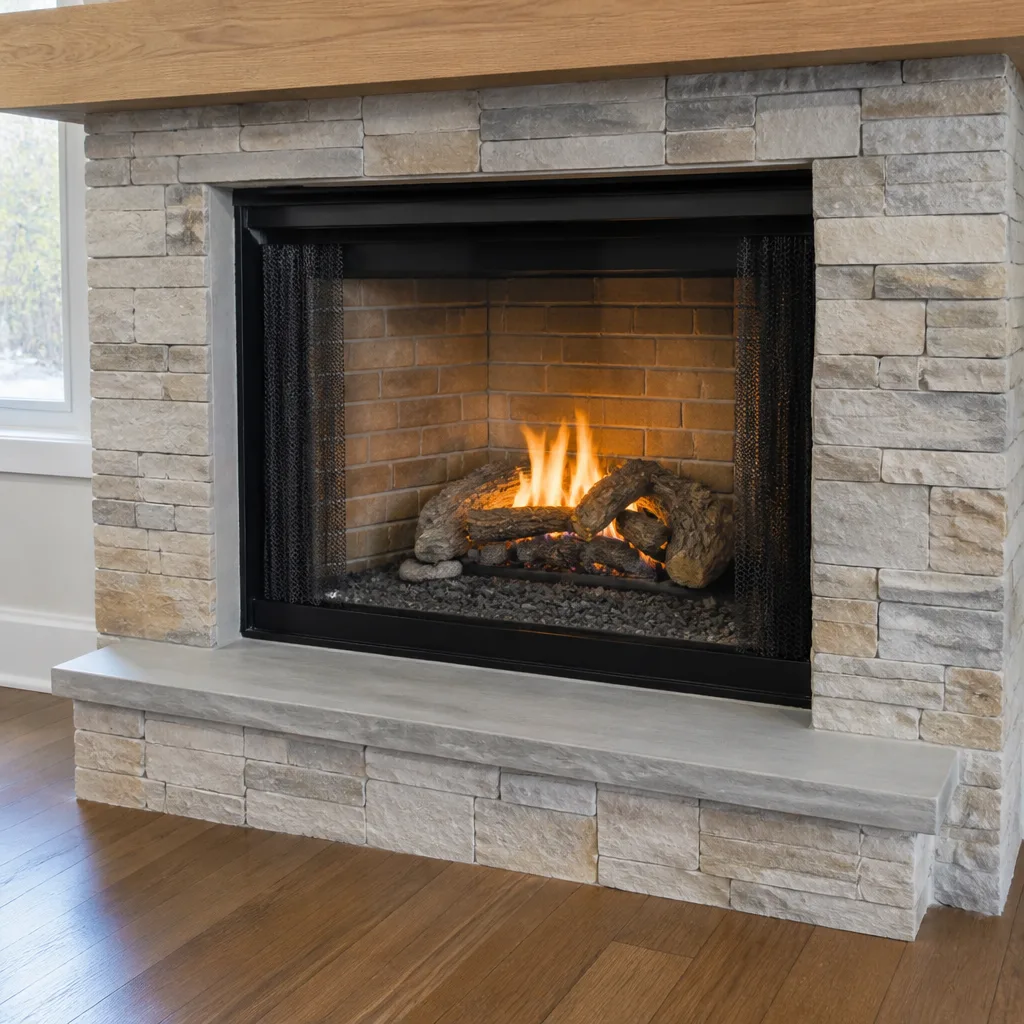 Gas fireplace service
Level 1 sweep and inspection to the NFPA 211 annual standard - flue, crown, cap, and flashing checked and photographed
Chimney sweep logs do not sweep chimneys. They loosen some creosote - which then falls where a brush and vacuum still have to collect it.
The Complete Guide to Chimney Cleaning in Portola Springs
Most homeowners think of chimney cleaning as one job: someone comes out, runs a brush up the flue, packs up and leaves. That framing is the source of most of the trouble we see. A sweep is the part you can see. The inspection that should travel with it is the part that tells you whether your flue is actually safe to use. In Portola Springs, where homes are tight, well-sealed and finished in stucco, the difference between those two ideas shows up quickly. This guide maps every layer of a real cleaning visit: the sweep, the vacuum, the debris capture, the inspection level, the documentation, and how to read all of it. By the end, you’ll know what a full-service visit should include and how to hold any contractor to that standard.
Quick Answer
A proper chimney cleaning in Portola Springs includes three stages that should never be separated: a brush sweep of the flue, a high-powered vacuum extraction running at the same time, and sealed debris capture at the firebox. That work should be paired with a Level 1 inspection and a written condition report, including photos, so you know what was found and what, if anything, needs doing. Cleaning without the inspection tells you nothing about the state of your liner, cap or crown.
Styles & brands we work with
- Sweep & inspection
- Caps & crowns
- Flue relining
- Masonry repair
- Gas fireplace service
Table of Contents
- Why chimney cleaning is a layered process, not a single task
- Portola Springs construction and how it changes creosote buildup
- The three-stage cleaning process explained
- What rotary cleaning systems reach that standard brushes don’t
- Level 1, Level 2 and Level 3 inspections: which one you need
- The paperwork you should receive after every sweep
- Why material choice matters: liners, caps and components
- How often does a Portola Springs chimney need cleaning?
Why chimney cleaning is a layered process, not a single task
A chimney sweep without a Level 1 inspection attached to it is like an oil change with no dipstick check. The oil is new, the engine runs, and nobody looked at the part that tells you whether the engine is healthy. On a chimney, the dangerous problems are the ones that only surface when someone actually looks: a hairline crack in a flue tile, a crown that’s separated from the masonry, a cap that’s been pushed loose by a bird, a liner with a section that’s cracked behind the smoke chamber.
That’s why we treat chimney cleaning in Portola Springs as three cooperating layers rather than one errand. Each layer depends on the one below it.
- Sweeping removes the creosote, soot and debris sitting on the flue walls and smoke shelf. Without it, nothing else can be evaluated accurately.
- Inspection evaluates what the sweep revealed. A clean flue shows cracks, gaps and joint failures that a soot-blackened surface hides.
- Assessment turns the inspection into a decision: this can wait, this should be scheduled, or this shouldn’t be burned in until it’s fixed.
If a contractor quotes you a sweep without inspection, or an inspection without a sweep, you’re getting half the visit. In our experience, that’s where most homeowners get talked into work they don’t need, or worse, walk away believing their chimney is fine when it isn’t.
Portola Springs construction and how it changes creosote buildup
Portola Springs is a newer community, and that matters for your chimney more than most people realize. Newer homes here are built tight: well-sealed envelopes, spray foam or high-density insulation, low-infiltration windows, and stucco exteriors over sheathing and framing. All of that is excellent for energy efficiency and poor for natural draft, because a fireplace needs one thing above all else to draft correctly: enough air to feed combustion and a pressure path to let exhaust leave the building.
When a home is this sealed, a fire competes with kitchen exhaust fans, bathroom fans, dryer venting and HVAC returns for the same air. The result is a fire that burns cooler than it should, produces more creosote, and leaves deposits on the flue walls faster than an equivalent fire in a draftier house. Stucco itself doesn’t cause creosote, but the tight thermal envelope it sits around does. Moisture vapor from a modern home also has less escape path, which is why a properly fitted chimney cap & crown matters here: the crown sheds water from the top of the stack while the cap keeps rain and animals out of the flue, and both are working harder in a house that isn’t leaking air the way older homes do.
What we watch for in Portola Springs specifically:
- Faster glaze formation in early-season fires, when fires burn cool and smolder longer than midwinter fires.
- Draft reversal signals: smoke rolling back into the room, a fire that struggles to light, or soot staining near the firebox.
- Moisture intrusion at the crown or cap joint, showing up as efflorescence or flaking on the exterior stack.
- Prefab fireplace assemblies with shorter flue runs, where even modest creosote accumulation matters more.
None of this means every Portola Springs chimney is at risk. It means the building style here rewards regular cleaning and honest inspection more than most.
The three-stage cleaning process explained
A professional chimney cleaning in Portola Springs runs in three stages that happen together, not in sequence. Skipping any one degrades the result.
- Brush sweep. The flue is swept from the top or bottom depending on the setup, with the brush matched to the flue’s shape and size. A round flue takes a round brush. A square or rectangular flue takes a matched brush and, on some assemblies, a rotary head. The sweep loosens creosote, soot and any glazed deposits off the flue walls, the smoke shelf and the damper frame.
- Vacuum extraction. A high-CFM HEPA vacuum runs continuously during the sweep, drawing the loosened material into a sealed collection system. This is the stage most cheaply done jobs skip, and it’s why homeowners sometimes walk into a living room coated in fine gray dust after a “quick sweep.” A HEPA vacuum running alongside the brush is what keeps the air in your home unchanged.
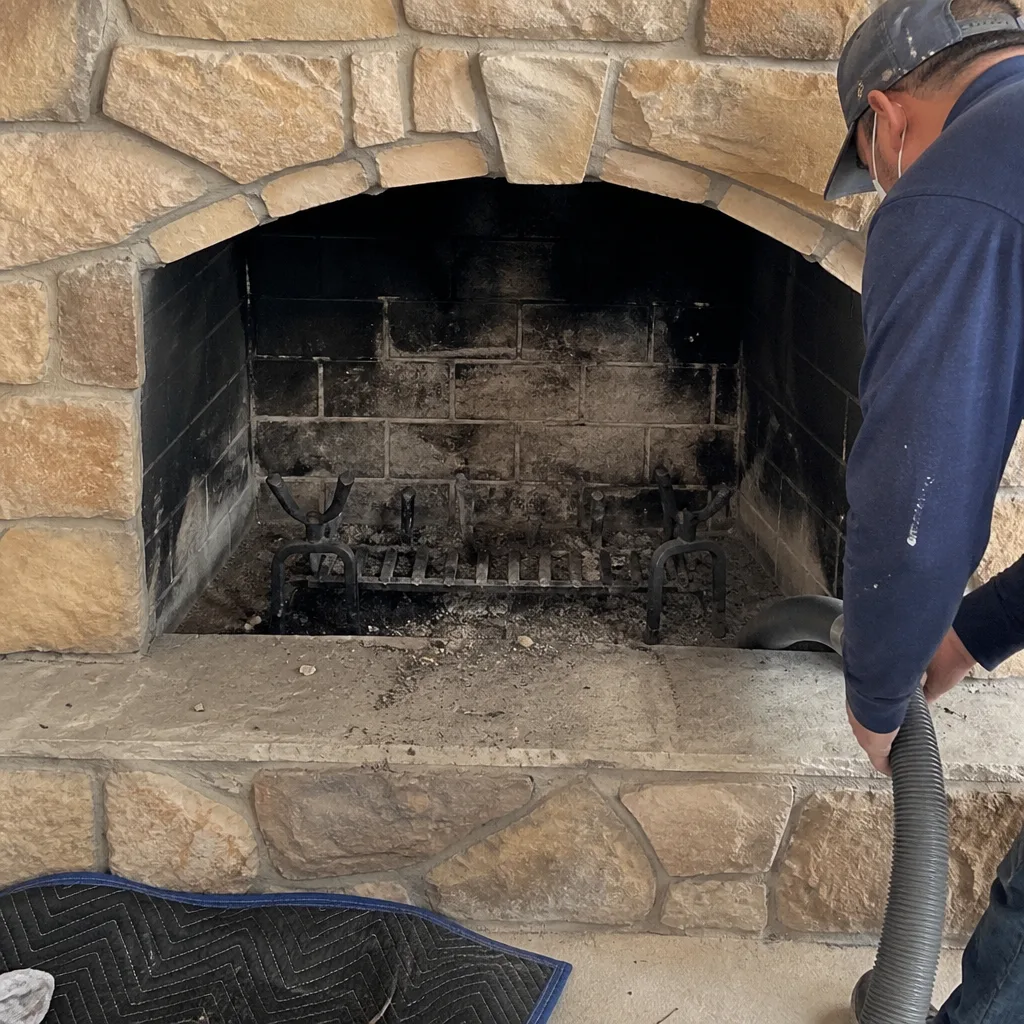
- Debris capture. A sealed cone or mat fits over the firebox opening, catching anything the vacuum misses and protecting the fireplace surround and hearth. Debris capture is the last line of defense before the work lingers as a smell in the room.
The reason these three stages aren’t negotiable: stage two and stage three protect your home. A brush without extraction is a dust distribution device. Extraction without a sweep is a vacuum running over a dirty flue. Both together, plus inspection, is a real cleaning visit.
What rotary cleaning systems reach that standard brushes don’t
Modern prefab fireplaces are common in Portola Springs new construction, and they’re built differently from the masonry fireplaces your parents might have grown up with. Prefab units often have shorter flues, factory-built fireboxes, offset flue runs, and liners with specific inner diameters. Standard brushes, sized for masonry flues, can miss the transition points and the offset sections entirely.
Rotary cleaning systems use a spinning head on a flexible rod, letting the technician reach offset flues, contoured smoke chambers, and the transition zone between the firebox and the first flue section, an area standard brushes rarely clean well. On a prefab assembly, that transition is exactly where creosote accumulates first. It’s also where a sweep without rotary capability quietly fails.
We use rotary systems where the flue calls for them, and we match the brush or head to the assembly rather than assuming every flue is round. When the inspection shows the liner has been compromised, we work with professional-grade liner systems including DuraFlex, which is built for flues with offsets or existing damage. That’s not a repair option a big-box brush-and-vacuum outfit carries.
If you’ve had a sweep before and been told “your flue is fine” after a five-minute visit, it’s worth asking what rotary or camera work was done. If the answer is “none,” the assessment wasn’t really an assessment.
Level 1, Level 2 and Level 3 inspections: which one you need
Chimney inspections are classified by scope, not by how long they take or how much they cost. Knowing the three levels helps you understand what you’re paying for and when a sweep needs to be upgraded to a fuller inspection.
- Level 1. A visual inspection of readily accessible parts of the chimney and fireplace: firebox, damper, smoke chamber, accessible flue sections, cap and crown from the ground or roofline. Level 1 is what should accompany a routine annual sweep when nothing has changed with the chimney or home.
- Level 2. A Level 1 inspection plus a video camera scan of the flue interior, and the technician gains access to the attic, crawl space and any accessible joints. Level 2 is required after a chimney fire, a home sale or purchase, an event that changes the chimney (liner replacement, flue resizing, installing a new appliance on the flue), or an earthquake or severe weather event. Buyers and sellers in Portola Springs should expect a Level 2 as part of pre-sale or pre-purchase.
- Level 3. A Level 2 plus removal of parts of the chimney or surrounding structure to access concealed areas. Level 3 is rare and only performed when a specific suspected hazard requires the chimney to be opened up, which might mean removing a section of wall or exterior finish.
Which level you need depends on your situation, not on what a contractor would prefer to sell. If you’re burning regularly and nothing has changed, a Level 1 with the sweep is standard. If you’ve bought or sold a home in Portola Springs recently, or there’s been visible damage or a chimney fire, a Level 2 is the floor. If a crack shows up on camera that suggests failure behind the flue wall, that’s when a Level 3 conversation starts, and it should come with a clear reason in writing.
The paperwork you should receive after every sweep
Every professional chimney cleaning in Portola Springs should end with documentation. Not a verbal “all good,” not a sticky note, and definitely not just a bill. The right documentation does two things: it tells you what was found, and it becomes the record you’re going to need if you ever file an insurance claim or sell your home.
Here’s what to expect after a proper visit:
- A written condition report describing what was observed at the firebox, damper, smoke chamber, flue sections, cap and crown. Findings listed objectively, not as a sales pitch.
- Camera images or video of the flue interior, especially when any finding is flagged. You should be able to see the same thing the technician saw.
- A clear recommendation tiering: what needs to be done now, what can be scheduled, and what can wait. If nothing needs doing, that should be stated in writing too.
- Which inspection level was performed and what it covered. A Level 1 should read as a Level 1, not be presented as a full inspection when it isn’t.
- A record of the sweep itself with the date, the flue type, and the cleaning method used.
Why this matters: when a chimney fire or a water intrusion event turns into an insurance claim, the first thing your insurer will ask about is maintenance history. Paperwork from past sweeps and inspections is often the difference between a straightforward claim and a disputed one. It’s also what a buyer’s inspector will look for during a Portola Springs home sale.
Why material choice matters: liners, caps and components
When a sweep turns up a problem that needs repair, the conversation shifts to materials. This is where a lot of homeowners get a quote that looks low and ends up costing more, because generic components and generic installation don’t hold up the same way.
A few examples from what we work with:
- HeatShield is a chimney resurfacing system. When a flue liner has deteriorated but the structure behind it is sound, HeatShield can restore the liner surface without full demolition. It’s a repair path most contractors don’t offer, and it can extend flue life at a fraction of the cost of a rebuild.
- DuraFlex is a flexible liner system built for flues with offsets or existing damage. When a liner has to be replaced, the flexibility of the system is what allows it to navigate the flue’s actual shape instead of being forced into it.
- Gelco and Famco supply chimney caps and venting components. A cap replacement spec’d for the flue size and appliance type is different from a generic cover grabbed off a shelf, and the difference shows up in how water, wind and wildlife are actually managed.
- Olympia Chimney and Copperfield supply components used in liner and flashing work, built to chimney industry specifications rather than as universal substitutes.
You don’t need to know these brands to hire well, but you should ask what materials a contractor plans to use and why. If the answer is vague, that’s your answer. For any repair work at the top of the chimney, the chimney cap & crown area is where the choice between proper and generic shows up fastest, and where the work keeps water out of everything below it.
How often does a Portola Springs chimney need cleaning?
The general guidance is an annual sweep and inspection for any chimney you use regularly. In Portola Springs, because of the tight home envelopes and the faster creosote accumulation that comes with cooler, longer burns, we lean toward the annual side of that guidance rather than pushing it. A home that burns a few fires a week from late fall through winter should be on the yearly cycle.
Some situations speed that up:
- Burning unseasoned or wet wood, which produces more creosote per fire.
- A fireplace that smolders more than it burns, which is common when a tight home isn’t drafting well.
- Any past chimney fire, even a small one. A fire event changes the flue and warrants a fresh inspection regardless of timing.
- A home purchase in Portola Springs. Pre-purchase inspection should be a Level 2, and the sweep that follows should happen before the first fire in the new home.
- Visible changes at the cap or crown, including a missing cap, a rusted cap or a crown showing cracks.
If you can’t remember the last time your chimney was inspected, that’s the answer too. A sweep and a Level 1 inspection reset the baseline, and from there the frequency becomes easier to gauge because you have a written record of the flue’s condition.
Common Mistakes to Avoid
- Treating the sweep as the whole job. A brush-and-go visit tells you nothing about the flue’s condition. In a Portola Springs home, that silence hides the exact problems that matter most: liner cracks, crown failure, and cap issues.
- Hiring the cheapest quote without asking what’s included. The lowest quote usually drops the vacuum extraction, the inspection, and the written report, all three. Ask for those three items specifically and compare on that basis.
- Skipping the inspection after a home purchase. Buyers who move in and immediately light a fire without a Level 2 inspection are working from the prior owner’s memory of the chimney, not the chimney itself. A pre-purchase inspection is not optional in our experience.
- Burning unseasoned wood to “save money.” Wet wood burns cooler and produces more creosote, accelerating the buildup that a sweep then has to remove. The savings disappear in the sweep schedule, and the flue condition suffers in the meantime.
- Ignoring a draft problem because smoke “eventually clears.” Smoke that rolls back into a room is a sign the fire isn’t drafting correctly, often because a tight home is starving it of air. That’s a diagnosis waiting to happen, not a quirk to live with.
- Adding a cap without checking the flue diameter. A cap sized for the wrong flue restricts draft or leaves gaps. Famco and Gelco caps spec’d to the flue size is the right approach; a generic universal cap usually isn’t.
- Not keeping the paperwork. The inspection report and photos from your last sweep are what an insurance adjuster and a future buyer will ask for. File them the way you’d file a home inspection report.
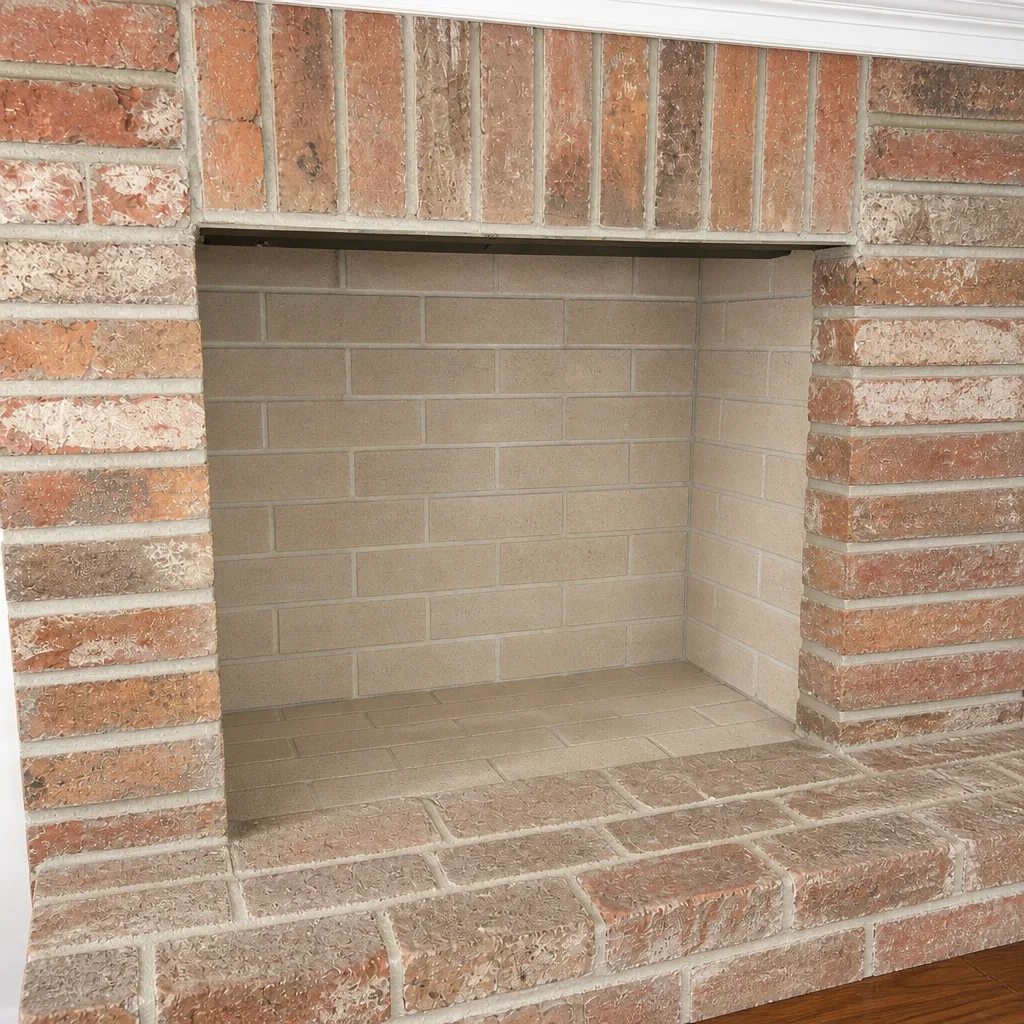
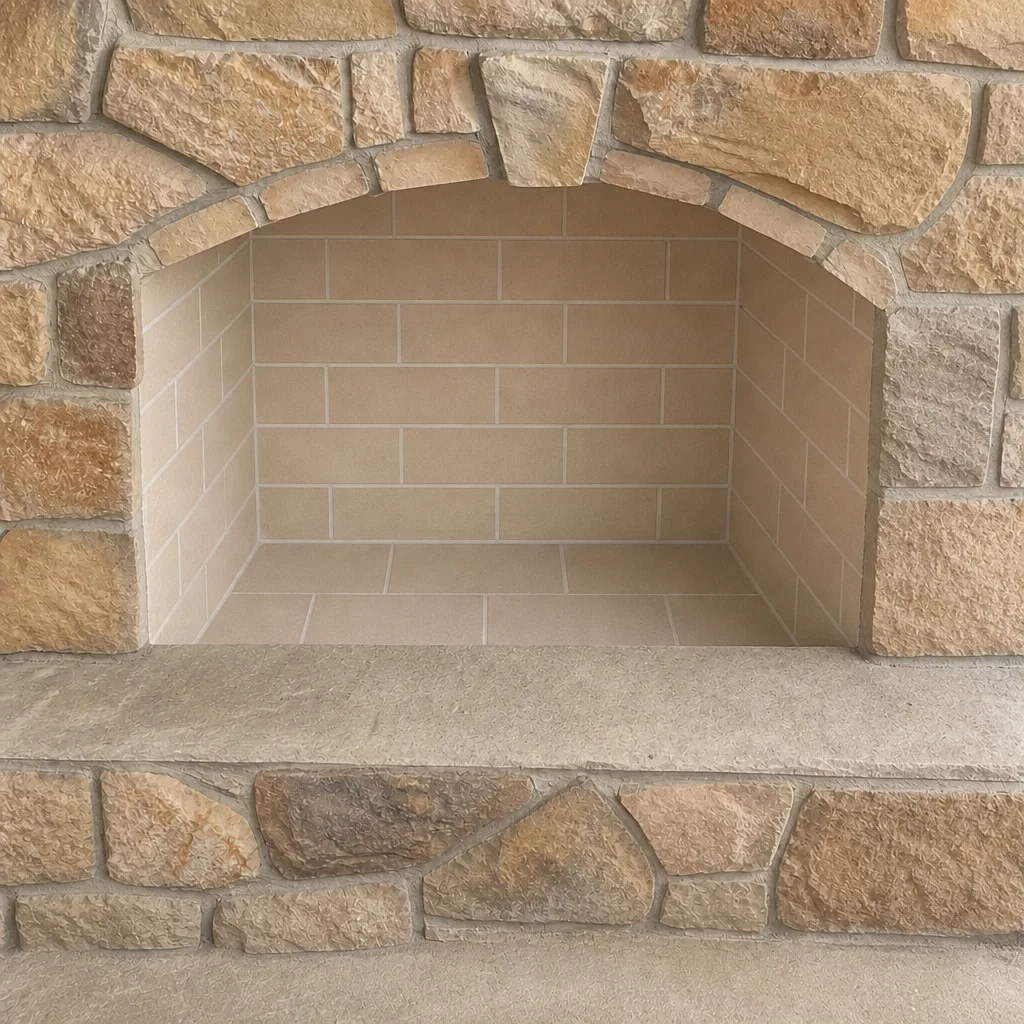
See the difference
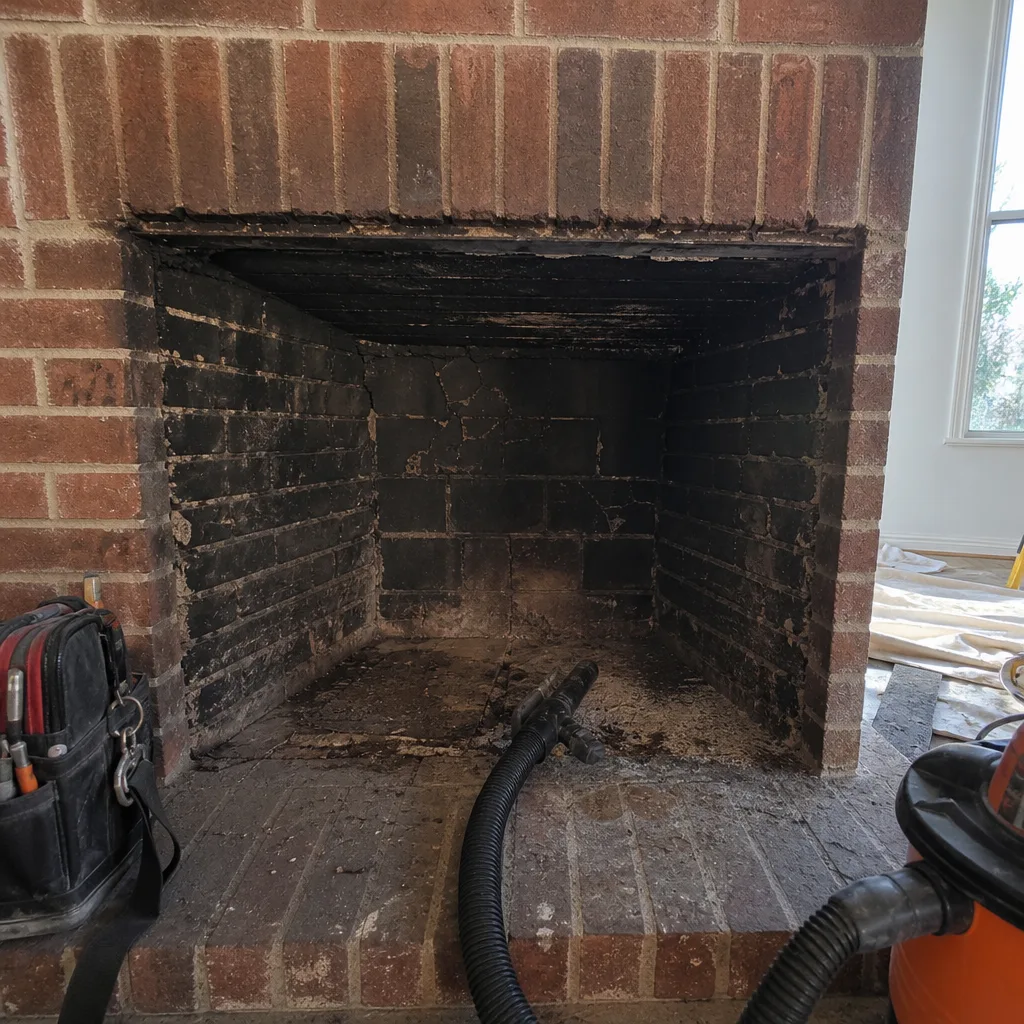 Before
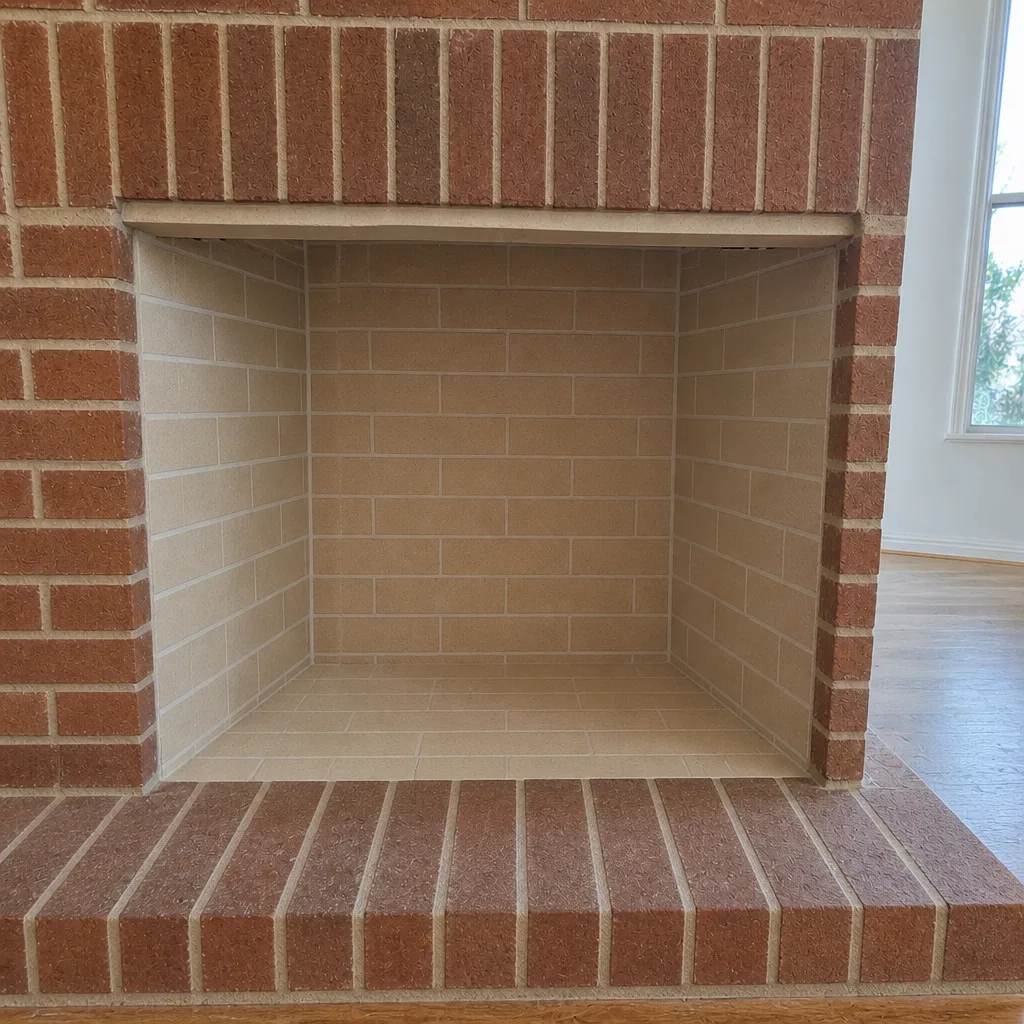 After
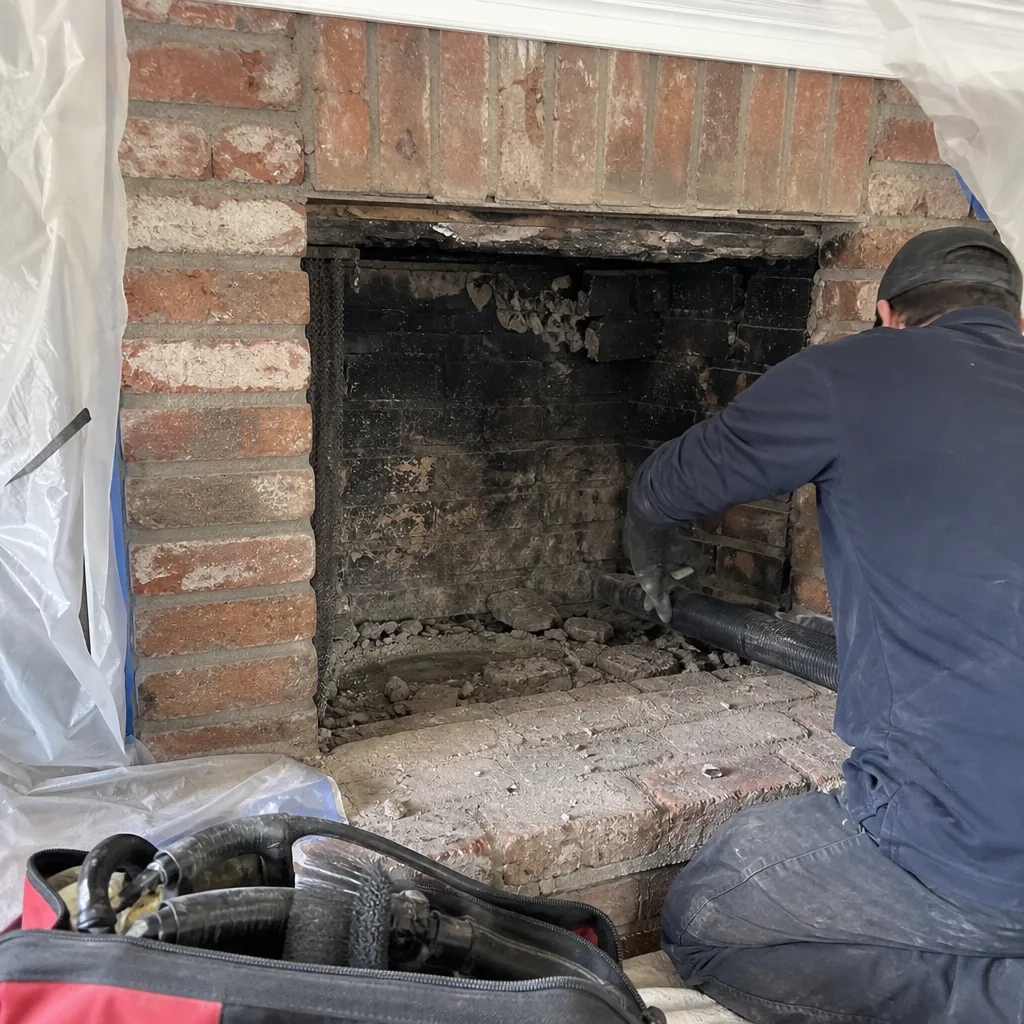 Before
 After
 Before
 After
When to Call a Professional
Some chimney work can be managed by a careful homeowner: keeping the firebox clear, using dry wood, checking the cap visually from the ground. Most of what matters here can’t. Call a professional when you smell a strong creosote odor inside the home between fires, when smoke rolls back into the room as you light, when you see soot staining at the firebox, when you notice cracks or loose mortar at the crown, when a cap is missing or damaged, or when you simply can’t remember the last inspection. In any of those situations, a sweep and a Level 1 inspection answer the question in one visit. If you’ve bought or sold a home in Portola Springs, a Level 2 pre-sale or pre-purchase inspection is the right starting point. Chimney Sweep Portola Springs offers free estimates in Portola Springs. Call (855) 337-1632 to book one and get a written view of what your chimney actually needs.
Frequently Asked Questions
Chimney cleaning in Portola Springs is priced per job, based on the flue’s condition and any findings the inspection turns up, with the final price set by a written estimate. Because there’s no single rate that fits every home, we don’t quote a number without seeing the flue; the estimate itself is free, and it includes a written scope. Call (855) 337-1632 for an exact quote – estimates are free.
Yes. A sweep without a Level 1 inspection tells you the flue is clean but nothing about whether it’s safe, and the state of the liner, cap and crown is what determines whether you can keep burning. The inspection is what turns a sweep into a decision you can act on. Call (855) 337-1632 to book a sweep and inspection in one visit – estimates are free.
Once a year for any chimney you burn in regularly, and more often if you burn unseasoned wood, have had a chimney fire, or notice draft issues. Portola Springs homes are tight and often produce cooler fires, which builds creosote faster, so the annual cycle is a floor rather than a stretch. Call (855) 337-1632 for an exact quote – estimates are free.
Creosote accumulates in the flue, and once it glazes it becomes combustible and harder to remove. Slower accumulation also hides liner cracks and crown failures behind soot, so a skipped year can turn a small repair into a larger one before anyone notices. A yearly sweep and inspection is what keeps those findings small. Call (855) 337-1632 for an exact quote – estimates are free.
Yes. New construction doesn’t mean the chimney doesn’t need an inspection; it means you don’t yet have a baseline for it. Construction debris in the flue, a poorly fitted cap, and a tight home envelope that affects draft are all worth finding out about in the first year rather than after five. Call (855) 337-1632 to book a first inspection – estimates are free.
Ask what the contractor plans to use and why it fits your flue, rather than asking for a specific brand by name. HeatShield is used for resurfacing a deteriorated liner, DuraFlex for flexible liner replacement, and Gelco or Famco for caps spec’d to the flue size. A contractor who can explain the reason behind the choice is the one worth hiring. Call (855) 337-1632 for an exact quote – estimates are free.
The Bottom Line
A chimney cleaning in Portola Springs is three things working together: a proper brush sweep, a HEPA vacuum extraction running alongside it, and sealed debris capture at the firebox. Attached to that should be a Level 1 inspection with a written report and photos, and a clear recommendation of what needs doing now versus what can wait. When a repair does come up, the materials matter: HeatShield for liner resurfacing, DuraFlex for liner replacement, Gelco and Famco for caps, and Copperfield and Olympia Chimney for components. Our technicians have up to 10 years of experience with the full chimney system, from firebox to cap. If it’s been more than a year, or you’ve just moved into a Portola Springs home, that’s the moment to book the sweep and the inspection together, and to keep the paperwork in a safe place.
Contact
Ready to schedule a chimney cleaning with a real inspection attached, or to have the full system looked at after a home purchase in Portola Springs? Call Chimney Sweep Portola Springs at (855) 337-1632 for a free estimate. We answer 24/7. Fast dispatch from 7am to 7pm, Sunday through Friday. Whether the need is a routine chimney sweep, a standalone inspection, cap and crown repair, a fireplace repair, or a liner issue that needs a written assessment, we’ll walk you through what we find and give you a written estimate before any work begins. See the full scope of what we do on our Chimney Sweep Portola Springs page.
Written by the team at Chimney Sweep Portola Springs.