
Last updated November 25, 2026
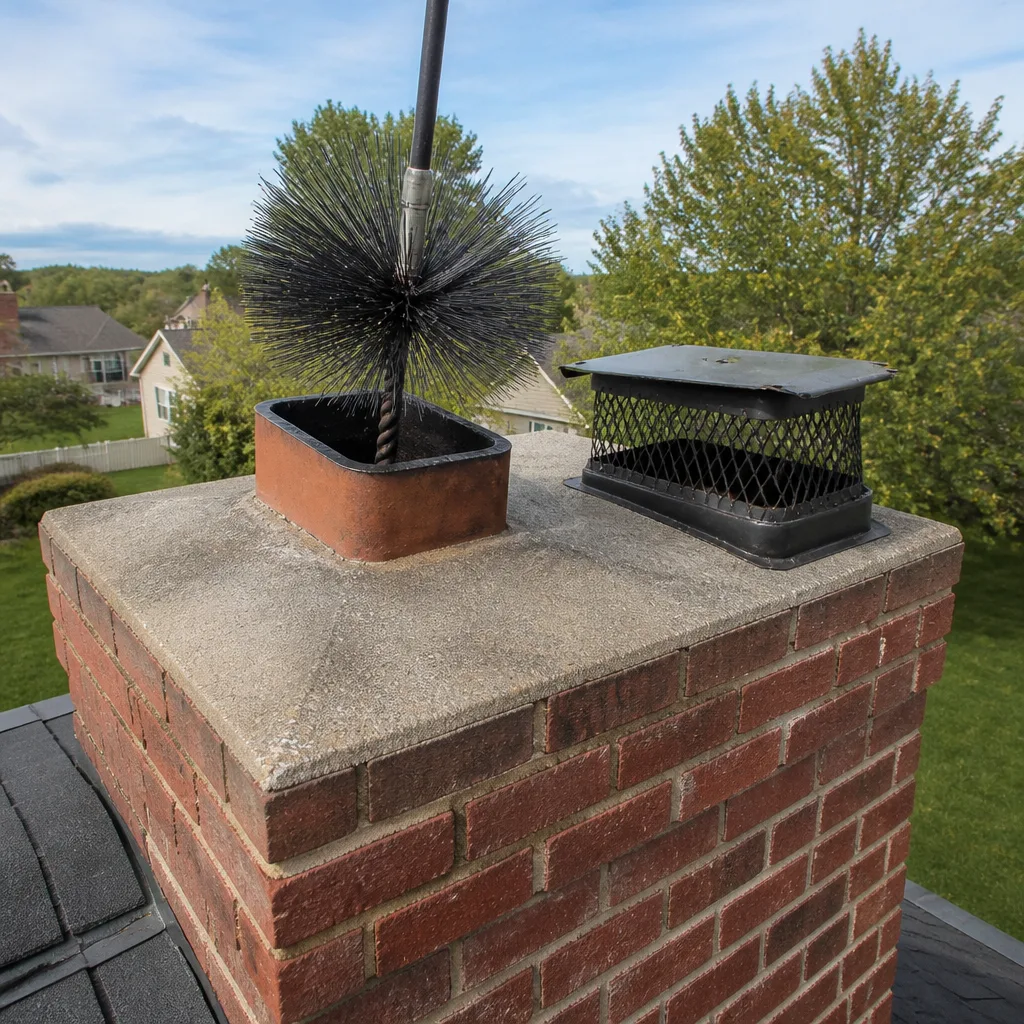 Sweep & inspection
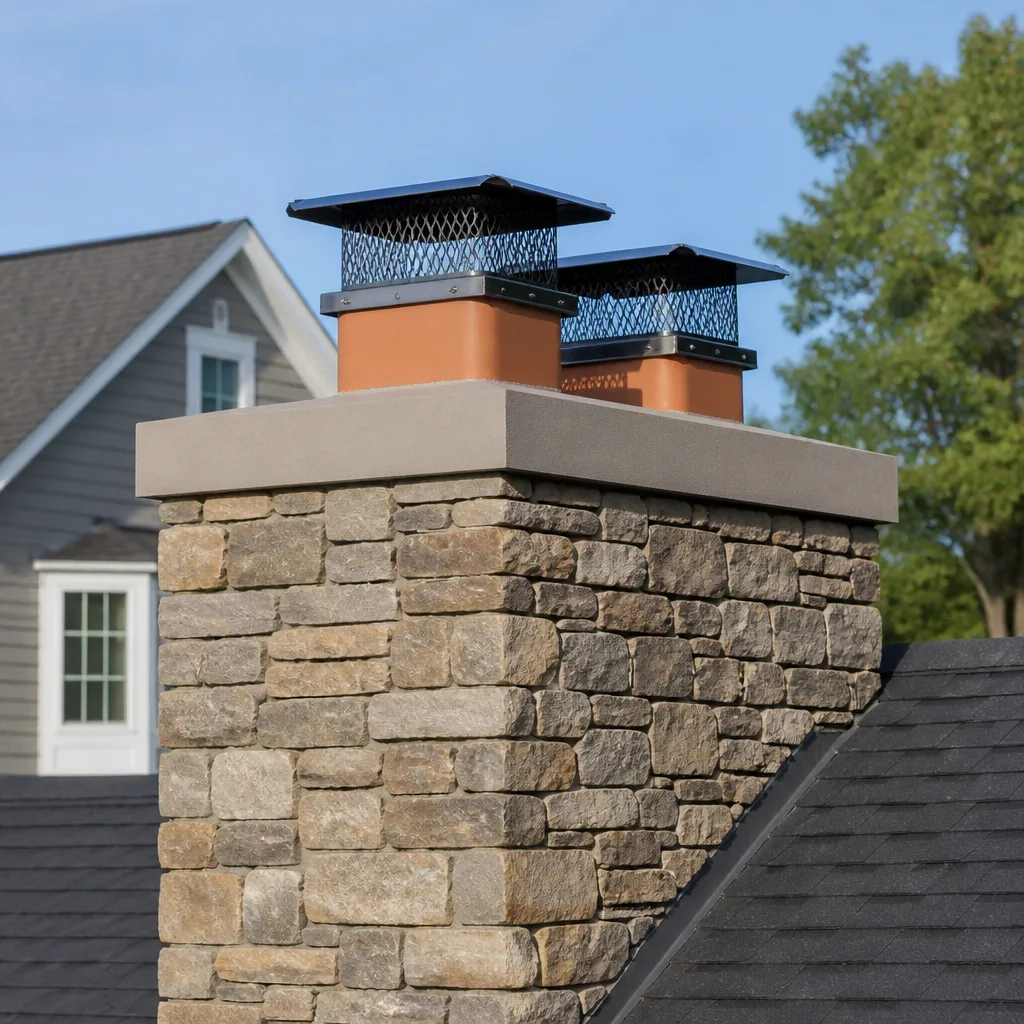 Caps & crowns
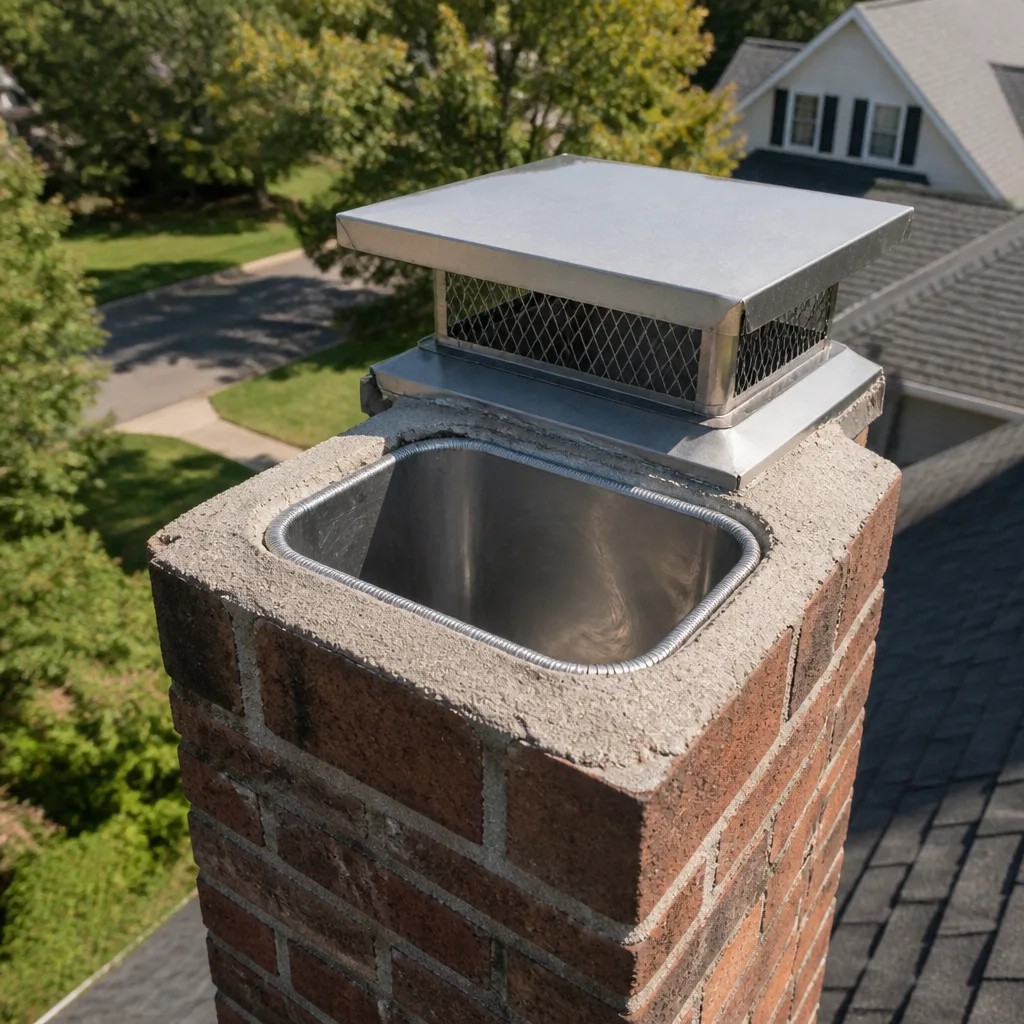 Flue relining
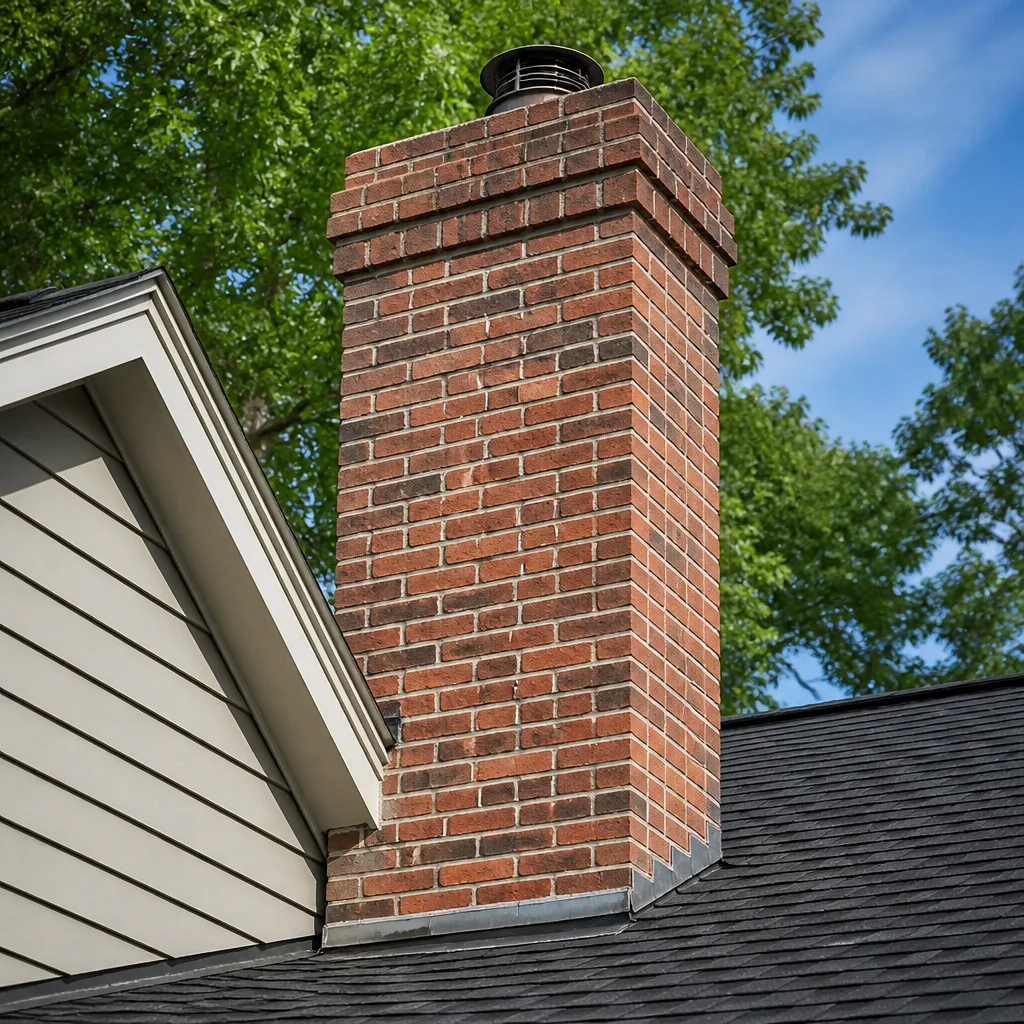 Masonry repair
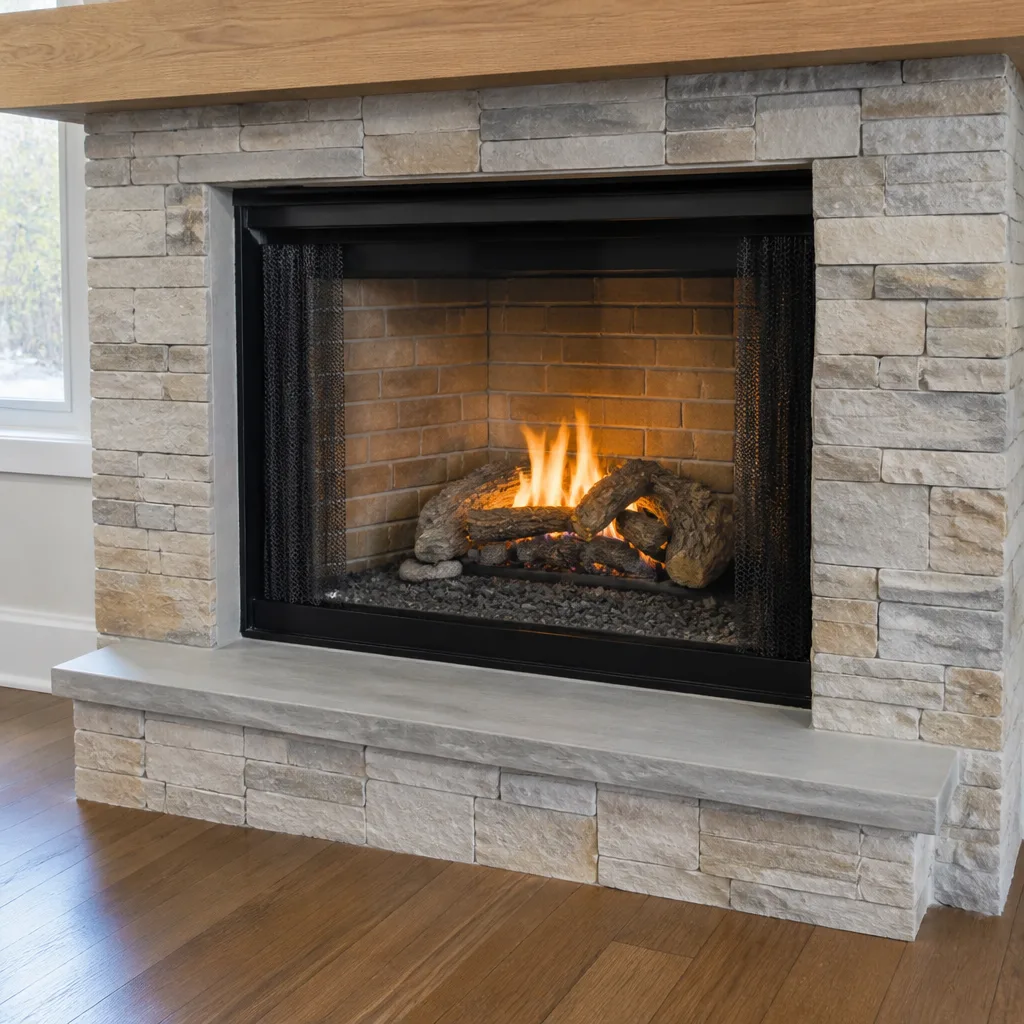 Gas fireplace service
Level 1 sweep and inspection to the NFPA 211 annual standard - flue, crown, cap, and flashing checked and photographed
Chimney sweep logs do not sweep chimneys. They loosen some creosote - which then falls where a brush and vacuum still have to collect it.
DIY vs Professional Chimney Cleaning: The Portola Springs Homeowner’s Decision Guide
A homeowner with a brush kit can knock light creosote off the flue walls. That part is true, and we won’t pretend otherwise. What that same homeowner cannot do is inspect the smoke chamber for spalling, run a camera through every liner joint, or tell the difference between ordinary soot and glazed Stage 3 creosote that looks like a thin dark film until it reaches ignition temperature. That gap between what a brush reaches and what actually determines whether your chimney is safe is the whole conversation. This guide draws a hard line between what you can legitimately handle yourself in a Portola Springs home and what needs professional access, tools, and a trained eye.
Quick Answer
A DIY brush sweep is acceptable only for a wood-burning flue with light, dry, powdery creosote, no history of problems, and an annual professional inspection already on record. Everything beyond that – glazed creosote, smoke chamber damage, liner joint failure, any gas appliance, and any chimney you’ve never had inspected – requires a professional. In practical terms, DIY covers roughly 40% of what a real service visit addresses, and the missing 60% is where the serious hazards live.
Styles & brands we work with
- Sweep & inspection
- Caps & crowns
- Flue relining
- Masonry repair
- Gas fireplace service
Table of Contents
- What a DIY Brush Sweep Can and Cannot Physically Reach
- The Tools Professionals Use That You Can’t Buy at a Hardware Store
- Three Scenarios Where DIY Is Genuinely Acceptable
- Three Scenarios Where DIY Creates Real Liability
- Gas Inserts vs Wood-Burning: Why Gas Has Zero DIY Tolerance
- Creosote Stages: What You Can See and What You Can’t
- What California Homeowner’s Insurance Typically Requires After a Chimney Fire
- Cost Comparison: DIY Kit vs Professional Sweep in Portola Springs
What a DIY Brush Sweep Can and Cannot Physically Reach
A standard residential flue in a Portola Springs home runs 6 to 8 inches in diameter for a wood-burning fireplace, with a vertical run that may include one or more offsets before it reaches the cap. A consumer brush on flexible rods can travel that straight run and scrub the accessible flue wall. That is the entire scope of what hand-rod brushing accomplishes.
Here is where the geometry gets in the way. A standard flue brush head sits roughly 8 to 12 inches below the top of its guide rod, and the rods themselves flex and bind as you push them around a 30-degree offset. Most homeowner kits top out at 15 to 20 feet of reach. Many two-story flues in this area exceed that, which means the upper third of the flue – the coolest, wettest, most creosote-prone section – never gets touched at all.
Beyond the flue, three components sit entirely outside a DIY sweep’s reach:
- The smoke chamber. This is the sloped cavity above the damper and below the flue. It corbels inward and collects soot in the corners where a brush can’t make contact. Spalling mortar and cracked parging here are invisible from the firebox and dangerous.
- The damper assembly and its frame. A rusted or warped damper frame often signals moisture intrusion from above, which you’d only catch by inspecting the crown and cap on the roof.
- The liner joints. A factory-built chimney’s liner is a series of sections joined at seams. A brush passes right over a failed joint. Only a camera sees it.
If you want to know exactly what’s happening inside your flue before the season starts, the only way to see the parts listed above is with a professional inspection. That’s the honest math on brush reach versus system condition.
The Tools Professionals Use That You Can’t Buy at a Hardware Store
The gap between a consumer kit and a professional setup is not marketing. It’s the difference between cleaning a surface and diagnosing a system. Here is what a real service visit brings that a homeowner simply cannot stock.
- Rotary cleaning systems. A powered rotary head with whip chains or plastic blades spins at controlled speed to scrub glazed creosote off the flue wall. Hand-rod brushing removes loose soot; rotary work removes the hard, tar-like deposit that brushing skips. Consumer versions don’t exist for good reason – the torque and speed need a trained operator.
- Chimney inspection cameras. A camera on a flexible rod feeds a monitor so the technician can see every liner joint, every offset, and the top of the smoke chamber. This is the only way to confirm a liner hasn’t cracked at a seam.
- Smoke chamber casting materials. When parging has failed, the repair isn’t paint. It’s a refractory casting material applied to reshape the chamber to code. We use HeatShield for chimney resurfacing because it restores a deteriorating flue liner without full demolition – a repair option most competitors don’t offer, and certainly not something a homeowner can apply by hand.
- Flexible liner systems. When a liner has failed outright, the fix is a new one. We install DuraFlex flexible liner systems, the professional standard for relining chimneys with offsets or existing damage. A homeowner cannot spec, size, or install a liner to industry standards.
- Properly sized caps and venting. We source Famco and Copperfield components so a cap replacement is spec’d to the flue size rather than grabbed off a shelf. An ill-fitting cap lets water and animals in and can restrict draft.
None of this is available at a big-box store, and none of it can be faked with a mirror and a flashlight. That’s the tool gap in one paragraph.
Three Scenarios Where DIY Is Genuinely Acceptable
We’re not going to tell you that every chimney needs a paid visit every single year regardless of use. There are honest cases where a homeowner can handle the routine maintenance themselves, provided an inspection is already on record and nothing has changed. Here are the three.
- Light, dry, powdery creosote in a wood-burning flue you’ve had inspected recently. If a professional inspection within the last year found no liner or smoke chamber issues, and the deposit is the thin, flaky, soot-like kind, a homeowner brush sweep between professional visits is reasonable. The key word is “between.” Diagnosis still belongs to the inspection.
- Cleaning the firebox floor and glass on a wood-burning unit. Ash removal, sweeping the firebox floor, and cleaning the glass door are all safe homeowner tasks. These are surface chores, not system work, and they don’t substitute for anything.
- Removing a light ash layer after a burn season in a lightly used fireplace. If you burn a handful of fires a year and the flue was inspected and swept professionally before the season, a light end-of-season ash cleanup is fine. Don’t confuse ash cleanup with flue cleaning.
Notice what these have in common: an inspection already happened, the appliance is wood-burning, and the deposit severity is known and mild. Portola Springs homes often get light use because our winters are mild – a fireplace is ambiance more than heat for many households – so the mild-deposit case comes up more often here than in cold-climate markets. But mild use is not the same as no inspection. If you’ve never had the flue looked at, none of these three scenarios applies to you yet.
Three Scenarios Where DIY Creates Real Liability
Now the other side. These are the cases where a homeowner brush sweep doesn’t just leave work undone – it creates a documented gap that can matter when you file a claim or sell a home.
- Any glazed or tar-like creosote. Stage 3 creosote looks like a thin dark glaze. A brush passes over it. It ignites at temperatures well above 2,000°F and burns hot enough to crack a liner or spread into the framing. Only a rotary system removes it, and only a trained eye identifies it before it’s a problem.
- Any gas appliance. A gas insert or gas log set produces no creosote in the wood sense, so there’s nothing to brush – but the flue, vent termination, and what little deposit exists still need inspection. A blocked or disconnected gas vent lets carbon monoxide into the living space with no smoke smell to warn you. There is zero DIY tolerance here.
- A chimney you’ve never had professionally inspected. If you don’t have a baseline, you don’t know what you’re brushing over. A homeowner sweep on an uninspected flue can dislodge a weakened liner section or mask a crack that a camera would have caught. Get the inspection first.
The liability piece is real but not about blame. It’s about the paper trail. If a chimney fire happens and you can show a professional inspection and sweep on record, your insurer’s investigation goes one way. If your only record is a receipt for a brush kit, it goes another. That topic deserves its own section, and we cover it below.
Gas Inserts vs Wood-Burning: Why Gas Has Zero DIY Tolerance
The distinction between gas and wood appliances is the single most important line in this guide, and it doesn’t get enough attention. Wood-burning and gas systems fail in fundamentally different ways, and only one of them gives you a warning you can sense.
A wood-burning chimney with a deposit problem usually announces itself – draft gets sluggish, smoke rolls into the room, the fire struggles to light. A gas appliance gives no such signal. Carbon monoxide is odorless and colorless. A disconnected vent, a blocked termination, or a cracked liner section on a gas insert can send exhaust into the living space while the fireplace looks perfectly normal.
That’s why gas systems have no acceptable DIY inspection path. There is nothing to brush and nothing to see by eye. The only meaningful check is a professional inspection of the vent path, the termination, and the connections – all of which require access and, on some systems, combustion testing.
We’ve seen the reasoning in our experience: a homeowner reasons that because there’s no creosote, there’s nothing to inspect. The opposite is true. Fewer visible symptoms means you need the camera and the trained eye more, not less. If you have a gas insert in Portola Springs, treat the annual inspection as non-negotiable. A clean, properly lined and vented flue is what keeps combustion gases out of your living space.
We cover the full gas-side inspection and the fireplace repair work that follows when a component has failed, so you’re not juggling two trades to get one answer.
Creosote Stages: What You Can See and What You Can’t
Creosote forms in three recognizable stages, and only one of them is safely addressed by a homeowner. Knowing the difference is the core skill the entire DIY decision rests on.
- Stage 1: soot and light flaky deposit. Thin, powdery, brushes off easily. Visible to the naked eye at the top of the firebox. Homeowner removal between professional visits is reasonable if the flue was inspected recently.
- Stage 2: hardened, crusty deposit. Darker, brittle, and increasingly stubborn. A brush loosens some of it but not all. This is where homeowners start overestimating how clean the flue really is.
- Stage 3: glazed, tar-like coating. Looks like a thin dark shellac on the flue wall. Hard as a rock once cool. Ignites at very high temperature and can crack a liner or ignite surrounding framing. A hand brush does essentially nothing to it. Only a rotary system removes it.
The trap is that Stage 3 can look almost like a light film. The deposit is thin, but it’s the thin, dense layer that causes catastrophic chimney fires. Draft and smoke behavior can stay normal right up to the point of ignition. You cannot reliably classify creosote by eyeballing it from the firebox with a flashlight, and no consumer tool measures it. What you can do is have a professional inspect and classify it – and if it’s Stage 3, remove it with the right equipment before it matters.
Portola Springs homes that burn seasoned hardwood on a regular basis can build Stage 3 faster than they expect, especially if the fire is routinely choked down low. Cool-burning fires produce more of the tarry deposit than hot ones. That’s not a reason to worry; it’s a reason to know your stage, and the only way to know is an inspection.
What California Homeowner’s Insurance Typically Requires After a Chimney Fire
If a chimney fire damages your home, the first thing an adjuster will ask for is evidence of maintenance, and the most persuasive evidence is a documented professional inspection and sweep. California homeowner’s policies don’t all read alike, and we won’t tell you exactly what yours says – read your policy, or ask your agent, because the details matter.
What we can tell you is how the claims process generally works when a chimney is involved. Insurers underwriting a fire-related claim look for proof that the loss was not due to neglected maintenance. “Neglect” is the word that decides outcomes. A homeowner who can produce a professional inspection record showing the flue was in acceptable condition, and a sweep that removed deposits, has a very different file than one whose only maintenance history is a brush kit.
Three practical points worth knowing:
- Keep the service record, not just the memory. A written inspection report with photos is the document that matters. A camera inspection and photo report included with the visit is exactly the kind of record that supports a claim later.
- DIY cleaning doesn’t create a defensible record. You can’t document what you can’t see. A homeowner sweep produces no report and no evidence of the flue’s condition on the day it happened.
- Inspections help on the front end, too. Some insurers ask about the age of the chimney system or whether a liner is present. Knowing the system’s condition before you have a claim is worth more than discovering it after.
None of this is a scare tactic. Most chimney fires are small and never reported. The point is that a documented inspection is cheap insurance-shop currency if the worst does happen, and it costs nothing more than the inspection itself. We offer a standalone chimney inspection for exactly this reason – an honest condition report you can keep, not an upsell bundled with a cleaning.
Cost Comparison: DIY Kit vs Professional Sweep in Portola Springs
This is where the DIY pitch usually wins people over: a brush kit costs less than a professional sweep, and the difference seems like easy money. But that comparison only works if you’re solving the same problem, and you’re not. Here’s the honest breakdown.
A consumer brush and rod kit purchases the ability to scrub a straight section of accessible flue. A professional visit purchases a sweep, a full inspection with camera, a photo report, classification of any creosote deposit, and a documented record of the system’s condition. Those are two different jobs.
| Item | Typical Cost Range | What It Covers |
|---|---|---|
| DIY brush and rod kit | $50-$150 (one-time purchase) | Accessible straight flue section only, no inspection, no record |
| Professional chimney sweep visit | Estimated per job, exact price by written estimate | Full sweep including rotary work, camera inspection, photo report, documented record |
| Standalone professional inspection | Estimated per job, exact price by written estimate | Camera inspection and condition report, sold separately or combined with a sweep |
| HeatShield liner resurfacing (if needed) | Estimated per job, exact price by written estimate | Restores a deteriorating flue liner without full rebuild |
| DuraFlex liner installation (if needed) | Estimated per job, exact price by written estimate | Replaces a failed liner with a properly spec’d flexible system |
We price each job by written estimate, not by a flat rate card, because two flues in two Portola Springs homes can need very different work. The estimate is free and the written estimate sets the final price – there’s no mystery line item and no upsell after the fact. That’s how you compare a DIY kit against a professional visit on real terms: not the sticker price, but what each one actually leaves you with when the job is done.
We also handle chimney cap & crown work and the repair side of the system, so if an inspection turns up a failing cap or crown you’re not starting over with a new contractor to get it fixed.
Common Mistakes to Avoid
- Cleaning the flue without a professional inspection first. A brush sweep on an uninspected chimney can loosen a weakened liner section or push creosote down into the smoke chamber where it does more harm. Get the inspection as the baseline, then decide about DIY between visits.
- Assuming no visible smoke means no problem. A gas insert with a disconnected vent can look completely normal while carbon monoxide enters the room. No smell, no smoke, no warning – inspection is the only check.
- Judging creosote by color alone. Stage 3 glazed creosote looks like a thin dark film and brushes off as if it’s gone. A rotary system removes it; a hand brush doesn’t.
- Buying a cap from a hardware store and installing it yourself. A cap sized wrong for the flue restricts draft or leaves gaps that let water and animals in. Famco and Copperfield caps are spec’d to the actual flue size, which is why the sizing step matters as much as the part.
- Skipping the report after a sweep. A sweep without a photo report gives you a clean flue but no record. Keep the written report – it’s what supports you if a fire-related claim ever comes up.
- Treating “it’s just a few fires a year” as a pass. Light use reduces deposit volume but doesn’t eliminate the need for an inspection, especially on gas systems where the failure mode is invisible. Use and maintenance are two separate questions.
- Burning unseasoned wood to save money. Green or wet wood produces more creosote per fire than seasoned hardwood, and the deposit builds faster in a cool-running fire. Seasoned wood is cheaper than a liner repair.
If you’re not sure which of these mistakes applies to your chimney, the chimney sweep visit answers it in one appointment, camera included.
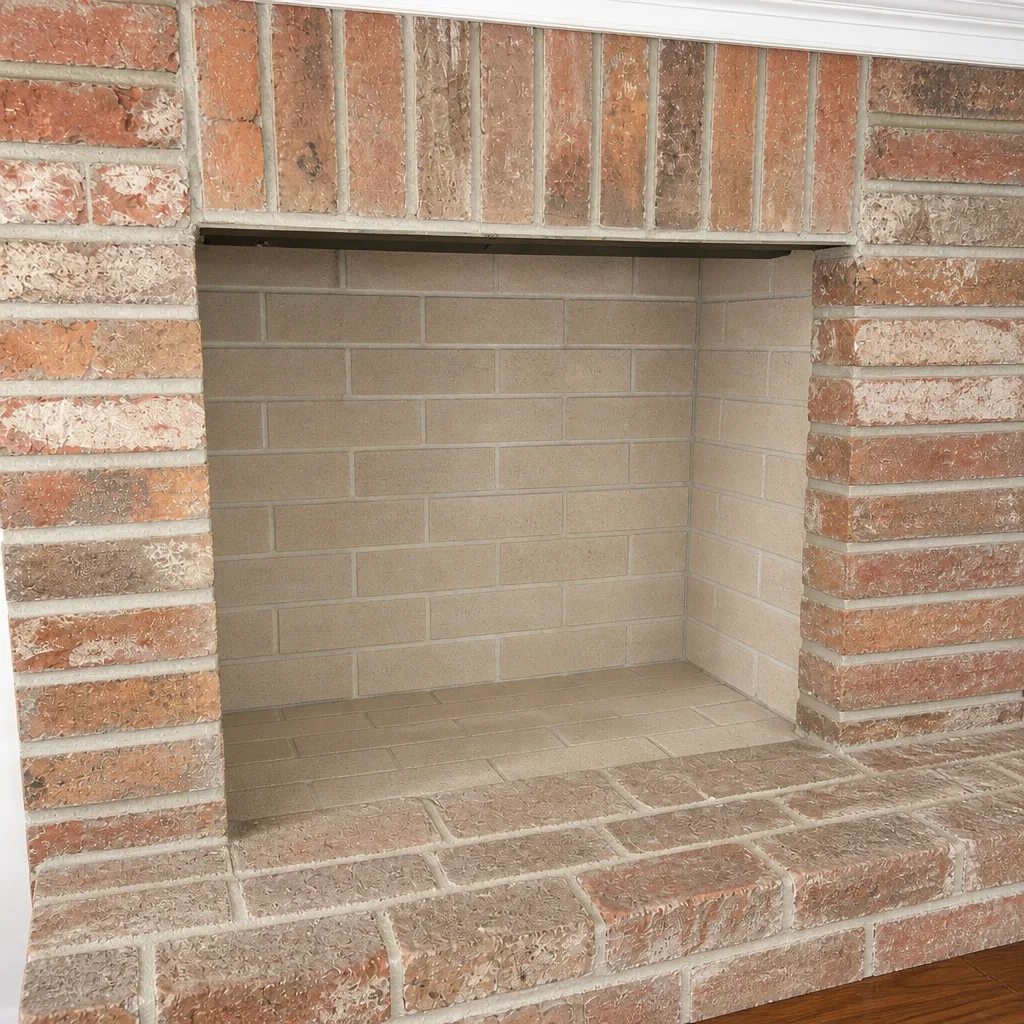
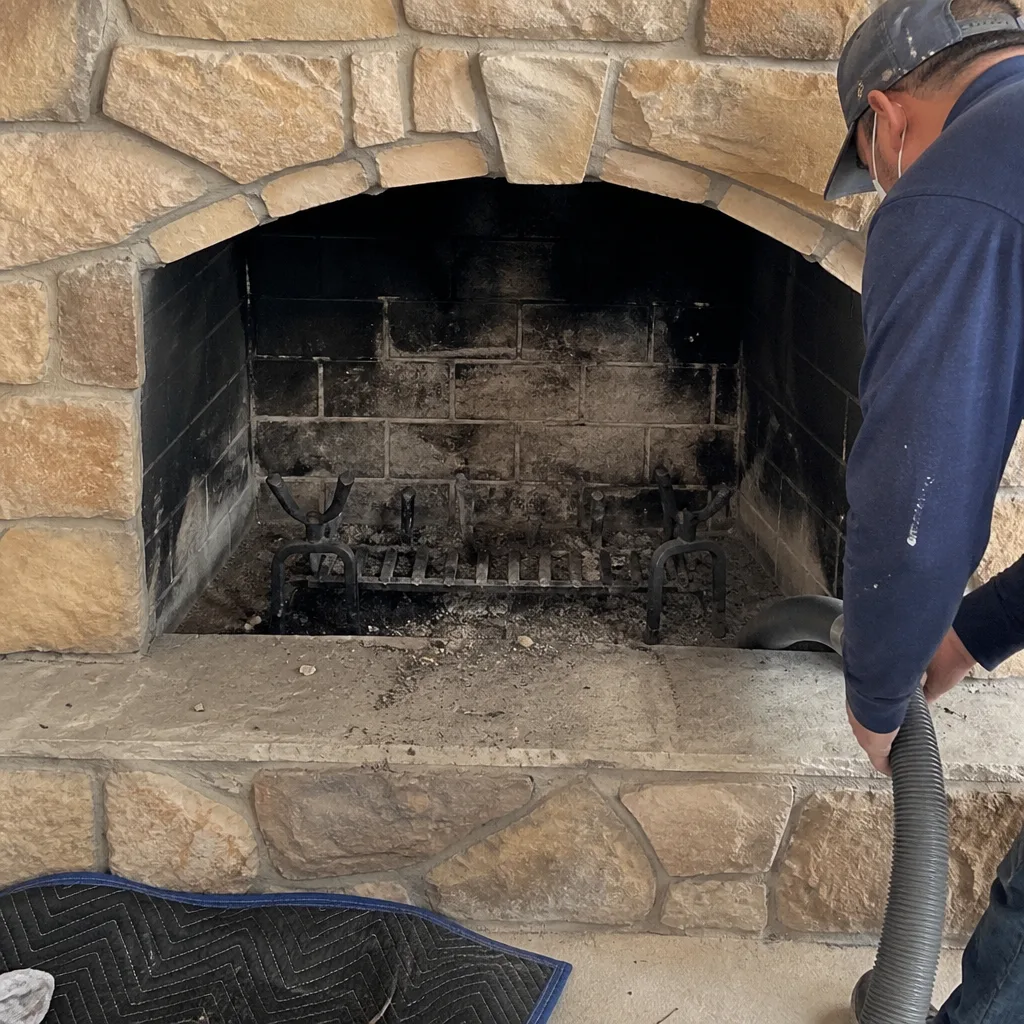
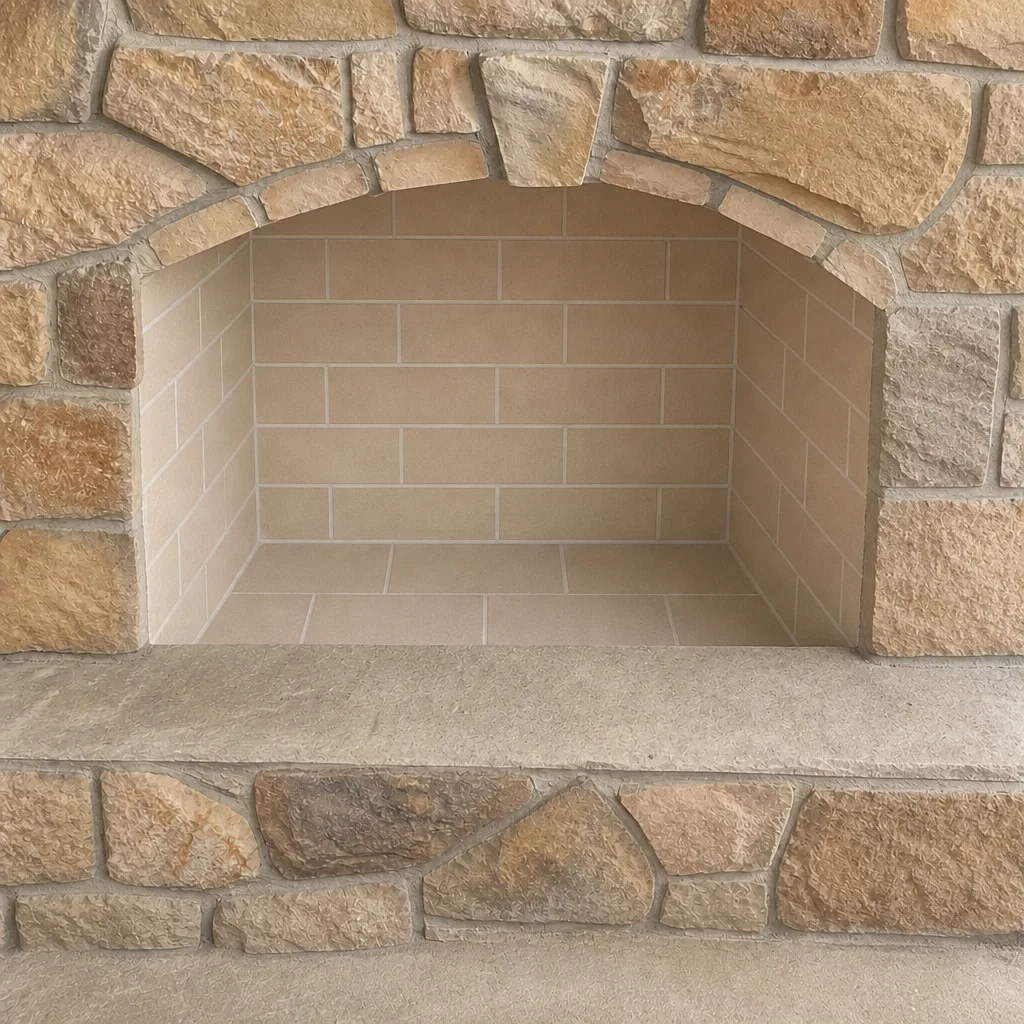
See the difference
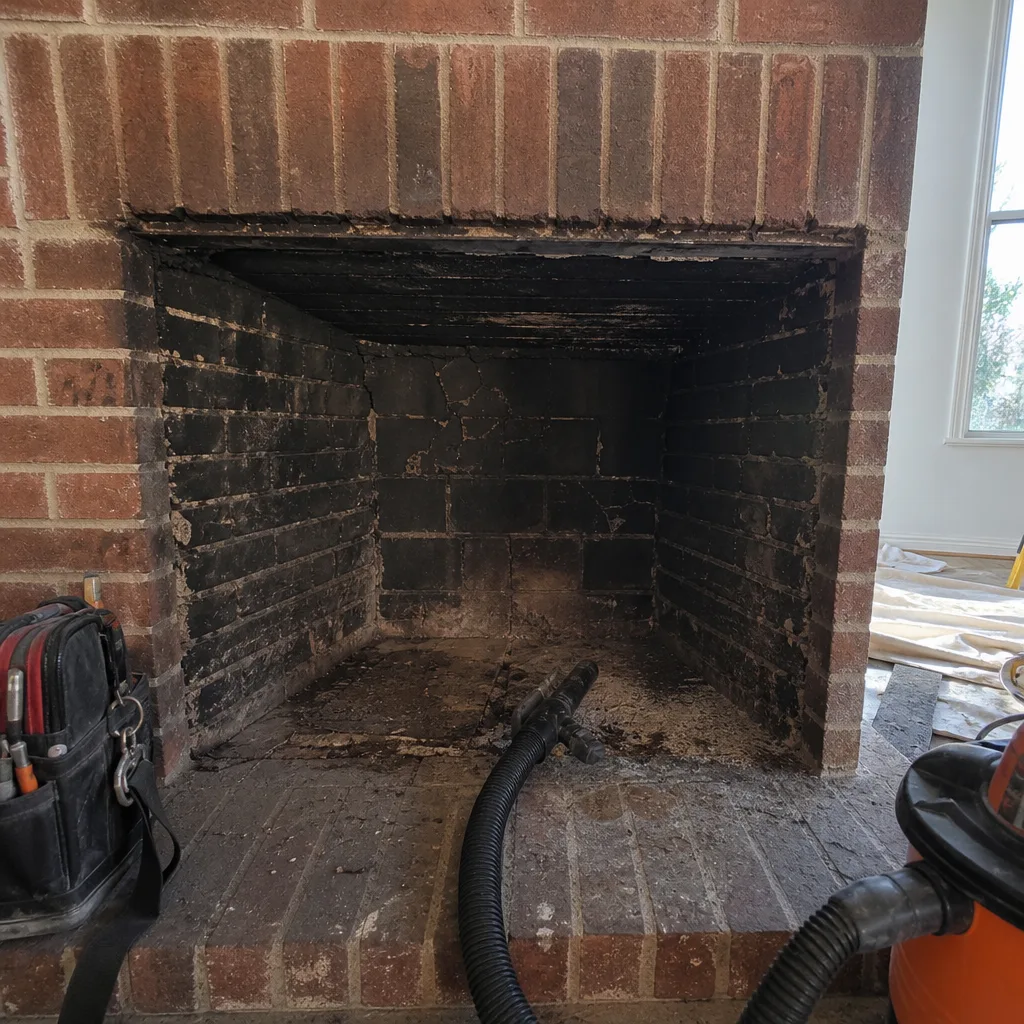 Before
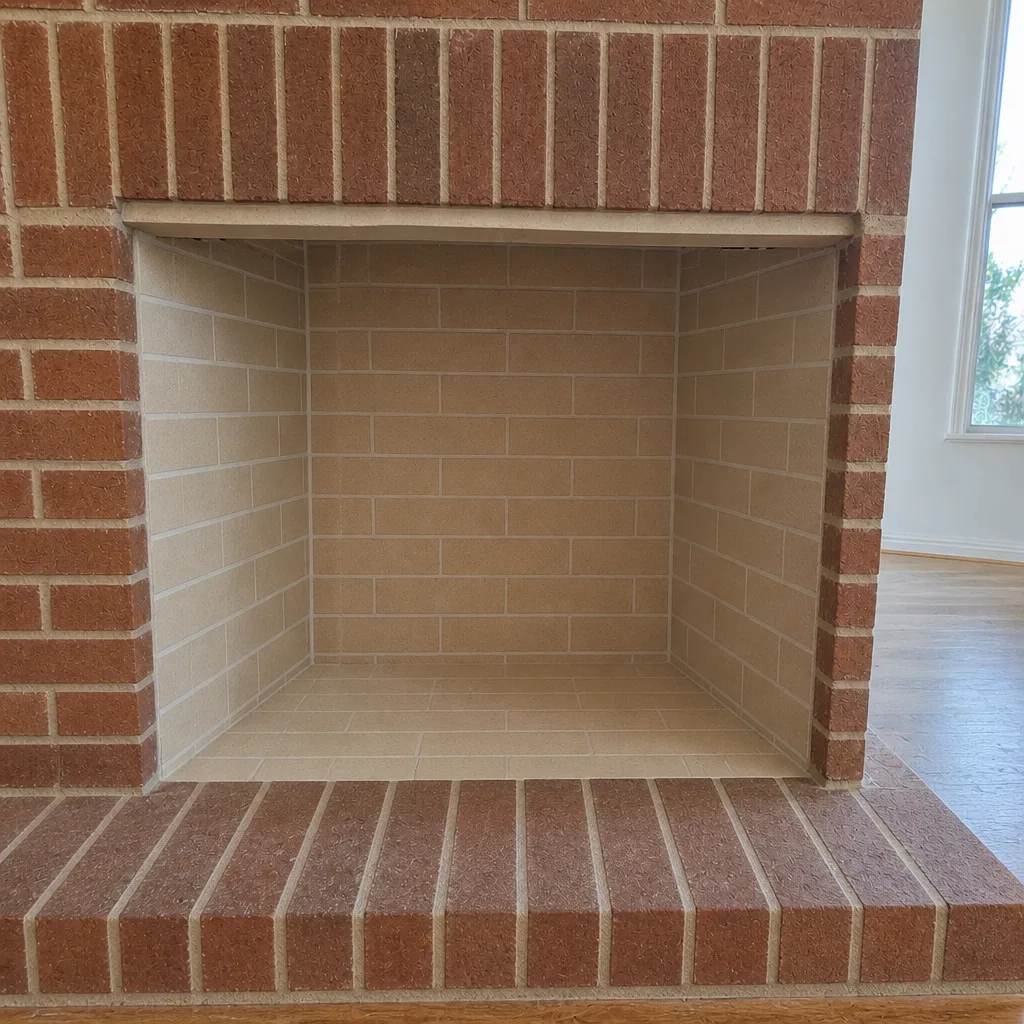 After
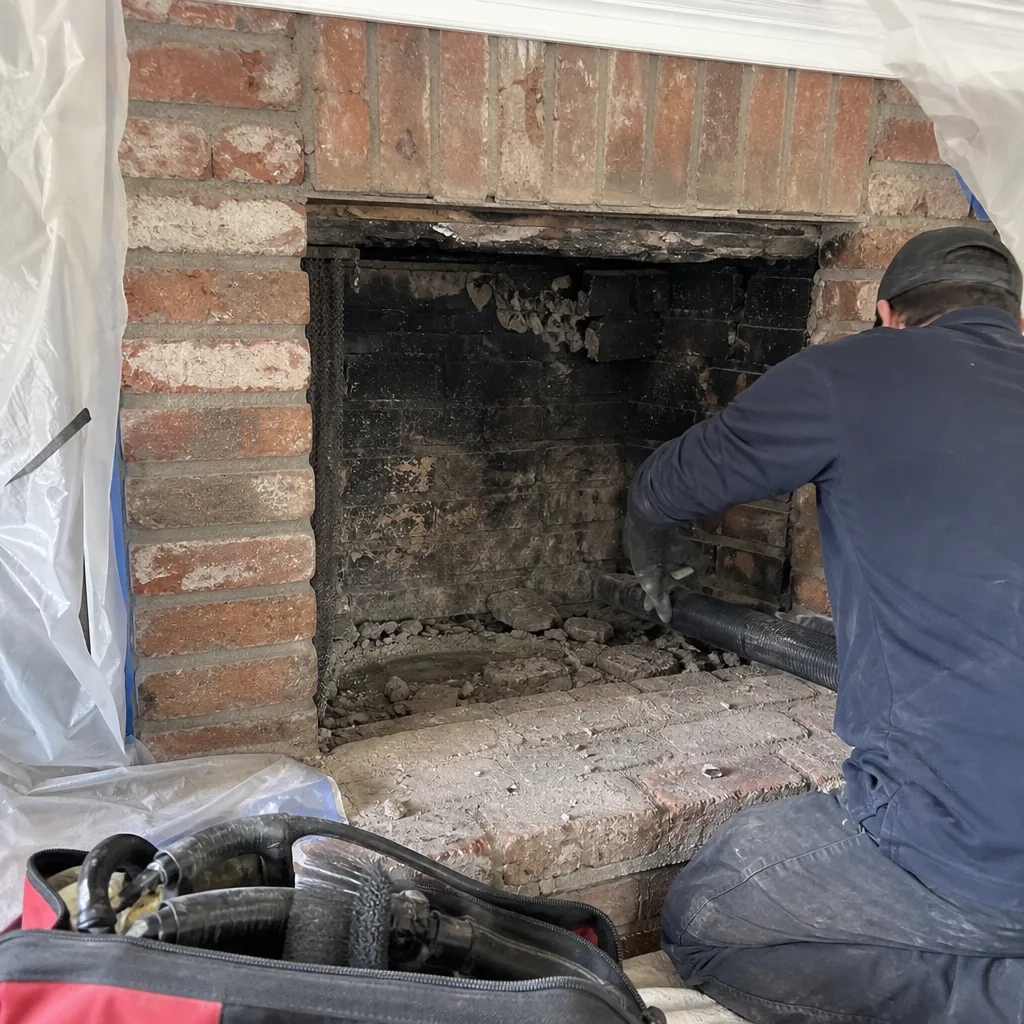 Before
 After
 Before
 After
When to Call a Professional
Call a professional if any of these is true: you’ve never had your chimney inspected; the flue has any glazed or tar-like deposit; you have a gas insert or gas log set; the damper sticks, won’t close, or shows rust; you see cracked or missing mortar in the smoke chamber or firebox; the cap is damaged or missing; the crown is cracked; or you’re selling or buying a home and need a condition report you can hand to a buyer or an adjuster. Those aren’t brush-kit jobs – they’re inspection and repair jobs. Chimney Sweep Portola Springs offers free estimates in Portola Springs – call (855) 337-1632. We answer 24/7. Fast dispatch from 7am to 7pm, Sunday through Friday. Our technicians have up to 10 years of experience, and we work with the material brands the trade actually uses – DuraFlex, HeatShield, Famco, Copperfield, Gelco, and Olympia Chimney – because the right part on the right flue is what makes a repair last.
Frequently Asked Questions
You can, but only on a wood-burning flue with light dry creosote that has been professionally inspected within the last year and found to be in good condition. A brush reaches the straight section of flue wall, not the smoke chamber, not the liner joints, and not glazed creosote. If you don’t have a recent inspection, brush cleaning is guesswork. Call (855) 337-1632 for an exact quote on a professional inspection – estimates are free.
DIY itself isn’t the dangerous part – the danger is what it misses. A hand brush can’t remove Stage 3 glazed creosote or detect a cracked liner joint, and those are the conditions that lead to chimney fires and carbon monoxide intrusion. A homeowner sweep on a flue that needs rotary work can leave the hazard in place. We answer 24/7 at (855) 337-1632 if you want to talk through your system.
Most chimneys should be inspected annually and swept when the deposit reaches a level where it needs removal. Portola Springs homes often get light use because the winters are mild, which can stretch the interval between sweeps – but an annual inspection keeps the DIY decision honest. Gas inserts should be inspected every year regardless of use. Call (855) 337-1632 to book an inspection – estimates are free.
No. Gas appliances have zero DIY inspection tolerance because the failure mode – carbon monoxide from a disconnected or blocked vent – has no visible symptom. A gas fireplace can look and smell normal while exhaust enters the living space. The annual professional inspection of the vent path and termination is the only reliable check. Call (855) 337-1632 for a gas-side inspection.
Not automatically, but the claim investigation will be easier if you have a professional inspection and sweep record showing the flue’s condition. Read your policy or ask your agent about your specific maintenance requirements – we won’t pretend to know your policy better than it does. A camera inspection and photo report included with a professional visit is the documentation that supports a fire-related claim. Call (855) 337-1632 for an inspection record you can keep.
A flue brush sized to your flue diameter, flexible rods long enough to reach the top, a drop cloth, and a vacuum rated for fine soot. That’s the honest list for light surface soot. What you can’t buy are a rotary cleaning head, an inspection camera, or smoke chamber casting materials – those are professional-only, which is why the inspection stays the professional’s job even when you brush between visits. Call (855) 337-1632 if you want a professional baseline first.
The Bottom Line
DIY chimney cleaning is safe and reasonable in a narrow slice of cases: a wood-burning flue, light dry creosote, and a recent professional inspection already on record. Outside that slice – glazed creosote, gas appliances, a flue you’ve never had looked at, smoke chamber or liner damage – the work requires tools and eyes you don’t own, and the risk lives in exactly the parts a brush can’t reach. The professional visit buys the sweep, the camera inspection, the photo report, and the record that protects you later. If you’re in Portola Springs and not sure which side of the line your chimney falls on, an inspection answers it in one appointment, and the free estimate tells you plainly whether any additional work can wait. We’re the full-spectrum team for the whole system – sweep, inspection, cap and crown, repair, and fireplace work – so one call covers it. Call (855) 337-1632. We answer 24/7. Fast dispatch from 7am to 7pm, Sunday through Friday.
For the full range of what we handle across the chimney system, start with Chimney Sweep Portola Springs and we’ll point you to the right service.
Written by the team at Chimney Sweep Portola Springs.