
Last updated November 25, 2026
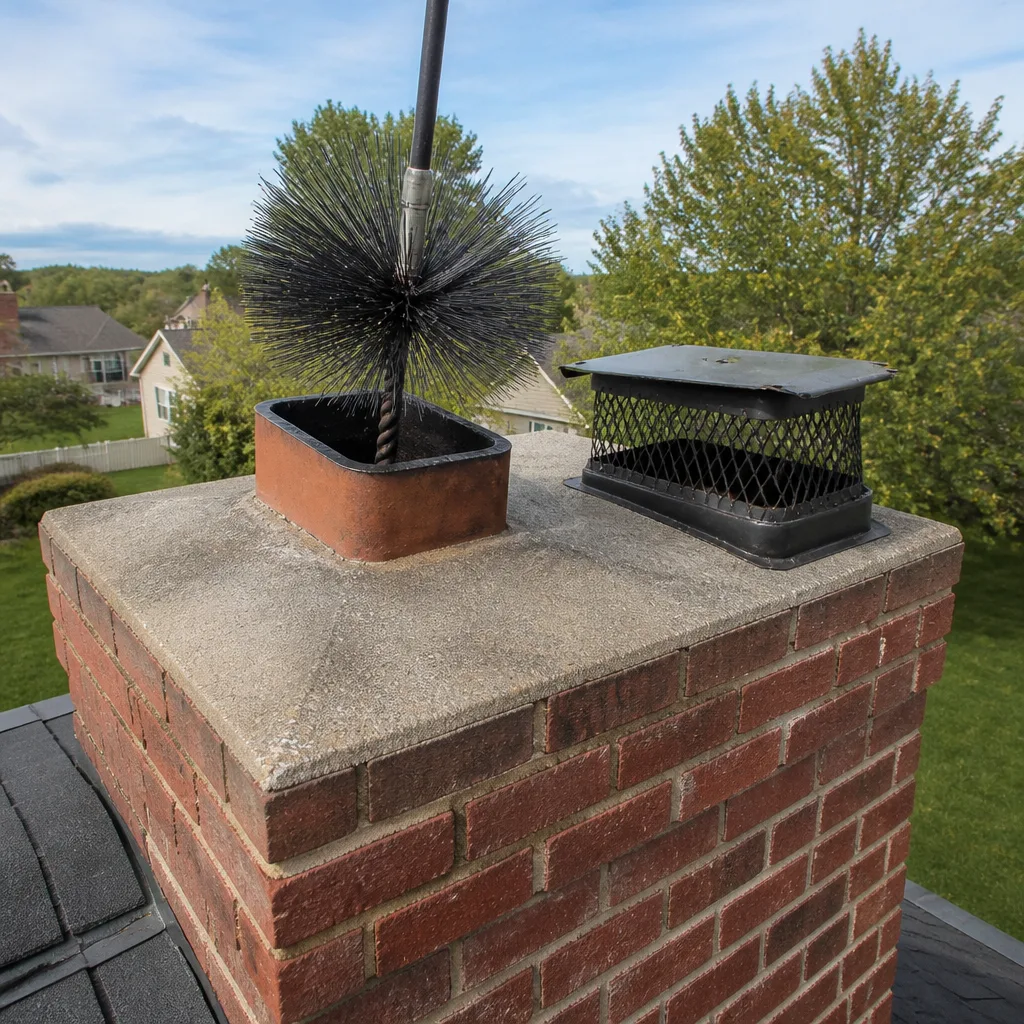 Sweep & inspection
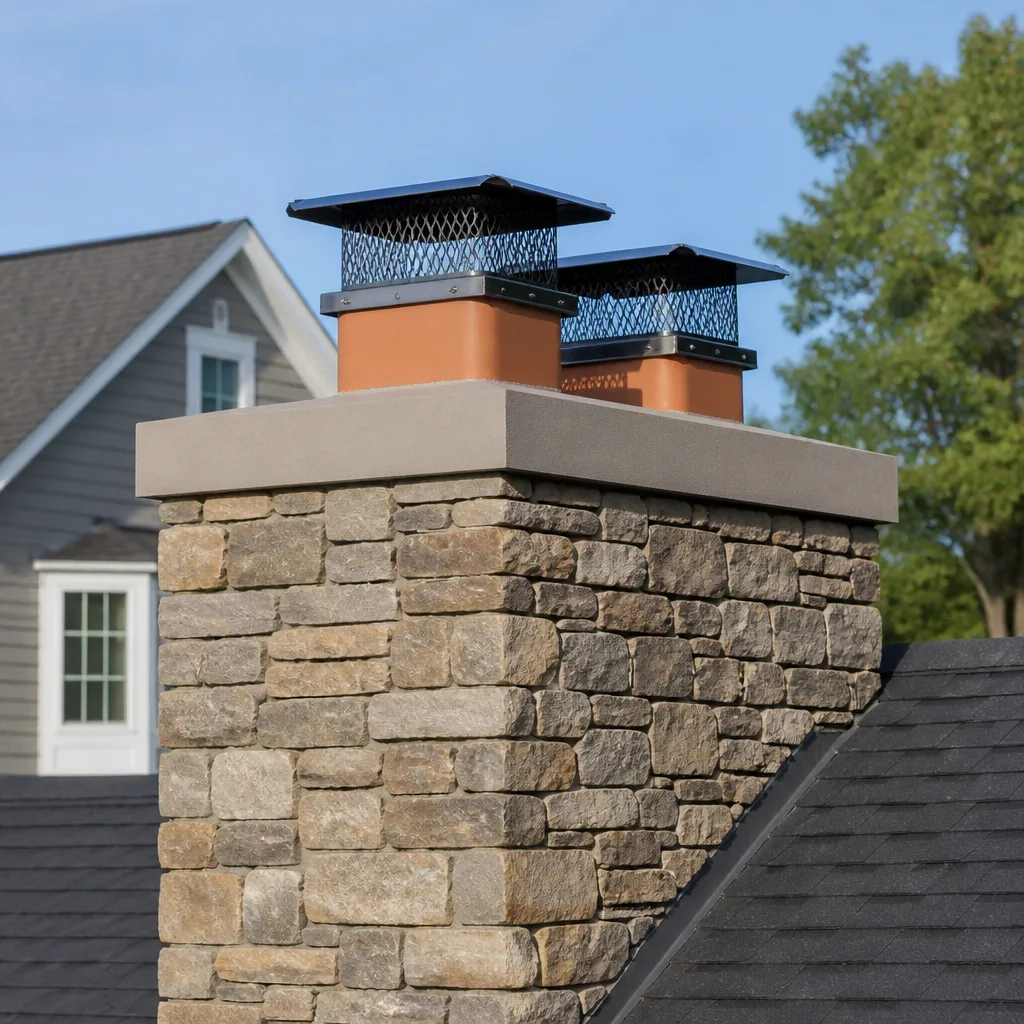 Caps & crowns
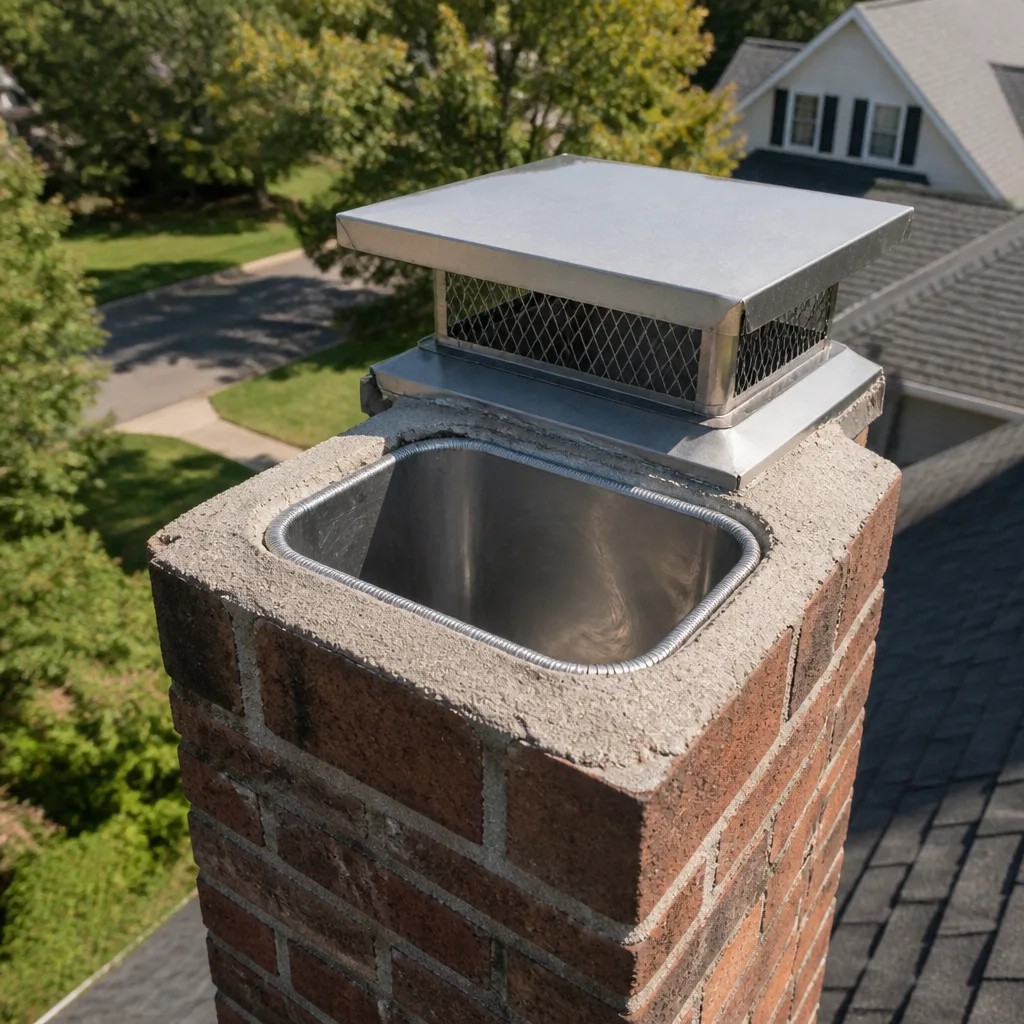 Flue relining
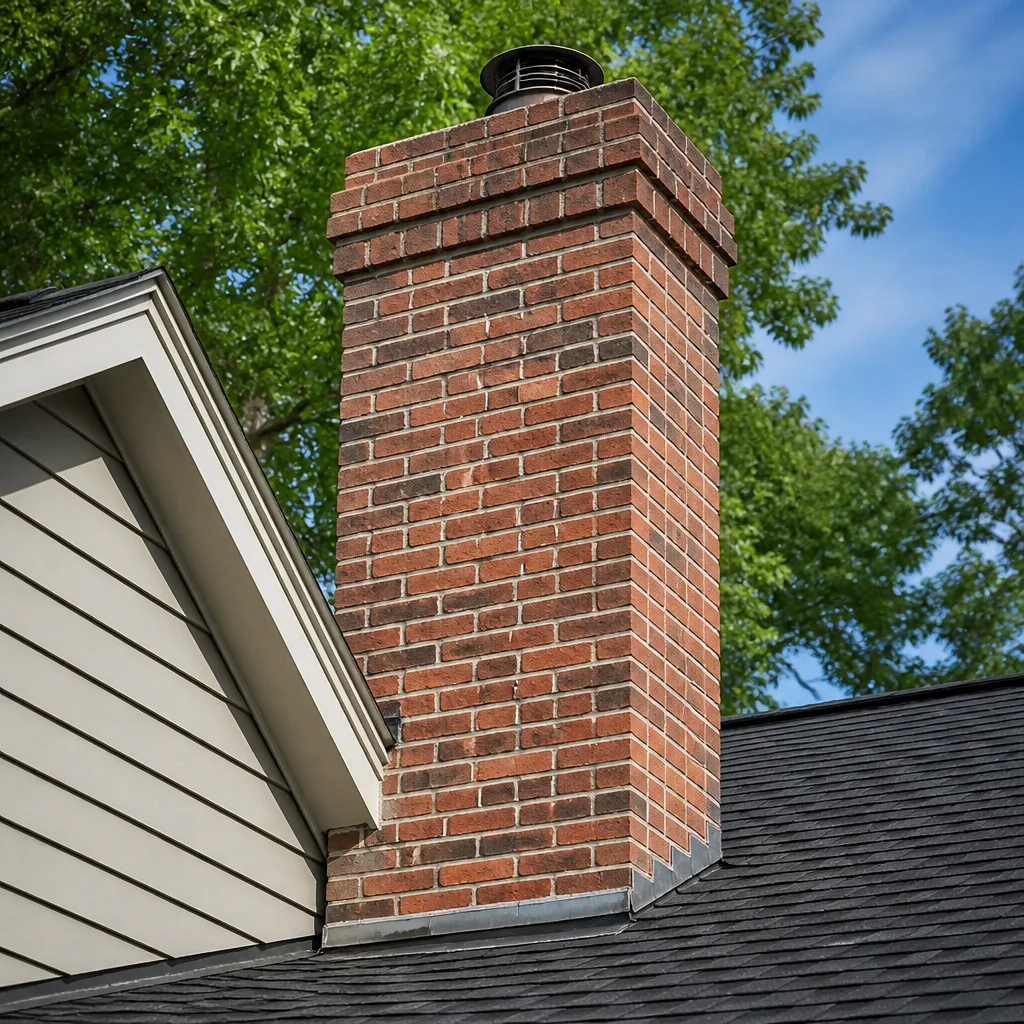 Masonry repair
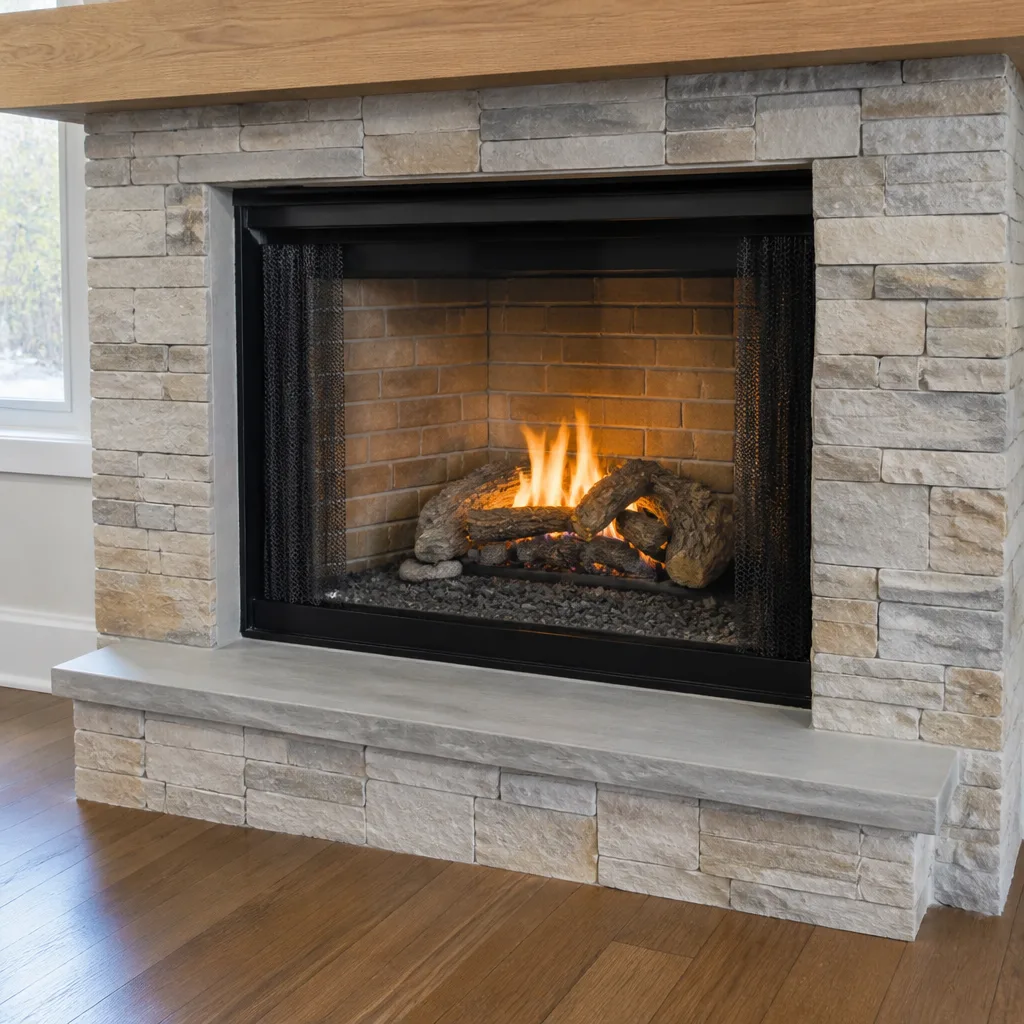 Gas fireplace service
Level 1 sweep and inspection to the NFPA 211 annual standard - flue, crown, cap, and flashing checked and photographed
Chimney sweep logs do not sweep chimneys. They loosen some creosote - which then falls where a brush and vacuum still have to collect it.
Chimney Cleaning Permits, Codes & Inspections in Portola Springs, CA: What You Need to Know
Most homeowners assume that anything a chimney technician does falls under “maintenance” and needs no paperwork. That assumption is where trouble starts. In California, a chimney sweep is maintenance, but a liner replacement or firebox rebuild is a building alteration under Title 24, and pulling a permit for that work is the contractor’s job, not a suggestion. The paperwork gap doesn’t announce itself. It sits quietly in a file until an appraiser, a buyer’s inspector or an insurance adjuster asks for it. This guide maps where the regulatory line actually falls for Portola Springs homeowners: what stays permit-free, what doesn’t, how the HOA review layer works, and how inspection reports fit into a resale.
Quick Answer
Routine chimney sweeping and annual inspections in Portola Springs need no permit. Structural work that alters the chimney or flue – relining, firebox repair, major masonry rebuilds – generally requires an Orange County building permit under California Residential Code Section R1003, plus a separate architectural review approval from the Portola Springs HOA. A CSIA Level 2 inspection report is the document that ties all of it together, because it establishes the chimney’s condition before and after any permitted work. Call (855) 337-1632 for a free estimate. We answer 24/7. Fast dispatch from 7am to 7pm, Sunday through Friday.
Styles & brands we work with
- Sweep & inspection
- Caps & crowns
- Flue relining
- Masonry repair
- Gas fireplace service
Table of Contents
- Maintenance vs. Alteration: Where California Draws the Line
- When Does Chimney Work Actually Require a Permit in Portola Springs?
- The Portola Springs HOA Review Layer
- What a CSIA Level 2 Inspection Report Means in a Real Estate Transaction
- SCAQMD Rule 445 and Wildfire Smoke: How Air Quality Rules Affect Your Fireplace
- Grandfather Clauses and Older Masonry Systems
- Step-by-Step: How a Permitted Chimney Repair Actually Goes
- Common Mistakes to Avoid
Maintenance vs. Alteration: Where California Draws the Line
California Residential Code Section R1003 governs chimneys, fireplaces and vents, and the clearest way to read it is through a single question: does the work change the structure, or just clean it?
Cleaning is maintenance. An annual sweep removes creosote, soot and debris. Inspections are also maintenance-level work when they’re visual. Neither changes the physical system, so neither triggers a permit.
Alteration is different. Any work that modifies the flue, the firebox, the chimney structure or the venting system is generally treated as an alteration. That includes:
- Relining a chimney with a new stainless system
- Resurfacing a deteriorated flue with a cast-in-place liner product
- Rebuilding a firebox or firebox walls
- Replacing a crown when it involves structural masonry repair
- Adding, removing or reconfiguring a fireplace or wood stove
The logic behind the rule is straightforward. A chimney is a combustion venting system, and combustion gases are invisible. A liner that’s installed wrong is not visibly wrong. A permit is one of the few checkpoints that catches a flue installed on the wrong sizing or a firebox rebuilt without the right clearances.
In Portola Springs, where many homes were built with factory-built fireplaces and metal chimney systems, this line matters more than people expect. Factory-built systems often have very specific component requirements, and substituting a part that isn’t engineered for the unit turns a maintenance repair into an alteration. That’s why we keep a supplier stack you can verify: DuraFlex for flexible liner systems, HeatShield for flue resurfacing, and Copperfield and Olympia Chimney for components built to chimney industry specifications. When you can name the material, you can see whether the work meets spec.
When Does Chimney Work Actually Require a Permit in Portola Springs?
In Portola Springs and across Orange County, chimney work that alters the structure or the venting system needs a building permit from the county. Routine sweeping and inspection do not. The permit requirement is about structural safety and code compliance, not about how involved the job feels.
Here’s how the split typically looks:
- No permit required: Annual chimney sweep, visual Level 1 inspection, cap replacement (in most cases), minor crown patching
- Permit generally required: Full relining, HeatShield flue resurfacing, firebox rebuilds, structural masonry repair, adding or removing a fireplace or insert, changing the type of fuel appliance
- Ask your building department: Cap or crown work that involves structural masonry, damper replacement, chimney height adjustments
Permits are pulled by the contractor, not the homeowner. That’s important. If a technician tells you they’ll “let you handle the permit,” that’s a warning sign, not a courtesy. Licensing and insurance requirements differ by state, so always confirm the local pro is licensed and insured as their state requires before work begins. A permit also means an inspection, and an inspection means a second set of eyes on the flue before drywall, masonry or cap work closes it up.
What you should get from a permit-pulled job:
- The permit number and a copy of the approved scope
- A final inspection sign-off from the county
- A written description of materials used (for example, DuraFlex liner spec, HeatShield application scope)
- Before-and-after photos of the flue
If the work is on a flue that’s already deteriorating, a straight chimney sweep won’t address it. The question is whether the liner needs restoration or full replacement, and that’s a permitted repair.
The Portola Springs HOA Review Layer
Portola Springs is a planned community with architectural standards, and that adds a review stage on top of the county permit. Even work the county treats as routine can sometimes require HOA approval if it changes any visible exterior element – chimney caps, corbels, crown material, exterior masonry finish.
Two things trip people up here.
First, HOA approval and the county permit are separate processes. Getting one doesn’t replace the other. A county permit tells the county the work meets code. An HOA architectural review tells the community the work meets the design guidelines. You can end up with an approved permit and a stop-work notice on the same job if only one is in hand.
Second, HOA review often runs on its own calendar. That matters when a repair is time-sensitive. If the flue is deteriorated enough that a burn season is at risk, plan for both review timelines in parallel rather than sequentially.
A few HOA situations that come up in Portola Springs:
- Replacing a chimney cap with a different shroud style or color
- Repointing or resurfacing a visible exterior chimney stack
- Changing crown profile during masonry repair
- Adding venting components that change the exterior silhouette
Interior work like HeatShield resurfacing typically stays inside the county permit box, because nothing visible changes from the street. But it’s worth confirming with your HOA before work is scheduled, not after.
When we set up a chimney cap & crown replacement, we recommend treating HOA review as a known step, not a surprise. We spec components from Gelco and Famco specifically because those units are chosen to fit the flue size and integrate cleanly with the existing stack, which makes the HOA documentation easier to approve.
What a CSIA Level 2 Inspection Report Means in a Real Estate Transaction
A CSIA Level 2 inspection is a comprehensive evaluation of the chimney that goes beyond a glance up the flue, and in a real estate transaction it’s often the difference between a clean close and a delayed one. The report documents the condition of accessible portions of the chimney, the flue, the firebox, the cap, the crown and the venting system, and it can include video scanning of the interior of the flue.
Why it matters for a sale:
California real estate disclosure requirements ask sellers to disclose known material defects. If a Level 2 inspection turns up a deteriorated liner or an unpermitted alteration, the seller generally has a disclosure obligation. That’s not a courtesy – it’s a legal exposure question. A buyer’s inspector who finds unpermitted chimney work can reopen the deal, drag the price, or ask for a credit.
What a Level 2 report actually gives both parties:
- A written condition assessment, itemized by component
- A record of any existing deficiencies (cracked flue tiles, deteriorated mortar joints, damaged crown, improperly sized flue)
- Video and photo documentation you can hand to a buyer, a buyer’s inspector or an insurance provider
- A baseline that establishes pre-existing condition, protecting a seller from later claims about work they didn’t do
We treat inspection as a standalone service, not an upsell bolted onto a cleaning. That’s deliberate. A homeowner who wants a condition report before listing, or a buyer who wants one before removing contingencies, needs the report to say what it says, not what fits a sales pitch.
If the report recommends a repair, you can see the evidence yourself: the camera footage, the inspection photos, the itemized findings. Nothing gets recommended without inside-the-flue documentation you can read.
SCAQMD Rule 445 and Wildfire Smoke: How Air Quality Rules Affect Your Fireplace
SCAQMD Rule 445 regulates wood-burning devices in the South Coast Air Quality Management District, and it affects what kind of fireplace and wood-burning appliance is allowed in Portola Springs and across Orange County. The rule has continuously evolved on the installation side (new wood-burning device installations) and on the no-burn-day side (mandatory curtailment during poor air quality episodes).
What matters in practice:
- New wood-burning fireplace installations are heavily restricted in the district. If a retrofit or replacement approach is under consideration, the compliance question comes before the design question.
- On designated no-burn days, wood-burning is restricted throughout the district, which includes Portola Springs.
- During wildfire smoke episodes, air quality curtailments can be triggered, and the practical effect is the same: no wood fires during those windows.
- Gas and pellet appliances (where permitted) aren’t subject to the same wood-burning restrictions, but they carry their own venting code requirements.
This has an unexpected implication for chimney service timing. Many Portola Springs homeowners figure they’ll get the chimney swept right before the first cold snap. The better timing is in the shoulder months – late summer through early fall, before the burn season starts. Two reasons:
- You get a condition report and any permit-pulled repair work done before the season, not during a no-burn window when you’re already trying to burn.
- Permit and HOA review timelines move faster when the whole community isn’t trying to book the same appointment.
Neither SCAQMD Rule 445 nor wildfire smoke regulations change whether you need a sweep. They change the calendar you plan around. A clean, properly lined flue is what keeps combustion gases out of your living space, and that requirement doesn’t shift with the air quality rules. But a schedule that fits the district’s burn rules keeps you ahead of both problems.
Grandfather Clauses and Older Masonry Systems
Portola Springs is largely a newer community, which means most chimneys here are factory-built systems rather than mid-century masonry. That’s actually good news for the disclosure question: a newer flue has a cleaner paper trail, and the original construction documentation is often more complete.
But “grandfathered” comes up in two situations here:
1. Buyers of older neighboring homes. Orange County has many older masonry chimneys in communities adjacent to Portola Springs. Those chimneys may have been code-compliant with the code in force when they were built, and that composition may still be legal. Grandfathering means the structure is allowed to remain as built. It does not mean you can repair it to the old standard.
2. Repairs on any older chimney. When a chimney requires repair or alteration, most jurisdictions require the repair to meet current code requirements even if the original structure was grandfathered. That means:
- Relining a grandfathered masonry flue to current code, not to whatever liner standard was used originally
- Bringing clearances into code compliance during structural repair
- Upgrading caps, crowns and venting to current standards when those are replaced
The practical upshot is that grandfathering rarely gets you out of a modern repair. It protects the existing structure. It doesn’t authorize a repair built to an obsolete standard.
This is also why material choice matters on older systems. HeatShield resurfacing, for example, can restore a deteriorating flue liner without full demolition, but the resurfacing work itself needs to meet current standards for the flue’s intended use. We use HeatShield because it delivers a code-compliant restoration at a fraction of full rebuild cost – not because it’s a shortcut around code. It isn’t.
If you’re buying a home near Portola Springs and the chimney falls into either situation, get a standalone inspection before removing contingencies. The report tells you what the grandfather clause does and doesn’t cover for that specific chimney.
Step-by-Step: How a Permitted Chimney Repair Actually Goes
The clearest way to understand the permit process is to walk the sequence. Here’s how a permitted repair typically goes in Portola Springs.
- Inspection first. A camera inspection establishes the condition of the flue, firebox, cap and crown. The written report identifies what actually needs repair and what can safely wait. Without inside-the-flue evidence, nothing should be recommended.
- Scope and estimate. We define the exact repair scope: for example, HeatShield resurfacing versus a DuraFlex reline, cap replacement, crown rebuild. The estimate is free, and the price is set per job by the written estimate.
- Material specification. Each material gets selected for the specific flue. HeatShield for resurfacing a deteriorated liner that still has structural integrity; DuraFlex for relining chimneys with offsets or existing damage; Gelco, Famco, Olympia Chimney and Copperfield caps and components sized to the flue, not grabbed off a shelf.
- Permit application. The permit is filed with Orange County before work begins. The scope is attached to the permit. HOA architectural review is filed in parallel if the work touches a visible element.
- Permit issued, work scheduled. Once the permit is issued and (where applicable) the HOA approval is in hand, work is scheduled. Nothing structural starts before both are cleared.
- Repair and inspection. The repair is completed to specification. The county inspector reviews the work. Before and after photos are captured of the flue and the finished component.
- Final sign-off and records. The permit is closed with a final inspection. You keep the permit number, the sign-off and the material documentation for future resale, insurance or HOA records.
What a typical job involves depends on which category it falls into. Cap and crown work usually moves quickly through inspection. Full relining takes longer because the inspection covers the entire flue after the liner is in. Both are straightforward when the paperwork is handled correctly from the start.
If the repair is on a fireplace rather than the flue itself, the sequence is similar, and the scope typically lands in fireplace repair with a separate permit consideration based on what’s actually being altered.
Common Mistakes to Avoid
- Assuming “repair” means “no permit.” A liner or firebox alteration is treated as a building alteration in California, and a permit is generally required. The paperwork gap follows the property through every future sale.
- Handling the permit yourself. If a technician suggests you pull the chimney permit, that’s a warning sign. Permits tied to structural work are the contractor’s responsibility.
- Skipping HOA review. Even a compliant county permit can trigger a stop-work notice in Portola Springs if the exterior change isn’t approved by the architectural committee. File both in parallel.
- Accepting a verbal inspection. A CSIA Level 2 inspection gives you a written report with video and photos. A “looks fine” without documentation gives you nothing at resale or insurance time.
- Buying a home with an unfamiliar chimney system without an inspection. A buyer’s general inspector often doesn’t scan the full flue. The Level 2 inspection is the document a buyer should rely on to understand what they’re inheriting.
- Mixing a factory-built chimney with generic components. Substituting parts on a factory-built system can turn a maintenance repair into an alteration. Use components engineered for the unit: DuraFlex, HeatShield, Gelco, Famco, Olympia Chimney or Copperfield.
- Getting swept the week before burn season. Schedule in the shoulder months so permit and HOA timelines finish before the first no-burn day arrives, not during it.
See the difference
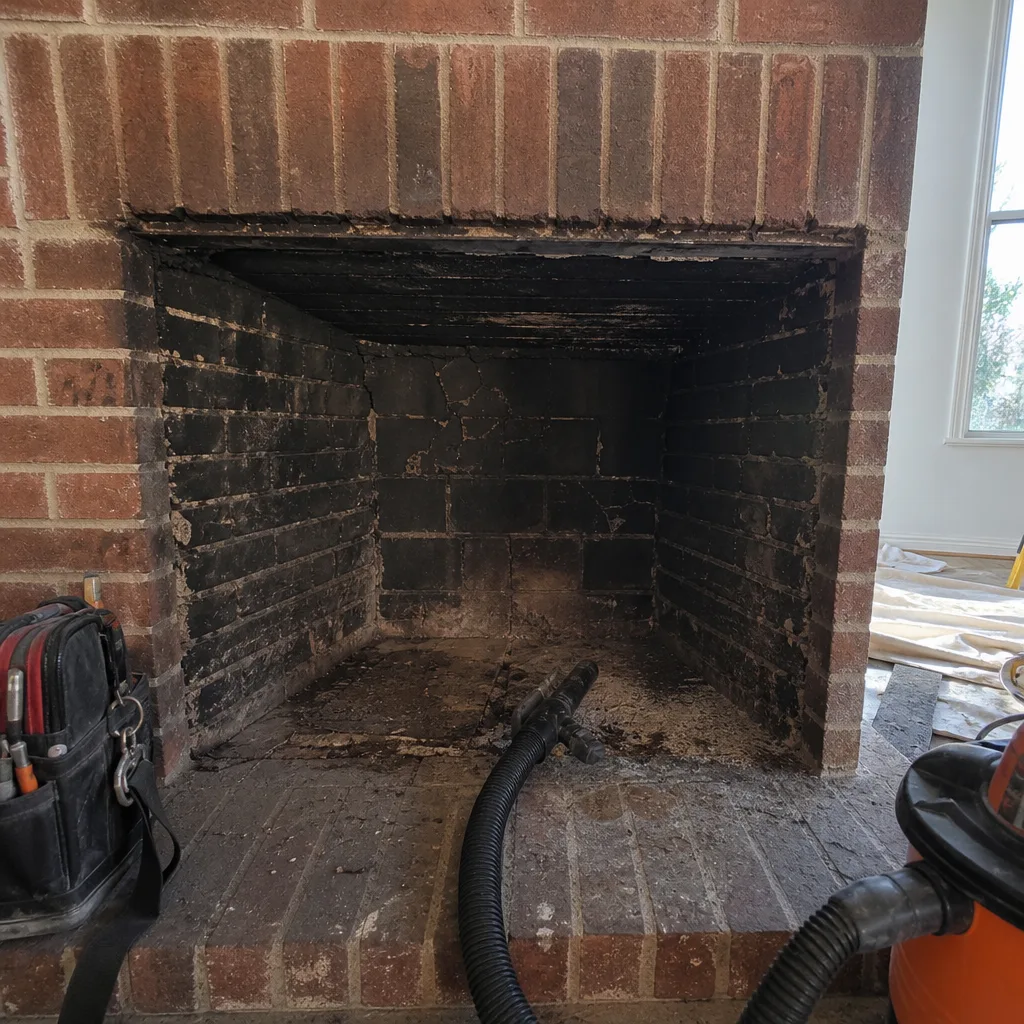 Before
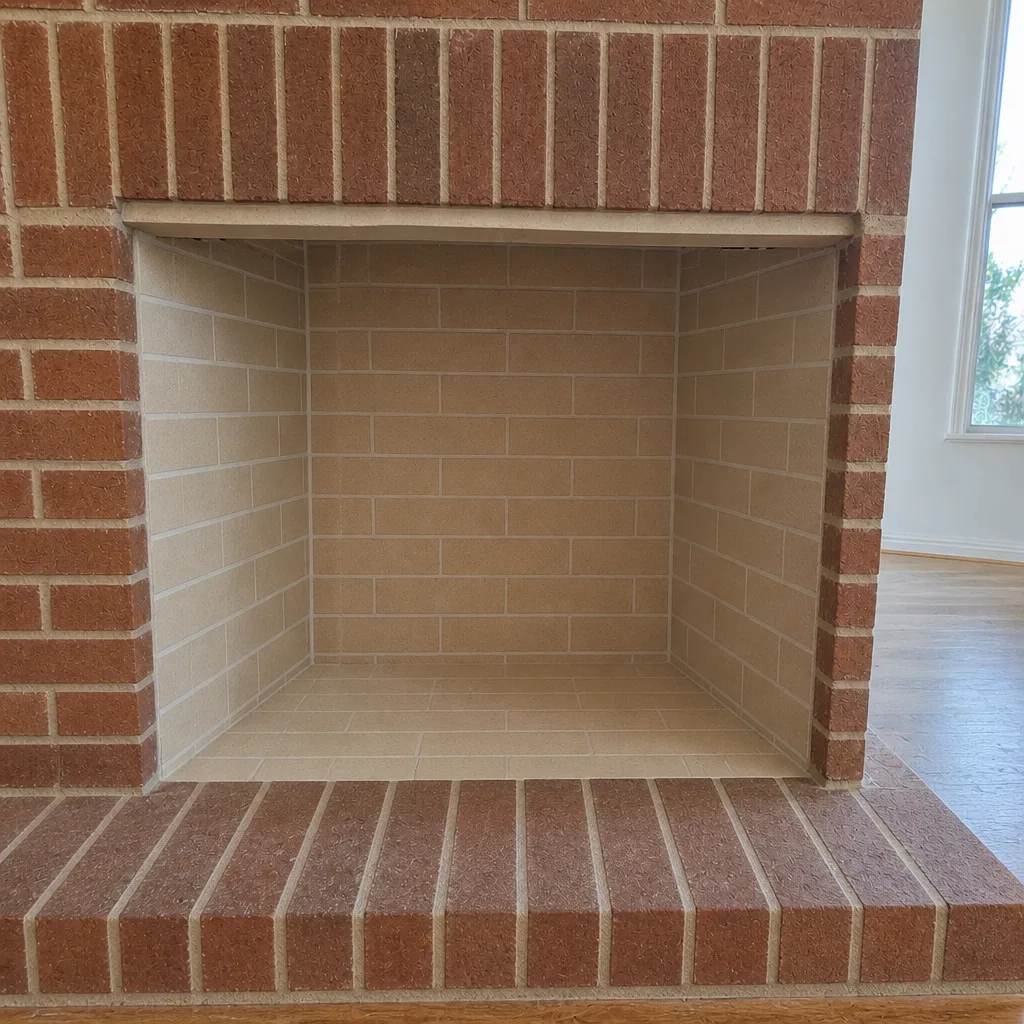 After
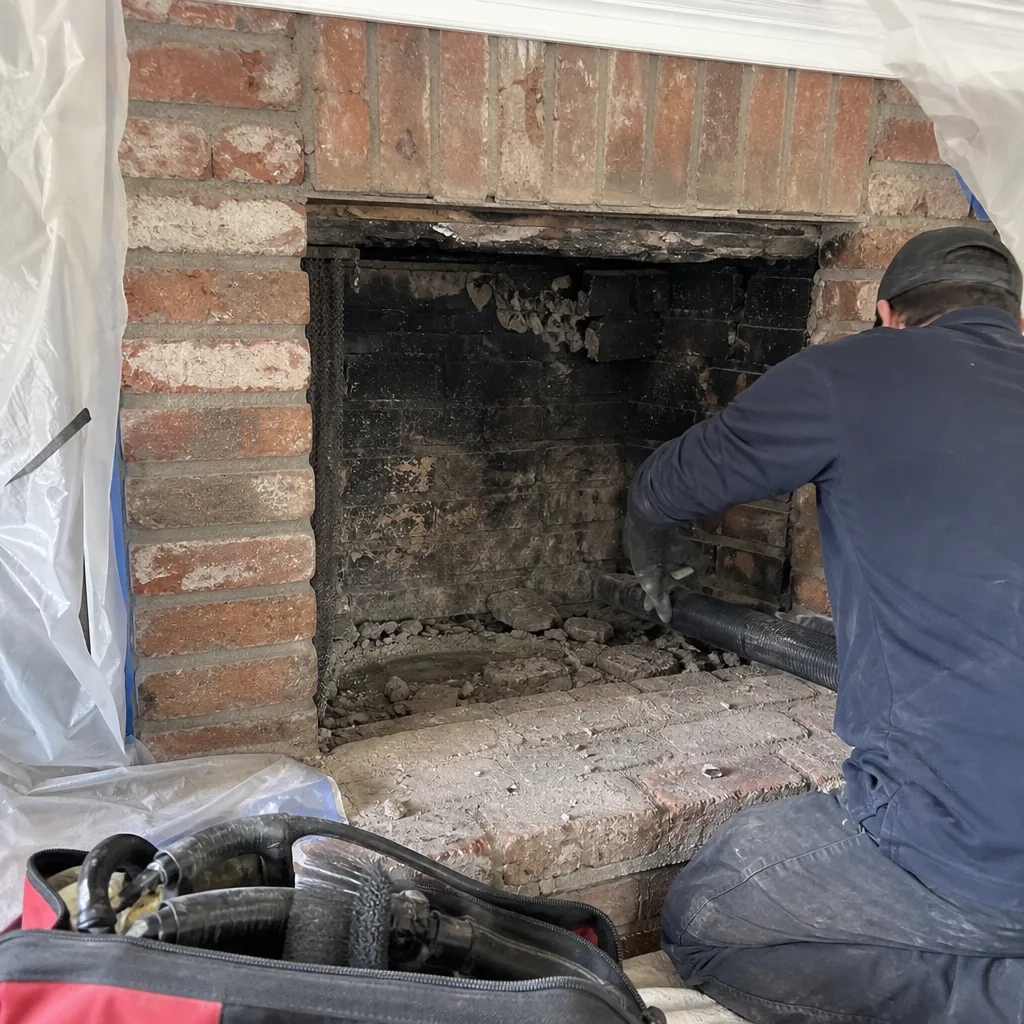 Before
 After
 Before
 After
When to Call a Professional
We recommend calling a chimney professional whenever the question involves the flue rather than the firebox opening, and whenever the answer to “is this a repair or maintenance?” isn’t obvious. A few specific triggers we see in Portola Springs:
You bought or are buying a home with a chimney you haven’t had inspected. You’ve had a chimney fire, however small. You’re noticing staining, a smell, or draft issues. You’re being told by a contractor that a liner replacement is needed, and you want an independent report before pulling the trigger on a repair. You want to know whether a repair can safely wait until after the burn season.
Chimney Sweep Portola Springs offers free estimates in Portola Springs – call (855) 337-1632. We answer 24/7. Fast dispatch from 7am to 7pm, Sunday through Friday. Our technicians have up to 10 years of experience, and every recommendation is backed by inside-the-flue documentation you can read yourself.
Frequently Asked Questions
No. Routine chimney sweeping is maintenance and needs no permit in Portola Springs or anywhere in Orange County. A permit comes into play only when the work alters the structure or venting system, such as relining or rebuilding a firebox. Call (855) 337-1632 for an exact estimate on a sweep. Estimates are free.
Yes, in almost all cases. A liner replacement is treated as a building alteration under California Residential Code Section R1003 and generally requires a permit from the local building department. The permit is pulled by the contractor doing the work. If a technician asks you to handle the permit yourself, that’s worth questioning. Call (855) 337-1632 for a free estimate on a permitted reline.
A Level 1 inspection is a visual check of accessible components, typically done with an annual sweep. A Level 2 inspection goes further: it covers the entire flue, often with video scanning, and it documents the chimney’s condition in writing for real estate transactions, insurance or post-chimney-fire evaluation. If you’re buying or selling a home in Portola Springs, a Level 2 is the right choice. Call (855) 337-1632 for a free estimate on a standalone inspection.
The HOA review is a separate process from the county permit, and both can apply to the same job. If your repair touches a visible exterior element – cap, crown, exterior masonry – architectural review approval is usually required in addition to the county permit. Filing both in parallel keeps the timeline moving. Call (855) 337-1632 to talk through your specific scope and estimate.
You can, but it’s risky in a market where buyers commonly order their own Level 2 inspection. California disclosure rules ask sellers to disclose known material defects, and a pre-listing inspection establishes condition upfront. It also gives you a baseline that protects you from later buyer claims. Call (855) 337-1632 for a free estimate on a standalone inspection report.
No, but it does restrict when and how. Rule 445 regulates wood-burning devices in the South Coast Air Quality Management District, including mandatory no-burn days during poor air quality. During wildfire smoke episodes, curtailments can trigger restrictions. The practical answer: burn on permitted days, keep the flue clean and lined, and schedule your sweep in the shoulder months. Call (855) 337-1632 for a free estimate on a sweep or inspection.
The Bottom Line
The regulatory line for chimney work in Portola Springs is simpler than it looks. Sweeping and inspection are maintenance and need no permit. Structural alteration – relining, firebox rebuilds, structural masonry repair – generally requires an Orange County building permit under California Residential Code Section R1003, plus a separate HOA architectural review when the work touches a visible element. A CSIA Level 2 inspection report is the document that ties it all together, and it’s the document that protects you at resale. Grandfather clauses preserve old structures but rarely excuse modern repairs. SCAQMD Rule 445 sets the calendar, so plan sweeps and permitted repairs in the shoulder months before burn season.
If you’re not sure whether your chimney work needs a permit, or you just want a condition report before the season starts, call Chimney Sweep Portola Springs at (855) 337-1632 for a free estimate. We answer 24/7. Fast dispatch from 7am to 7pm, Sunday through Friday. The local pro is licensed and insured as the state requires, and the estimate is written before any work begins.
Written by the team at Chimney Sweep Portola Springs.