
Last updated November 25, 2026
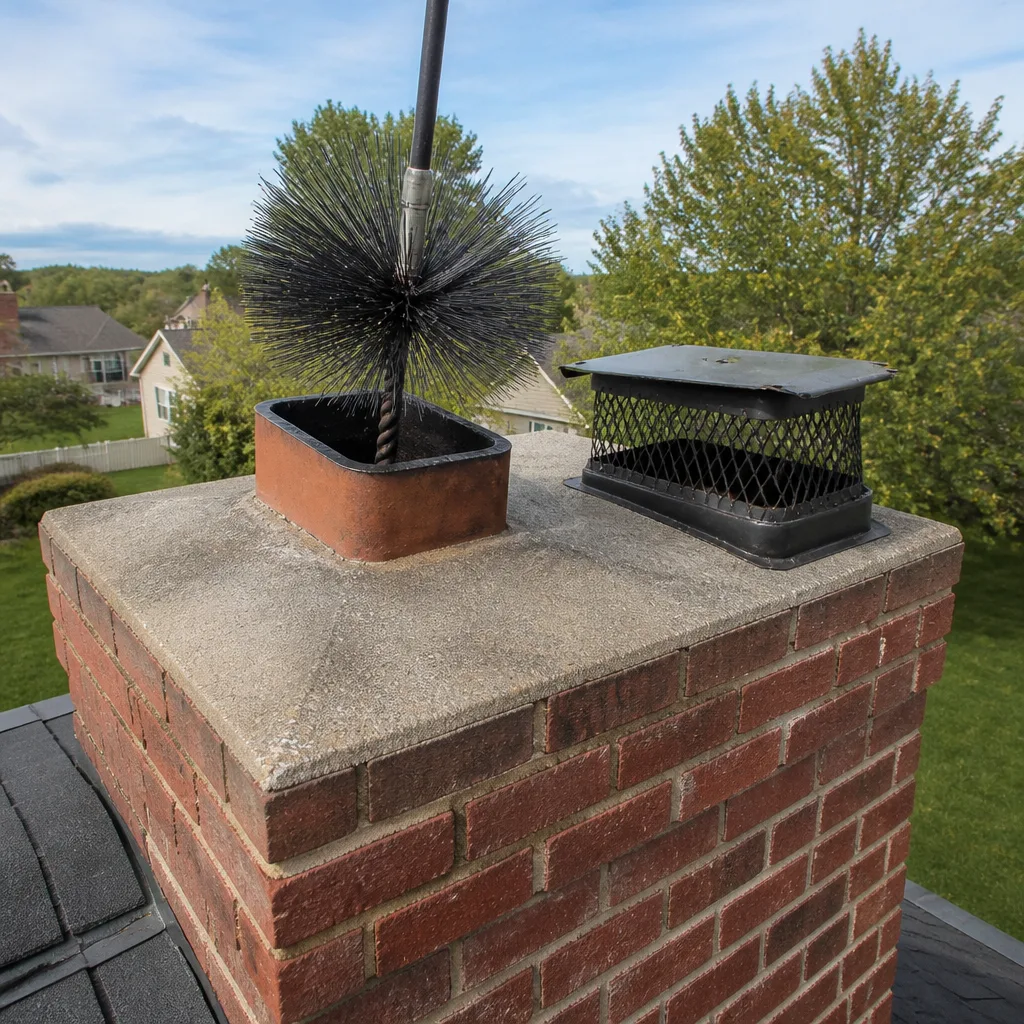 Sweep & inspection
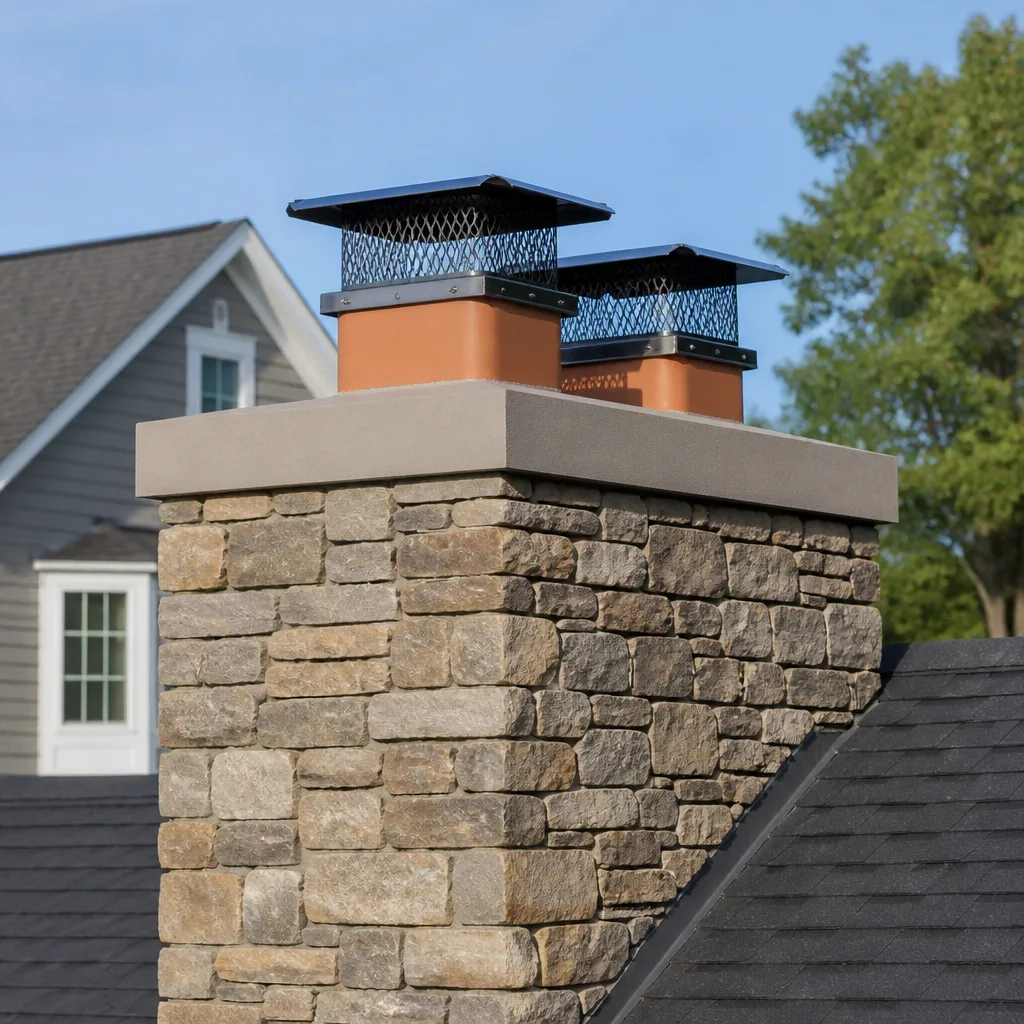 Caps & crowns
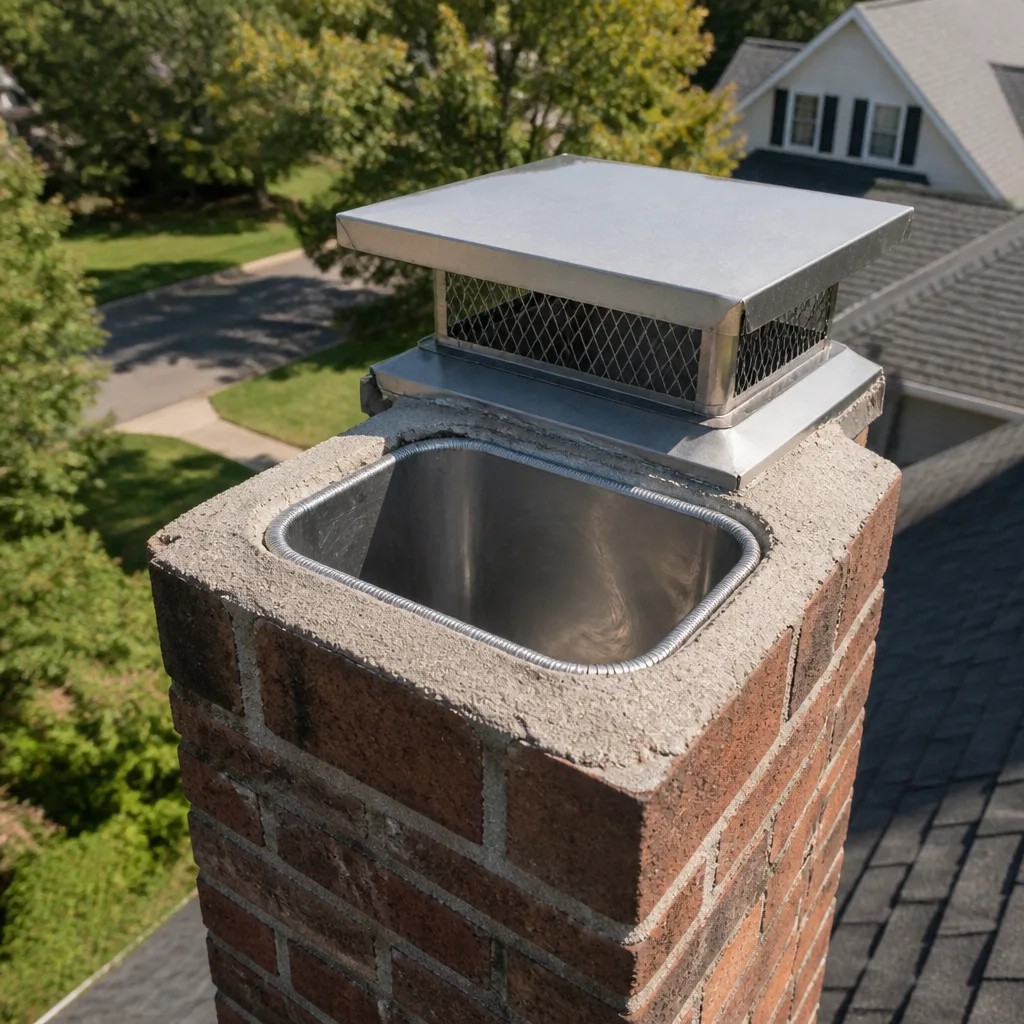 Flue relining
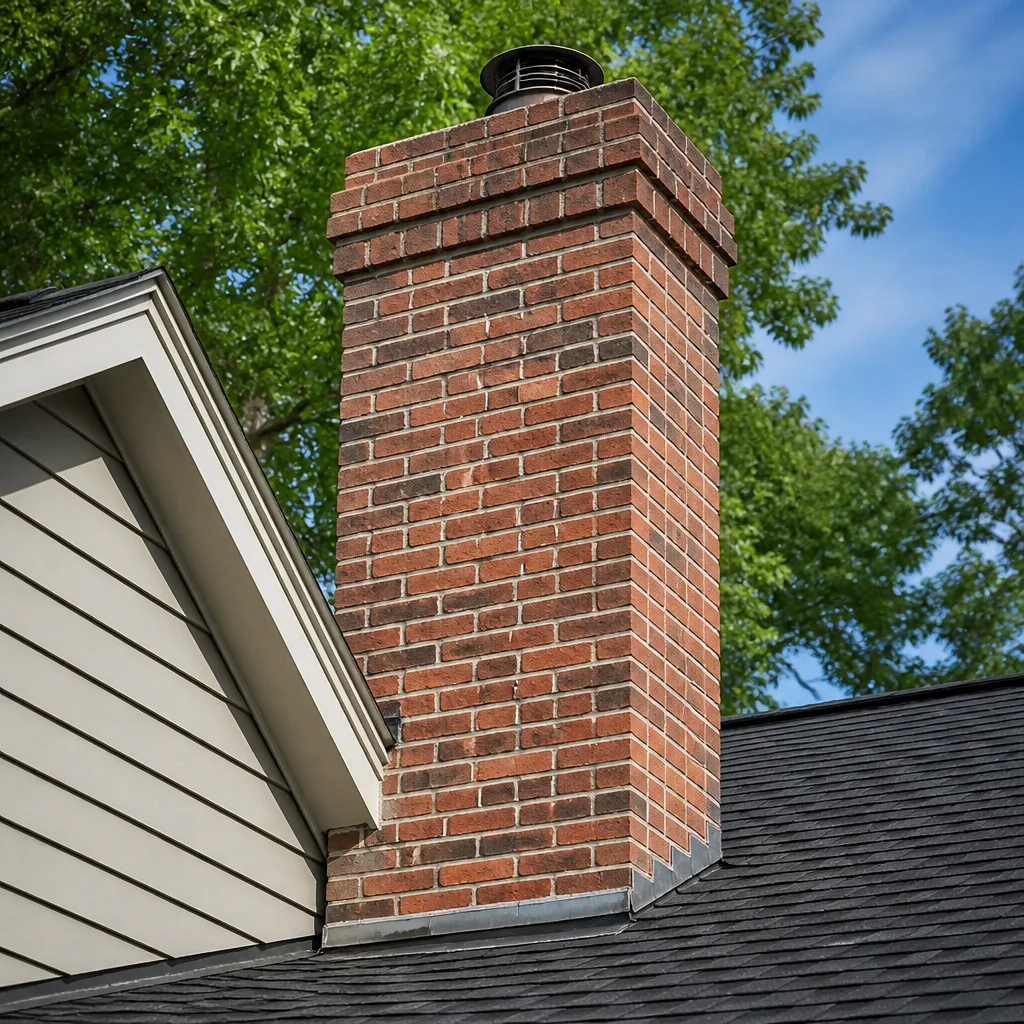 Masonry repair
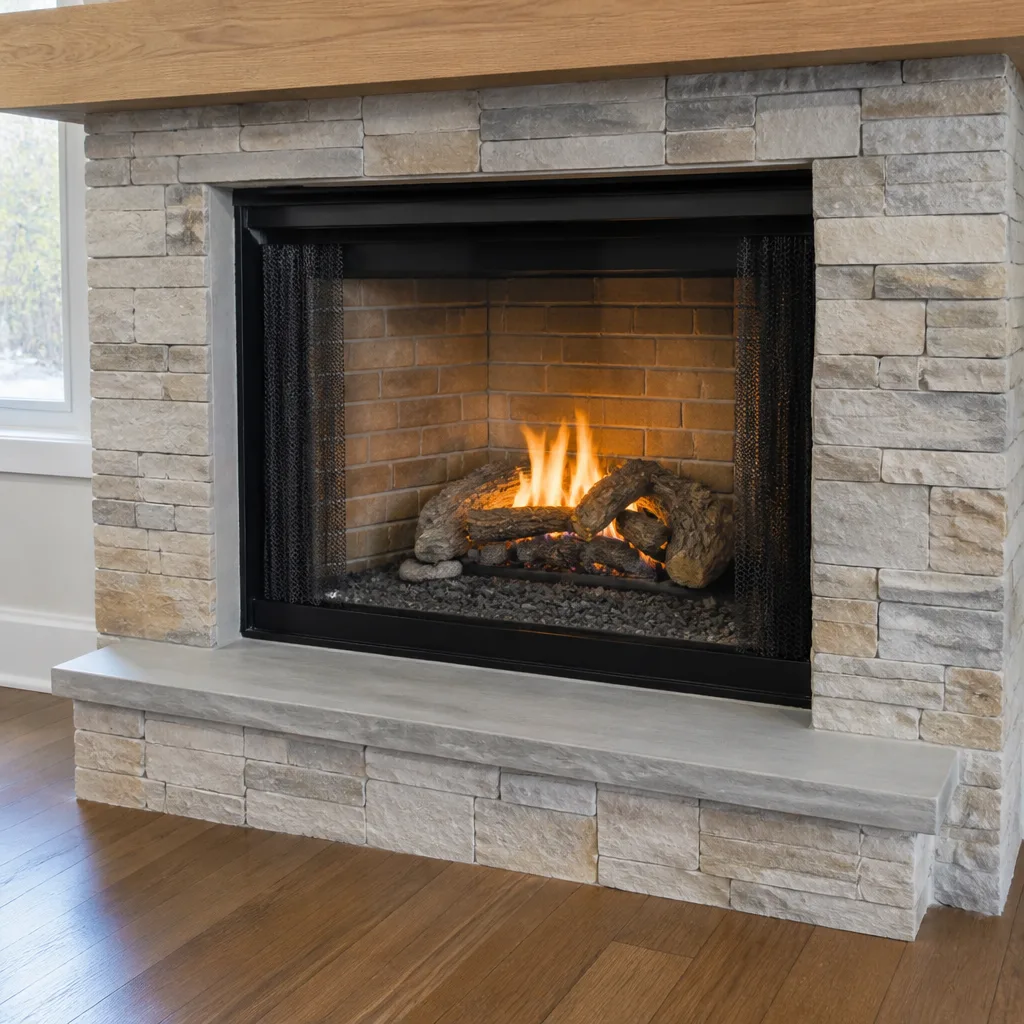 Gas fireplace service
Level 1 sweep and inspection to the NFPA 211 annual standard - flue, crown, cap, and flashing checked and photographed
Chimney sweep logs do not sweep chimneys. They loosen some creosote - which then falls where a brush and vacuum still have to collect it.
Chimney Sweep Troubleshooting in Portola Springs: Common Problems and How to Fix Them
A smoky living room isn’t a chimney problem. It’s a symptom. The actual cause could be one of six completely different defects, and treating the wrong one wastes money every time. We’ve watched homeowners chase creosote buildup for weeks when the real issue was a sealed house starving the fire of air, or buy a new damper when the flue was simply the wrong size for the firebox. In this guide we map each common symptom to its actual mechanical source so Portola Springs homeowners know what they’re dealing with before anyone shows up with a brush. You’ll learn how to tell backdraft from blockage, why a summer smell isn’t always a dirty flue, and which crack patterns matter and which don’t.
Quick Answer
Most chimney problems in Portola Springs trace back to six mechanical causes: negative pressure from tightly sealed newer homes, a flue sizing mismatch, a physical blockage, a rain-saturated firebox, a failing smoke chamber, and a deteriorated flue liner. A trained technician can usually trace a symptom to its real cause in under 20 minutes with a camera and a pressure test. The fix depends entirely on which of those six you have, which is why a standalone inspection before any sweeping or repair work is the smart first step.
Styles & brands we work with
- Sweep & inspection
- Caps & crowns
- Flue relining
- Masonry repair
- Gas fireplace service
Table of Contents
- Backdraft vs. Negative Pressure: The Cause Nobody Checks First
- Flue Sizing Mismatch or Blockage? How to Tell the Difference
- The Summer Campfire Smell: Rain-Saturated Firebox, Not Dirty Flue
- Smoke Chamber Cracks: Settlement vs. Thermal Expansion
- Symptom-to-Cause Reference Table
- What You Can Safely Check Yourself (and What You Can’t)
- Repair vs. Replace: Liner Restoration with HeatShield
- When to Call a Professional
Backdraft vs. Negative Pressure: The Cause Nobody Checks First
If smoke rolls out of the firebox into the room instead of going up, most people assume the flue is clogged. Often it isn’t. In Portola Springs, where a lot of homes were built tight with modern air sealing, windows, doors and weatherstripping hold pressure inside the house. When the fire pulls air up the flue, the house has nowhere to draw makeup air from, so the chimney can’t draft. The fire smolders, smoke backs up, and the flue may be spotless the entire time.
Here’s how we separate the two:
- Crack a window near the fireplace and relight. If the smoke clears up immediately, you have a negative pressure problem, not a blockage.
- Check exhaust fans. A kitchen hood, bathroom fan or dryer running nearby competes with the chimney for air. Turn them off and see if the draft improves.
- Look at the cap. A cap that’s too low or blocked by debris restricts flow, which mimics pressure problems.
- Run a smoke test or pressure gauge. A technician can measure the pressure differential at the firebox and confirm whether the house or the flue is the culprit.
If it’s negative pressure, the fix is often a makeup air source or a properly sized cap, not a sweep. If it’s a blockage, you’ll see it on camera. That distinction matters because a sweep won’t solve an air-starved fire, and a new air source won’t fix a bird’s nest in the flue. Our chimney sweep service always starts with checking both.
Flue Sizing Mismatch or Blockage? How to Tell the Difference
From the living room, a flue that’s too big and a flue that’s blocked look identical: smoke spills, the fire burns weak, and nothing seems to help. But the underlying cause and the fix are on opposite ends of the spectrum.
A blockage is physical. Creosote, a bird nest, a collapsed liner section, or debris from a damaged crown sits inside the flue and restricts flow. Cameras find it fast, and a sweep or repair clears it.
A sizing mismatch is structural. The firebox opening is sized for a larger flue than the one installed, or the flue was downsized at some point. The chimney pulls too little air relative to the fire, and no amount of sweeping will fix it. Common in homes where a fireplace insert was added later without resizing the flue, or where a builder used a standard flue that doesn’t match the opening.
How to tell them apart before the inspection visit:
- Has the problem always been there, or did it start recently? Always-there points to sizing; recent points to a blockage.
- Does the draft improve in cold weather? Cold air improves draft, which leans toward sizing.
- Does the fire smell smoky even when the flue is clean? That leans sizing.
- Did a previous owner add an insert, a new cap or a liner? That’s a red flag for a mismatch.
We measure the firebox opening and the flue cross-section on every inspection. Measuring the flue and matching it to an insert or firebox is the only reliable test. A wrong flue size is one of the reasons we insist on a standalone Chimney Sweep Portola Springs inspection before committing to a repair plan.
The Summer Campfire Smell: Rain-Saturated Firebox, Not Dirty Flue
If your fireplace smells like a campfire in July, the instinct is to book a sweep. But in most cases, the smell comes from moisture, not creosote. Summer humidity, a missing or damaged cap, or a crack in the crown lets rain and damp air into the firebox. The porous firebrick and mortar soak it up, and the moisture reacts with leftover ash and soot to produce that smoky, sour smell. You notice it more in warm weather because the chimney doesn’t draft, so nothing carries it out.
This changes the repair priority. A sweep removes creosote, but it won’t stop a summer smell if the real problem is water intrusion. What actually stops it:
- A properly fitted cap. This is the single most effective fix. We install Famco and Gelco caps sized to the flue, which keeps rain and animals out.
- Crown repair. A cracked crown lets water run down into the smoke chamber. We handle that under our chimney cap & crown work.
- Drying out the firebox. Once the source is capped, the brick dries, and the smell fades.
- A sweep, if creosote is present. Sometimes there’s both moisture and buildup, so a sweep plus a cap solves it.
We stock Copperfield and Famco caps because a well-sealed cap is the difference between a firebox that stays dry and one that turns into a damp, smelly problem every summer.
Smoke Chamber Cracks: Settlement vs. Thermal Expansion
The smoke chamber is the sloped area above the damper that funnels smoke into the flue. It’s where a lot of hidden problems live, and the crack patterns tell you what kind of damage you’re looking at.
Thermal expansion cracks are typically fine, hairline cracks that follow the joint lines between bricks or mortar courses. They happen because the masonry heats and cools season after season. They’re common and usually harmless, but they still let smoke and gases seep past if they widen.
Structural settlement cracks are different. They cut across bricks, run in patterns that don’t follow the joints, and often appear alongside a shifted damper, a sloped or sagging crown, or a visible gap at the top of the smoke chamber. Those point to a chimney that’s moving, and they need a real repair, not a patch.
Why this matters: a smoke chamber that’s cracked or rough restricts draft, so smoke backs up even with a clean flue. Parging the smoke chamber smooth and sealing cracks is a common fix, and it’s a job that belongs to a specialist, not a general handyman with a bag of mortar.
We check the smoke chamber and the firebox on every fireplace repair visit. It’s often the missing piece when the rest of the chimney looks fine on the surface.
Symptom-to-Cause Reference Table
Use this table before your inspection visit. Give the technician the exact symptom you’re seeing, and the inspection can target the right area from the start. That saves time and, in many cases, saves money on unnecessary work.
| Symptom | Most Likely Cause | First Check |
|---|---|---|
| Smoke rolls into the room on light | Negative pressure or flue sizing mismatch | Crack a window; check exhaust fans |
| Smoke only when the roof cap is blocked | Restricted cap or debris | Cap height and condition |
| Weak draft, fire burns slow | Blockage or undersized flue | Camera sweep |
| Campfire smell in warm weather | Rain-saturated firebox or missing cap | Cap and crown condition |
| Creosote odor in cold weather | Creosote buildup | Sweep |
| Smoke seeping from the damper area | Smoke chamber cracks | Smoke chamber inspection |
| Visible cracks across brick | Structural settlement | Crown and damper alignment |
| Rust or water in the firebox | Failed crown or cap | Crown repair, cap replacement |
What You Can Safely Check Yourself (and What You Can’t)
Some symptoms you can confirm from the living room, and that information is genuinely useful. Others carry real risk, and the smart move is to leave them alone and let a trained technician look.
What you can safely do:
- Open a window and relight the fire to test for negative pressure.
- Turn off nearby exhaust fans and see if draft improves.
- Look up the flue with a flashlight from the firebox. If you can’t see daylight, that’s a signal, not a diagnosis.
- Note when the problem started and what changed (new insert, new cap, new windows, a remodel).
What you should never do yourself:
- Climb onto the roof to inspect the cap or crown.
- Reach up the flue to feel for blockage.
- Pry at the damper, smoke chamber or any masonry.
- Run a brush up a flue you can’t see through.
Roof work is the biggest danger. Chimney tops are steep, often wet, and one slip is the end of the conversation. The masonry up there is also under stress, and probing a loose cap or crown can dislodge it. Our technicians have up to 10 years of experience, and they wear fall protection on every roof because the risk isn’t worth guessing.
Repair vs. Replace: Liner Restoration with HeatShield
When a flue liner is cracked, spalling or has gaps at the joints, the first instinct is to assume a full rebuild. That’s rarely necessary. HeatShield is a resurfacing system that restores a deteriorating liner from the inside, sealing cracks and rebuilding a smooth, durable surface without demolition. It extends flue life at a fraction of the cost of a full tear-out, and it’s a repair most competitors simply don’t offer.
When we recommend one over the other:
- HeatShield works best on liners with moderate cracking, joint gaps or flaking, where the structure is still sound.
- A new flexible liner system (we install DuraFlex) is the right call when the existing liner is offset, collapsed or missing, or when a system change (like adding an insert) requires relining.
- A full rebuild is reserved for chimneys with serious structural movement, damaged outer masonry or settlement that a liner can’t fix.
We name the material because it matters: a heat-rated resurfacing system and a proper flexible liner aren’t interchangeable, and the decision should be based on camera evidence inside the flue, not a guess. We show the homeowner the photo report and explain the reasoning before any work is scheduled.
Common Mistakes to Avoid
- Blaming creosote for every draft problem. In tightly built Portola Springs homes, negative pressure is often the cause, and a sweep won’t fix it. Test the window-and-fan method before booking a sweep.
- Buying a cap off the shelf. A cap that doesn’t match the flue size restricts draft or lets rain in. We size Famco and Gelco caps to the actual flue, not the closest match.
- Ignoring a summer smell. A campfire smell in warm weather usually means water intrusion through a missing cap or cracked crown. Left alone, it works moisture deeper into the firebox.
- Assuming a crack means a rebuild. Most smoke chamber and liner cracks can be repaired with HeatShield or parging. Get a camera inspection first.
- Hiring a general handyman for chimney repair. Chimney work needs heat-rated materials and a system-level understanding. A generic patch on a smoke chamber fails the first cold season.
- Skipping the standalone inspection. Bundling a quick assessment into a sweep often means problems get diagnosed only when the brush is already out. Ask for an inspection you can see the report from.
- Not writing down the symptom before the visit. When it started, what changed, and what the fire was doing gives the technician a head start. Bring notes, even short ones.
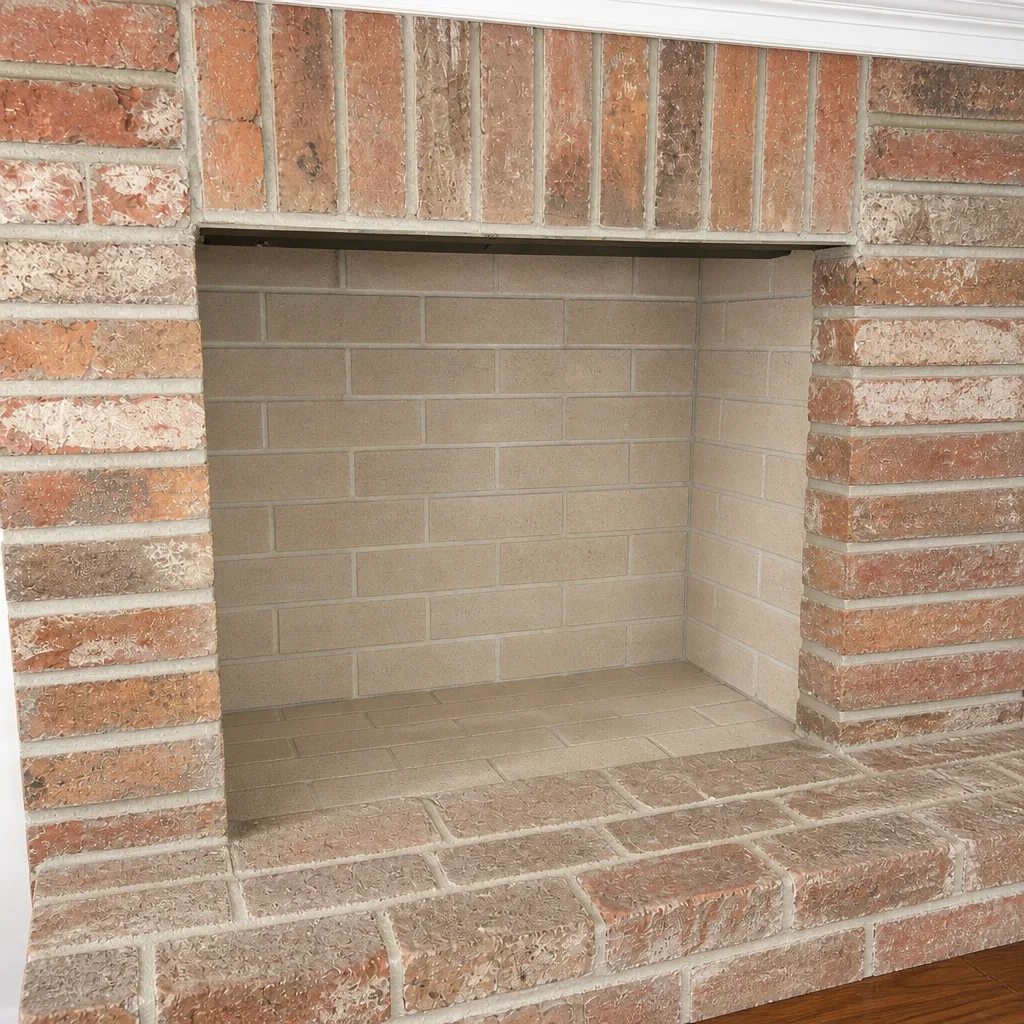
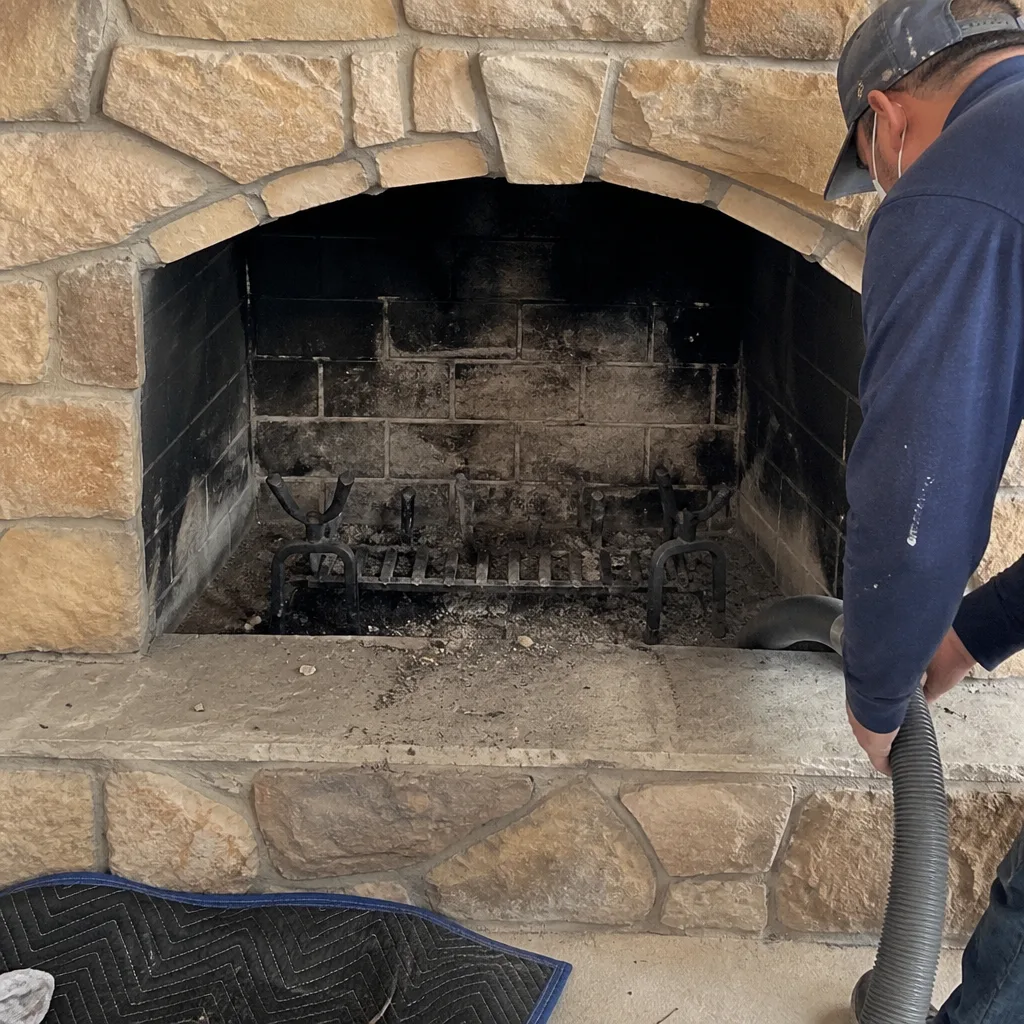
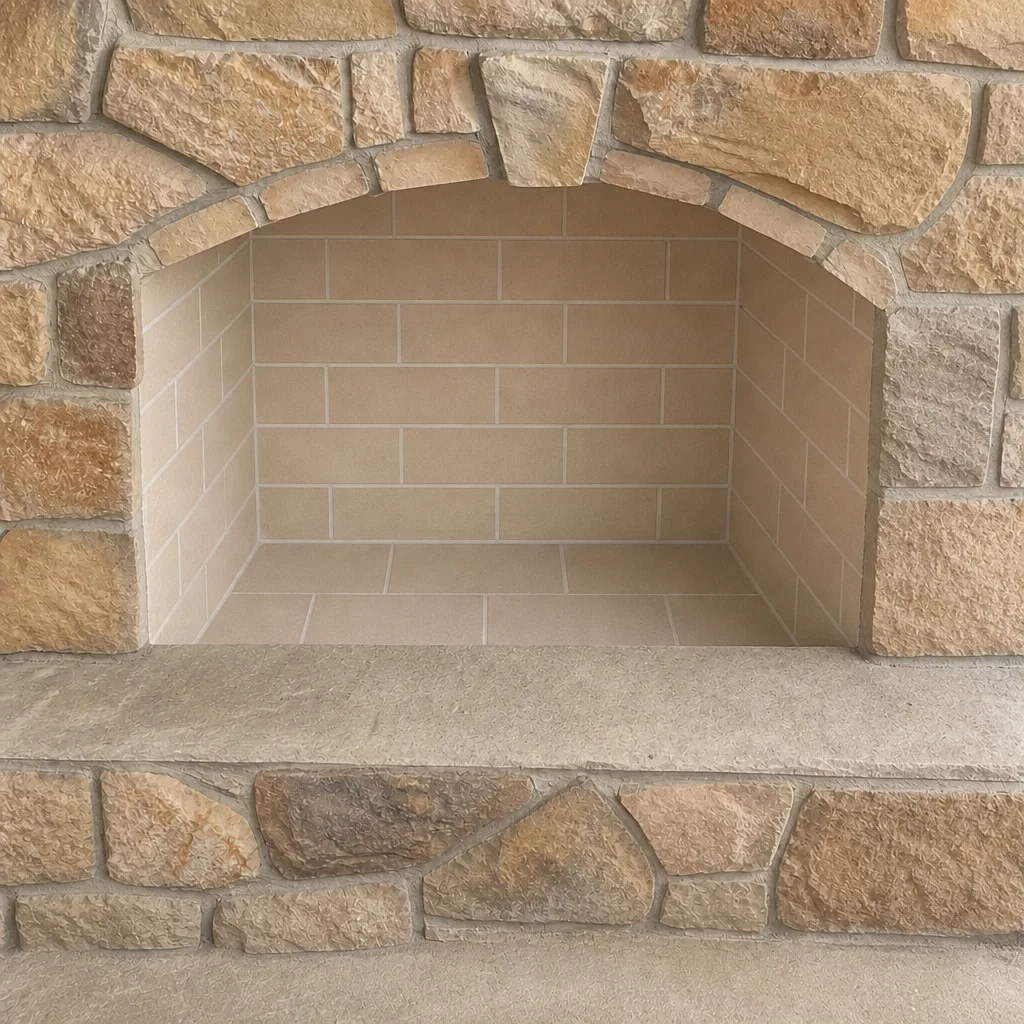
See the difference
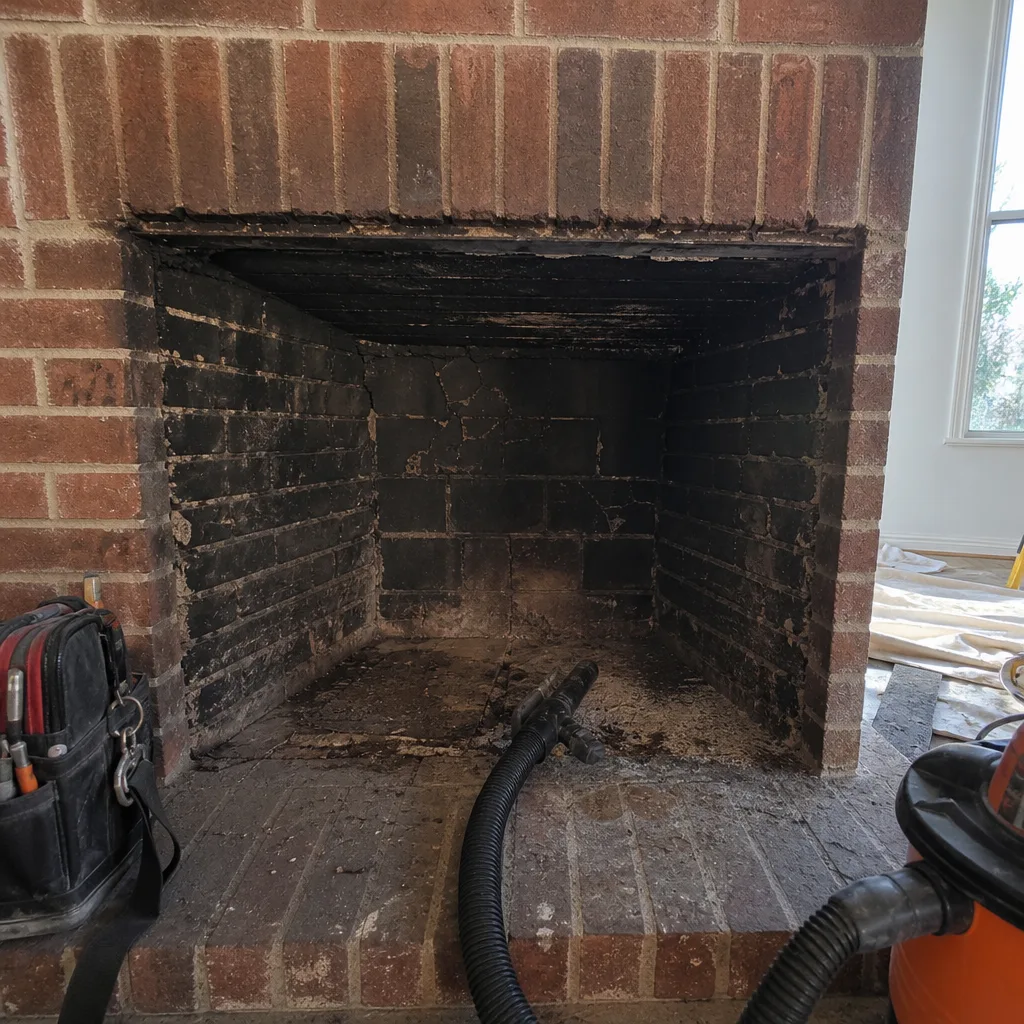 Before
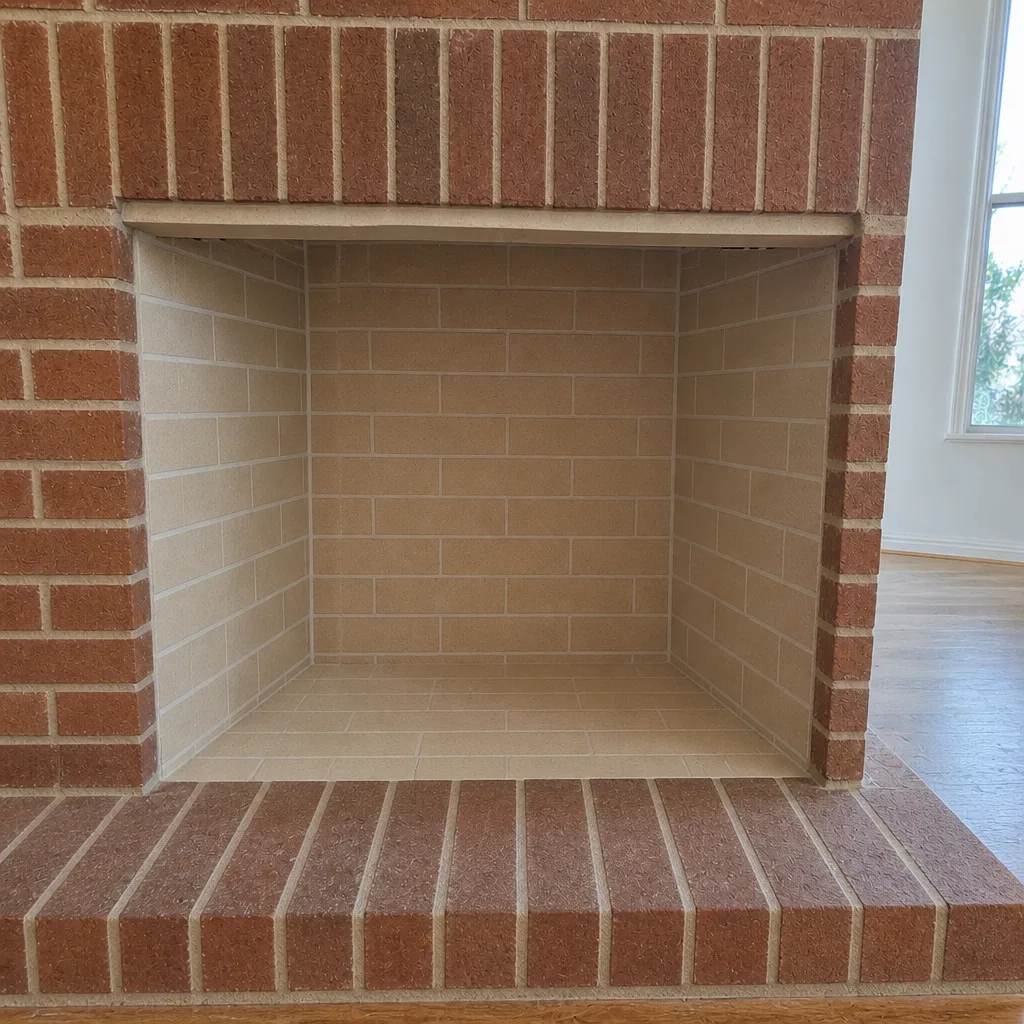 After
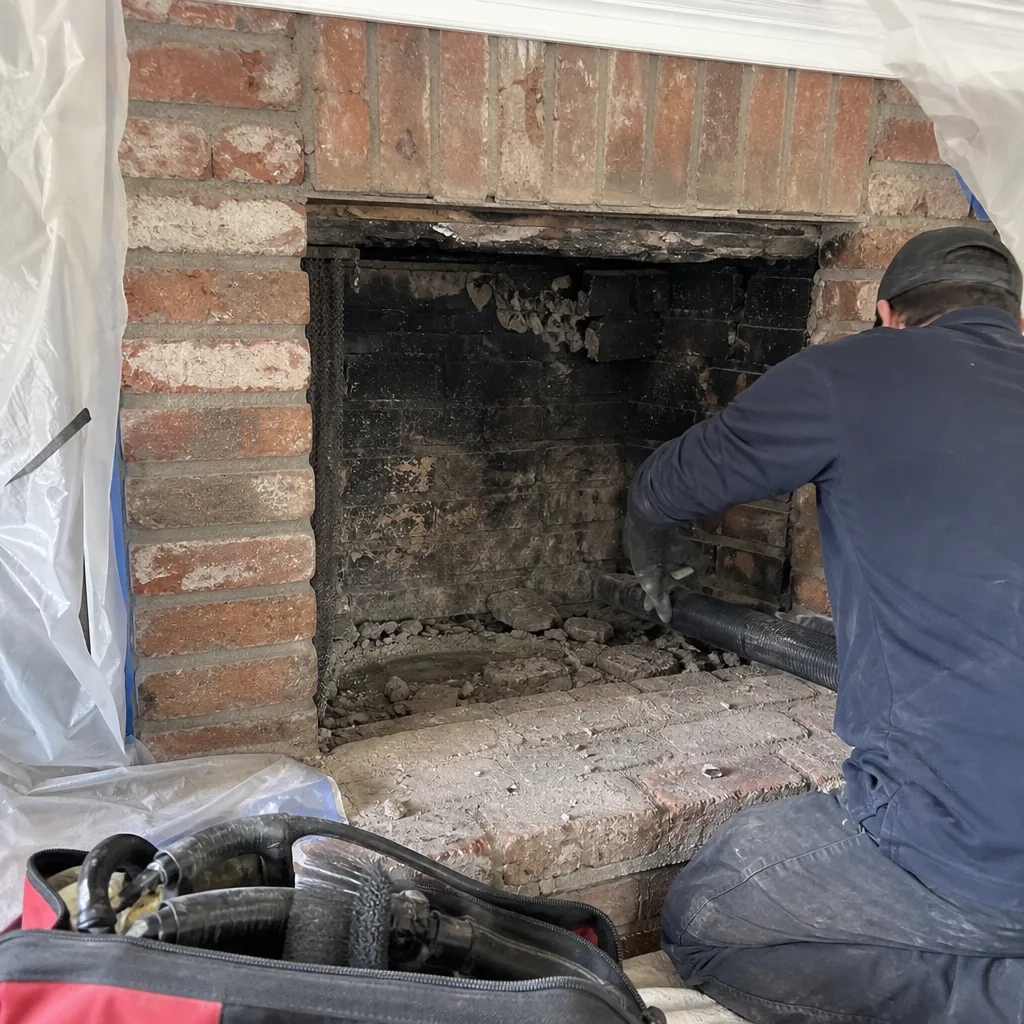 Before
 After
 Before
 After
When to Call a Professional
Call a professional if you see any of the following: smoke rolling into the room, a persistent campfire smell in warm weather, visible cracks that cut across brick, water or rust inside the firebox, a cap that’s loose or missing, or a flue you’ve never had inspected. These are the signs that point to a system problem, not a simple sweep. A trained technician can trace most of them to a mechanical cause in under 20 minutes with a camera and a pressure test. Chimney Sweep Portola Springs offers free estimates in Portola Springs. Call (855) 337-1632. We answer 24/7. Fast dispatch from 7am to 7pm, Sunday through Friday.
Frequently Asked Questions
In most Portola Springs homes, smoke spilling into the room with a clean flue points to negative pressure, not a blockage. Modern air-sealed homes hold pressure inside, so the fire starves for makeup air and the chimney can’t draft. Crack a window near the fireplace and relight: if the smoke clears, that’s your answer. Call (855) 337-1632 for a pressure test and a proper fix.
A blockage tends to start suddenly and gets worse, while a sizing mismatch is usually there from day one. Cold weather improves draft on a mismatched flue, while a blockage stays blocked regardless of temperature. A camera sweep and a cross-section measurement are the only reliable tests. Call (855) 337-1632 to book an inspection.
A summer campfire smell usually means the firebox and brick have absorbed moisture from rain intrusion, not that the flue is dirty. A missing or damaged cap, or a cracked crown, lets water in, and the damp soot produces that smoky odor. Fixing the cap and crown is the priority. Call (855) 337-1632 for a cap and crown check.
Many liners can be restored rather than replaced. HeatShield resurfacing seals moderate cracking and joint gaps without demolition, while a fully collapsed, offset or missing liner needs a new flexible system such as DuraFlex. The decision should come from a camera report you can see. Call (855) 337-1632 to schedule one.
Thermal cracks are fine, hairline, and follow the mortar joints. Settlement cracks cut across the face of bricks, run in patterns that ignore the joints, and often come with a shifted damper or a sagging crown. The second kind needs a real structural repair. Call (855) 337-1632 if you’re not sure which you have.
No. Roof work is the part of chimney troubleshooting that carries the most risk, between the height, the pitch and the condition of the masonry itself. Stay off the roof and let a trained technician handle the cap, crown and flue from up there. Our technicians have up to 10 years of experience and use fall protection. Call (855) 337-1632 for a roof-level inspection.
The Bottom Line
Chimney troubleshooting starts with the right question: what is the symptom actually telling you? Smoke in the room usually means negative pressure or a sizing mismatch, not a dirty flue. A summer campfire smell usually means a wet firebox, not creosote. Cracked masonry on the smoke chamber means a settlement problem or a harmless thermal crack, and the two look different if you know what to look for. The fix depends entirely on the cause, and the cause should come from a camera inspection, not a guess. Chimney Sweep Portola Springs works with DuraFlex, HeatShield, Gelco and Copperfield because the right material makes the repair last. Call (855) 337-1632 for a free estimate. We answer 24/7. Fast dispatch from 7am to 7pm, Sunday through Friday.
Written by the team at Chimney Sweep Portola Springs.