
Last updated November 25, 2026
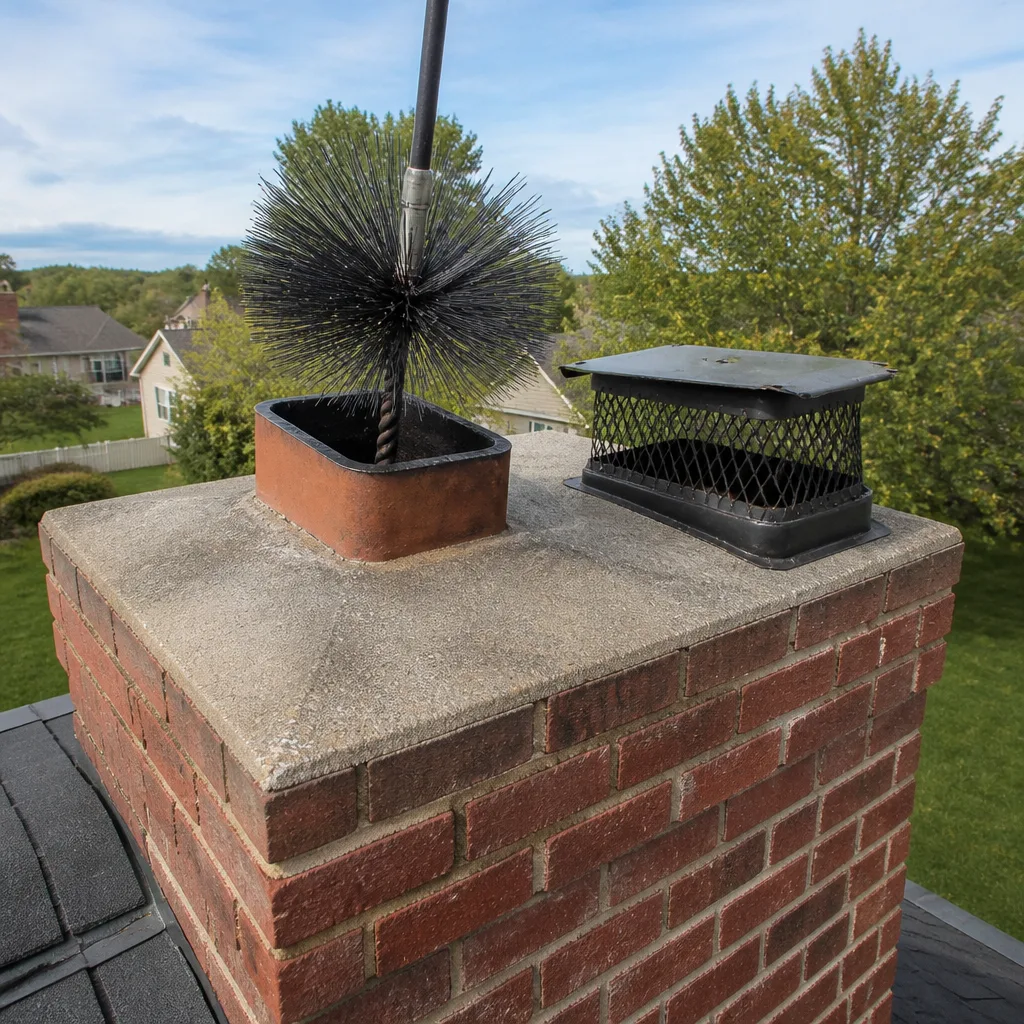 Sweep & inspection
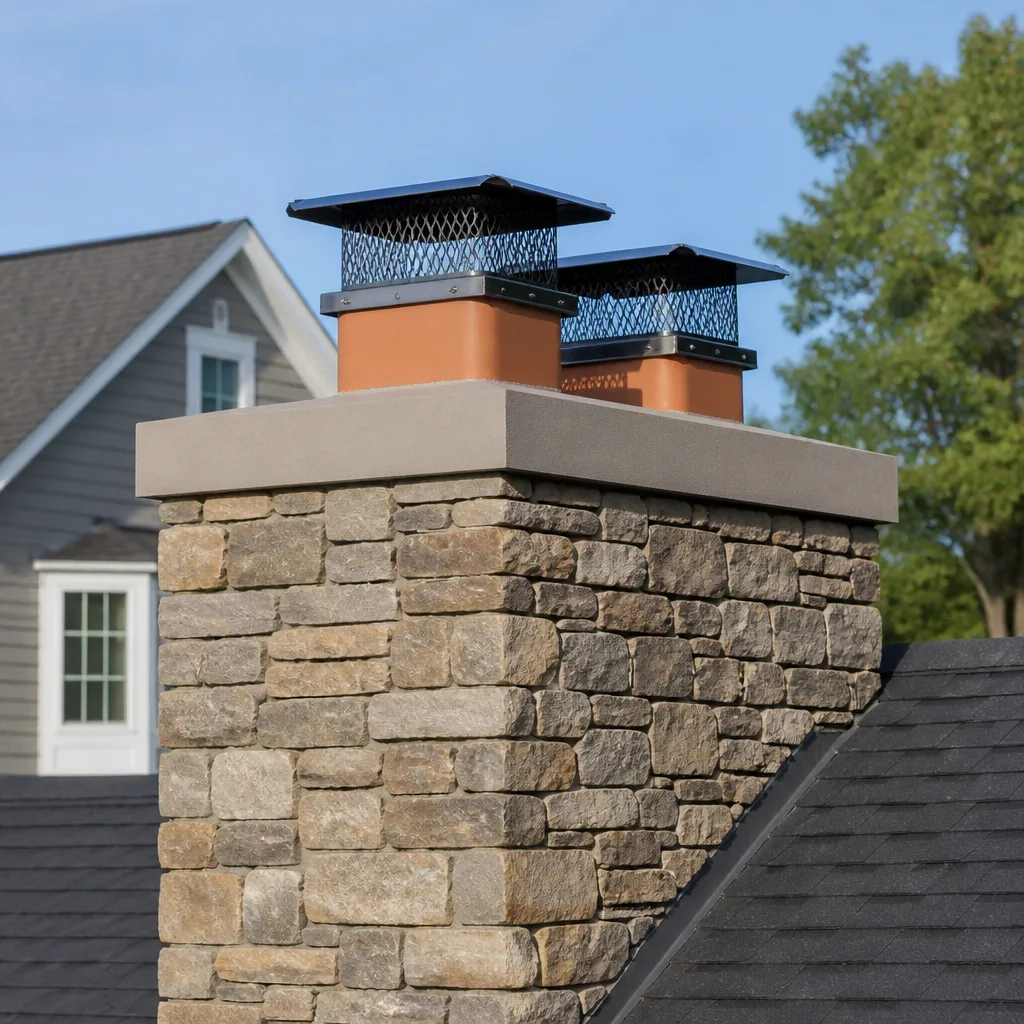 Caps & crowns
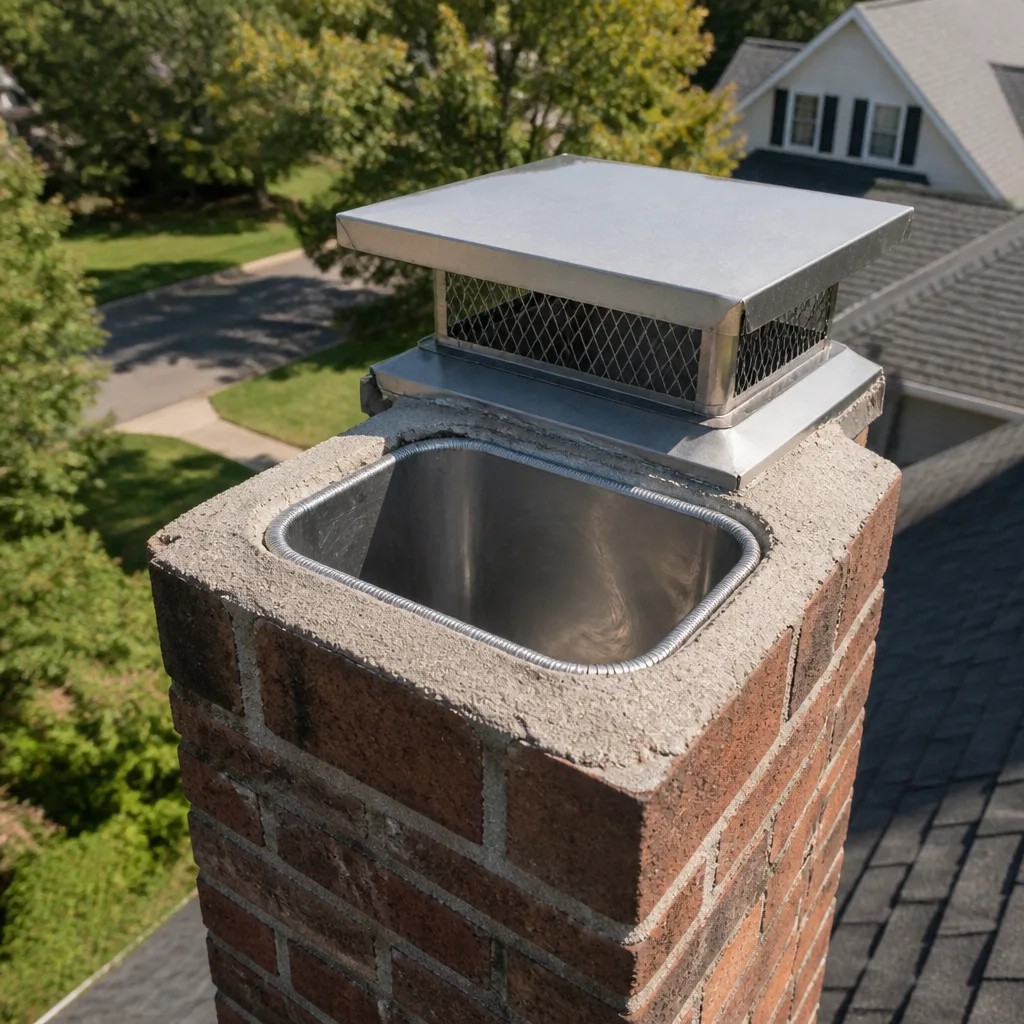 Flue relining
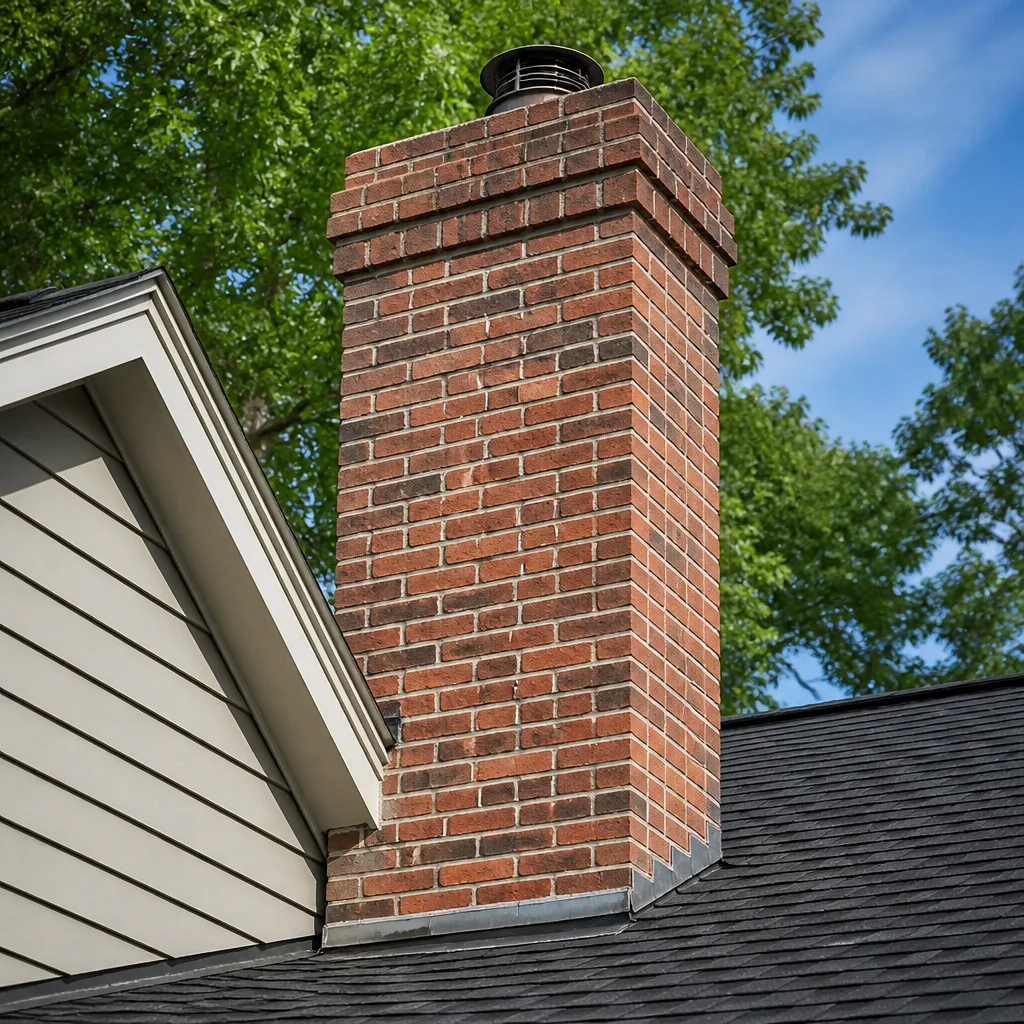 Masonry repair
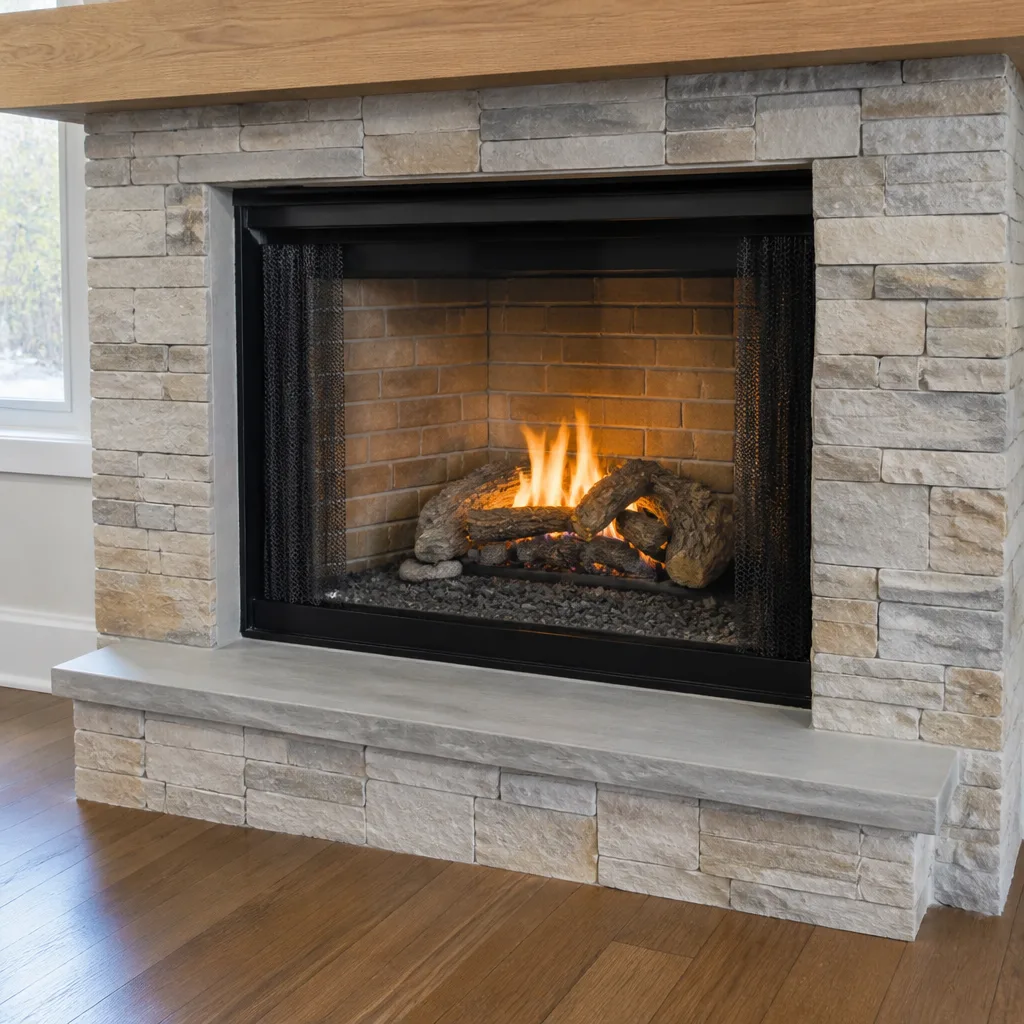 Gas fireplace service
Level 1 sweep and inspection to the NFPA 211 annual standard - flue, crown, cap, and flashing checked and photographed
Chimney sweep logs do not sweep chimneys. They loosen some creosote - which then falls where a brush and vacuum still have to collect it.
Choosing the Right Chimney Cleaning Brand: A Buyer’s Guide for Portola Springs
Most homeowners judge a chimney repair by what they can see: a new cap, a clean firebox, a fresh crown. The part that actually decides whether the job lasts is buried inside the flue or hidden in the material spec sheet. In Portola Springs, where the air carries moisture that chews through cheap metal, a contractor who reaches for galvanized steel over a proper stainless cap has quietly shortened the life of the repair before the first fire of the season. This guide names the professional-grade product categories that matter, explains why the brand on the box is a real decision, and gives you the exact questions to ask so vague answers tell you something useful.
Quick Answer
The right chimney cleaning and repair brand depends on which component you’re buying. For flue resurfacing, HeatShield is the professional standard because it repairs a deteriorating liner without demolition. For relining chimneys with offsets or existing damage, flexible liner systems like DuraFlex are what trained technicians install. For caps and venting, properly spec’d Famco and Copperfield components outperform generic hardware. A contractor who can name the specific product, the reason for it, and the manufacturer’s install requirements is the one to hire.
Styles & brands we work with
- Sweep & inspection
- Caps & crowns
- Flue relining
- Masonry repair
- Gas fireplace service
Table of Contents
- Why the Brand Behind the Repair Matters More Than the Repair Itself
- The Product Categories Where Brand Selection Is Structural
- HeatShield and Smoke Chamber Resurfacing: What Generic Products Lack
- Chimney Caps and Venting: Galvanized vs. Stainless vs. Branded Components
- How to Ask a Contractor What They’re Actually Installing
- Consumer-Grade vs. Professional-Grade Creosote Treatment
- Manufacturer Warranties: What Voids Them and Why
- A Step-by-Step Way to Evaluate Any Brand Quote
Why the Brand Behind the Repair Matters More Than the Repair Itself
A chimney is a system. The cap, the crown, the liner, the smoke chamber, and the firebox all work together, and each one has a material spec that determines how long it survives. When a contractor quotes a liner replacement, the number on the invoice tells you nothing about what’s going into your flue. A flexible liner is not one product; it’s a category, and the differences between a proper stainless system and a big-box substitute show up years later when the cheaper one has failed and the better one hasn’t.
Here’s the part that surprises most Portola Springs homeowners: two quotes for the same job can differ by hundreds of dollars, and the gap is almost always the material, not the labor. A lower quote usually means a thinner liner, a shorter warranty, a cap that was grabbed off a shelf rather than sized to the flue, or a resurfacing product with a lower thermal tolerance than the flue demands. The brand on the box is the closest thing you have to a spec sheet before the work begins.
In our experience working with the trade-level material stack, the honest framing is this: you’re not buying a repair, you’re buying the number of years until the next one. That’s why we lead with specific product names when we quote. If we’re installing a DuraFlex liner, you’ll hear why. If we’re using HeatShield to restore a smoke chamber, you’ll know what the alternative would have been and what it would have cost.
The rest of this guide is a buyer’s framework, not a brand advertisement. Use it to compare any quote, from any contractor, in any part of Portola Springs.
The Product Categories Where Brand Selection Is Structural
Not every chimney material carries the same weight. Some are cosmetic and some are structural. The four categories below are the ones where the brand decision actually changes how the repair performs over time. If a contractor can’t speak to any of them, that’s information.
- Liner systems. The liner is the flue you actually rely on. Flexible stainless systems are the standard for relining a chimney with offsets or pre-existing damage, and the gauge, alloy, and warranty differ enormously between brands. This is where brand matters most.
- Chimney caps and venting. A cap keeps water, animals, and debris out of the flue. A properly spec’d stainless cap outlasts a galvanized one in a humid climate by years, and venting components from a chimney-specific manufacturer fit correctly where generic hardware doesn’t.
- Crown sealants and repair compounds. The crown is the concrete (or masonry) top that sheds water away from the flue. A crown that cracks lets water into the structure below. Flexible, chimney-specific crown sealants accommodate normal thermal movement; rigid patching material cracks again within a season or two.
- Smoke chamber resurfacing products. The smoke chamber sits between the firebox and the flue, and it’s where turbulence and creosote collect. Resurfacing it correctly requires a product formulated for that heat and geometry, which is exactly what HeatShield was designed for.
Notice what’s not on that list. Cleaning brushes, drop cloths, and vacuums matter for a clean job but aren’t a structural decision. The place to focus your scrutiny is the components that stay in your chimney after the truck leaves.
We work with a fixed set of industry-recognized brands across these categories: Chimney Sweep Portola Springs handles the sweep, the inspection, the cap and crown, the repair, and the fireplace restoration in one visit, and the product stack behind each service is what makes a single call viable. Coordination matters when the liner and the cap have to fit the same flue.
HeatShield and Smoke Chamber Resurfacing: What Generic Products Lack
HeatShield is a professional chimney resurfacing system designed to restore a deteriorating flue or smoke chamber without a full rebuild. If your chimney has a cracked or pitted liner surface but the surrounding structure is sound, resurfacing can extend the working life of the flue without demolition. That’s a real repair option many contractors don’t carry, and the difference between it and a generic patching compound is thermal tolerance and bonding.
The smoke chamber is the section between the damper and the first flue tile. It’s corbeled, which means it has stepped masonry faces that collect creosote and create turbulence. A generic mortar patch applied to a corbeled smoke chamber rarely bonds correctly across those faces, and the patch fails at the seam. A purpose-built resurfacing product is formulated to adhere across the corbeled geometry and handle the heat of combustion gases.
Here’s what to ask about any resurfacing quote:
- Which specific product is being used, and is it a chimney-specific resurfacing compound or a general masonry patch?
- How is the surface prepared before application? A resurfacing job that skips prep or skips bonding agents doesn’t perform as designed.
- What thickness is being applied, and does that match the manufacturer’s spec?
- Is the technician trained on the product’s application?
If the answer to the first question is “a mortar we use,” the quote isn’t resurfacing. It’s patching, and it will need redoing. In our experience, the resurfacing question is one of the fastest ways to tell a chimney specialist from a generalist handyman, because the generalist doesn’t stock the product and can’t explain the spec.
For a homeowner in Portola Springs, resurfacing is worth asking about specifically when an inspection finds a cracked liner but a sound chase. That’s the repair-versus-replace decision, and HeatShield is often the middle path: not a cheap patch, and not a full rebuild.
Chimney Caps and Venting: Galvanized vs. Stainless vs. Branded Components
A chimney cap does two jobs: it keeps water, animals, and debris out of the flue, and it helps the flue draft correctly. A cap that’s too small, too large, or just plain wrong for the flue size can cause as many problems as it solves. And the metal it’s made from determines how long it survives. A galvanized steel cap in this area’s moisture-heavy air begins to rust within a couple of seasons and can rust through in under five years. A 304 stainless cap outlasts it by a wide margin, and the branded caps carry manufacturer warranties that a hardware-store cap doesn’t.
This is the category homeowners most often underestimate, because a cap feels like a small thing. It isn’t. A rusted-through cap lets water into the flue, and water and creosote don’t mix well. The chimney cap & crown installation and replacement service exists precisely for this reason: the two components shed water together, and replacing one without inspecting the other wastes the trip.
When evaluating a cap replacement:
- Is the cap sized to the flue, or was it chosen off a shelf?
- Is it stainless steel or galvanized?
- Does the brand carry a warranty, and what does the warranty require?
- Is the crown being inspected at the same time?
We install and source Famco and Gelco chimney caps and venting components so the cap is spec’d for the flue size rather than guessed at. That’s a sourcing decision, not a marketing one: a spec’d cap fits, seals, and drafts correctly, and it’s less likely to need replacing on a short timeline.
How to Ask a Contractor What They’re Actually Installing
This is the practical heart of the guide. You don’t need to become a chimney engineer to evaluate a quote. You need three or four well-aimed questions and a framework for reading the answers. The questions below work on any contractor, in Portola Springs or anywhere else.
- “Which specific product are you installing, by name?” A specialist answers instantly. A generalist gets vague. “A stainless liner” is not a product name; “DuraFlex” is.
- “Why that product for my chimney specifically?” The answer should reference your flue’s geometry, offsets, existing damage, or the appliance it serves. If the answer is generic, the product choice was generic too.
- “What does the manufacturer’s warranty require for the install to be valid?” This is the killer question, because it exposes whether the contractor has read the spec. Systems like DuraFlex come with manufacturer warranties that depend on proper installation and documentation. If the contractor can’t describe the requirements, the warranty may already be void.
- “Will I get the product name on the written estimate?” A written estimate that names the material is a contract. One that says “liner replacement” is an open door.
- “Are you trained and certified on that product’s installation?” A handyman can buy a name-brand product, but buying it doesn’t mean installing it correctly. Training and certification are what keep the warranty intact.
What vague answers reveal is sourcing. A contractor who buys whatever the local supply house stocks can’t tell you what’s going in your flue because they don’t know until they get there. A specialist who works with a fixed, professional-grade material stack can tell you before the estimate is written.
One more useful check: ask whether the inspection is bundled with the cleaning or offered separately. We offer chimney inspection as a standalone service, because a buyer or homeowner should be able to get an honest condition report before committing to repairs. If a contractor won’t separate the two, the inspection is serving the sale, not you.
Consumer-Grade vs. Professional-Grade Creosote Treatment
Walk into any hardware store and you’ll find a shelf of creosote removers. Some work on light deposits. None of them touch the stages that actually cause chimney fires. This is one of the biggest gaps between what homeowners expect and what the trade actually uses, and it’s worth understanding before you decide you can handle a creosote problem with a retail product.
Creosote builds up in three general forms. First-degree creosote is light and flaky, and a standard brush removes it. Second-degree creosote is harder and more tar-like. Third-degree creosote is glazed, hardened, and essentially bonded to the flue surface; a brush won’t remove it, and it’s the stage most associated with chimney fire risk. Professional-grade chemical treatments, including ACS and poultice-style applications, are formulated to break down the harder stages so they can be removed. A consumer-grade remover sold for fireplace maintenance isn’t designed for the same job.
That doesn’t mean chemical treatment is right for every situation. Sometimes the honest answer is that the flue has deteriorated to the point where a chemical treatment won’t help, and the liner needs repair or relining. Knowing which answer applies requires camera inspection, not a guess.
If an inspection finds glazed creosote in a Portola Springs chimney, the treatment plan matters as much as the cleaning. Ask which product is being used, whether it’s a professional chemical treatment or a consumer remover, and whether the plan accounts for the deposit stage. For a full picture of how we handle a standard sweep, the chimney sweep page walks through the process, and it names the materials involved.
One safety note, because it matters more than the product question: glazed creosote is the leading contributor to chimney fires, and a chimney fire can spread beyond the flue. If your firebox or flue has shown any signs of a fire you didn’t know about, the inspection is urgent, not optional. Don’t try to remove glazed creosote yourself; the deposits are hard to reach and the tools to remove them safely are professional.
Manufacturer Warranties: What Voids Them and Why
A manufacturer warranty is only as good as the install behind it. Every professional chimney product, from HeatShield to DuraFlex to a Famco cap, is designed to perform and carry a warranty only when installed by a trained technician who followed the spec. That’s not a technicality. It’s the whole point of buying a professional-grade product instead of a big-box substitute.
Here’s what that means in practice. If a handyman buys a name-brand cap and installs it without manufacturer training or documentation, the warranty on that install is likely void. So the homeowner paid for the good product and got none of the protection. The brand on the box is only the first half of the equation; the second half is the certification, the install, and the paper trail that goes with it.
Manufacturer warranties generally require:
- Installation by a technician trained or certified on that product
- Application to the specific use the manufacturer specifies (a liner spec’d for wood appliances installed on a gas appliance may not qualify)
- Documentation of the install, including photos and the product used
- The product being sourced through authorized channels (not salvage or resale)
This is why we name the product on the written estimate and why we keep the documentation. It’s also why we don’t promise generic “lifetime guarantees” on our own behalf: the manufacturer warranty is the meaningful one, and it’s only real when the install is documented and done by a trained technician. If you’re comparing quotes, ask what the manufacturer requires and whether the contractor can produce that paper trail after the job.
For a home going on the market in Portola Springs, that documentation is worth keeping with the disclosure package. A pre-sale inspection with product-level paperwork is easier to sell than a mystery repair.
A Step-by-Step Way to Evaluate Any Brand Quote
Here’s a framework you can apply to any chimney quote, from any contractor. It’s written for someone who doesn’t want to become an expert but does want to avoid getting talked into the wrong product or over-sold on a repair that could wait.
- Ask for a standalone inspection first, or confirm one is included. You should see photos of the inside of your flue before anyone recommends a repair. If you can’t see the evidence, you can’t evaluate the recommendation.
- Get the product named on the written estimate. “Liner replacement” is not a spec. “DuraFlex liner, sized to your flue” is.
- Ask why that product, for your chimney. The answer should reference the flue’s geometry, condition, or appliance. Generic answer, generic product.
- Ask what the manufacturer requires for the warranty to stand. Then ask whether the contractor can provide that documentation.
- Ask what happens if the repair can safely wait. A trustworthy contractor will tell you. Some repairs are seasonal and can wait for a better window; some can’t.
- Compare the material, not just the price. If Quote A is $300 cheaper and the only difference is a thinner liner or a galvanized cap, you’ve found where the $300 went.
- Confirm the estimator can explain the fireplace side too. A chimney is a system, and a repair that treats the flue but ignores the firebox isn’t a full repair.
Applied to a real quote, these seven questions separate a spec’d job from a cheap one. And when the answer is “this can safely wait,” that’s a good sign, not a bad one. You’re looking for a technician who’ll tell you when not to spend money. The same framework applies to fireplace repair, where the product choice is less visible but equally consequential.
Common Mistakes to Avoid
- Choosing the lowest quote without comparing the material. A lower number usually means a thinner liner, a shorter-lived cap, or a generic patching compound instead of a resurfacing system. The material is where the difference lives.
- Accepting “a stainless liner” as a product name. Stainless is a metal family, not a spec. Ask which system, by name, and why that one for your flue.
- Replacing a cap without inspecting the crown. A new cap on a cracked crown lets water in from the top down. The two components work together, and replacing one without the other wastes the trip.
- Treating glazed creosote with a retail remover. Consumer products work on light deposits; the harder stages need professional chemical treatment, and sometimes the liner needs repair instead. A retail bottle won’t reach either.
- Skipping the inspection to save the line item. A standalone inspection is often the cheapest part of the job and the only thing that tells you whether the repair is necessary. In Portola Springs, where the fireplace is used through the season, an honest condition report before the repair is the last place to cut.
- Assuming a name-brand product means a valid warranty. A handyman can buy a HeatShield or DuraFlex product and install it without training, which likely voids the warranty. The brand is half the equation; the trained install is the other half.
- Booking a repair before seeing the camera evidence. If the recommendation can’t be shown to you on camera, ask why. Honest repairs can be inspected and photographed; guesses can’t.
See the difference
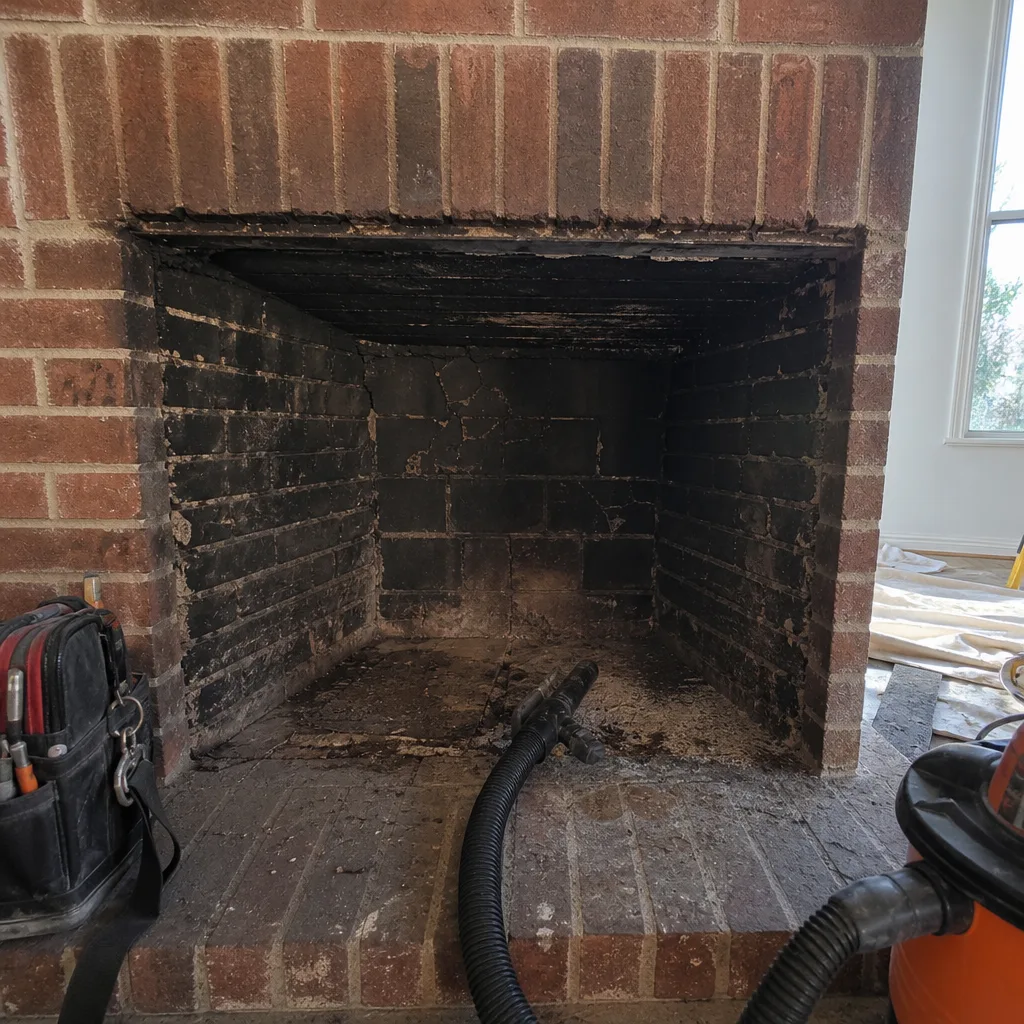 Before
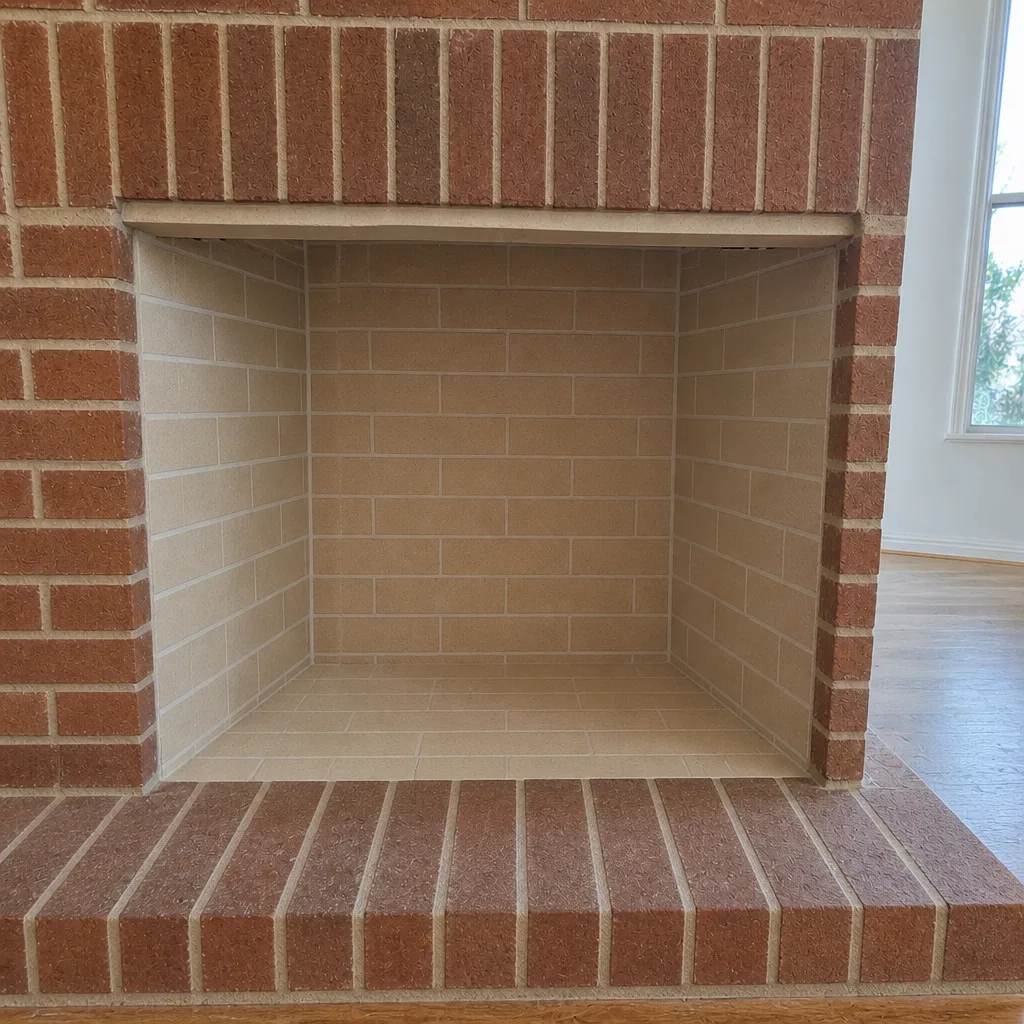 After
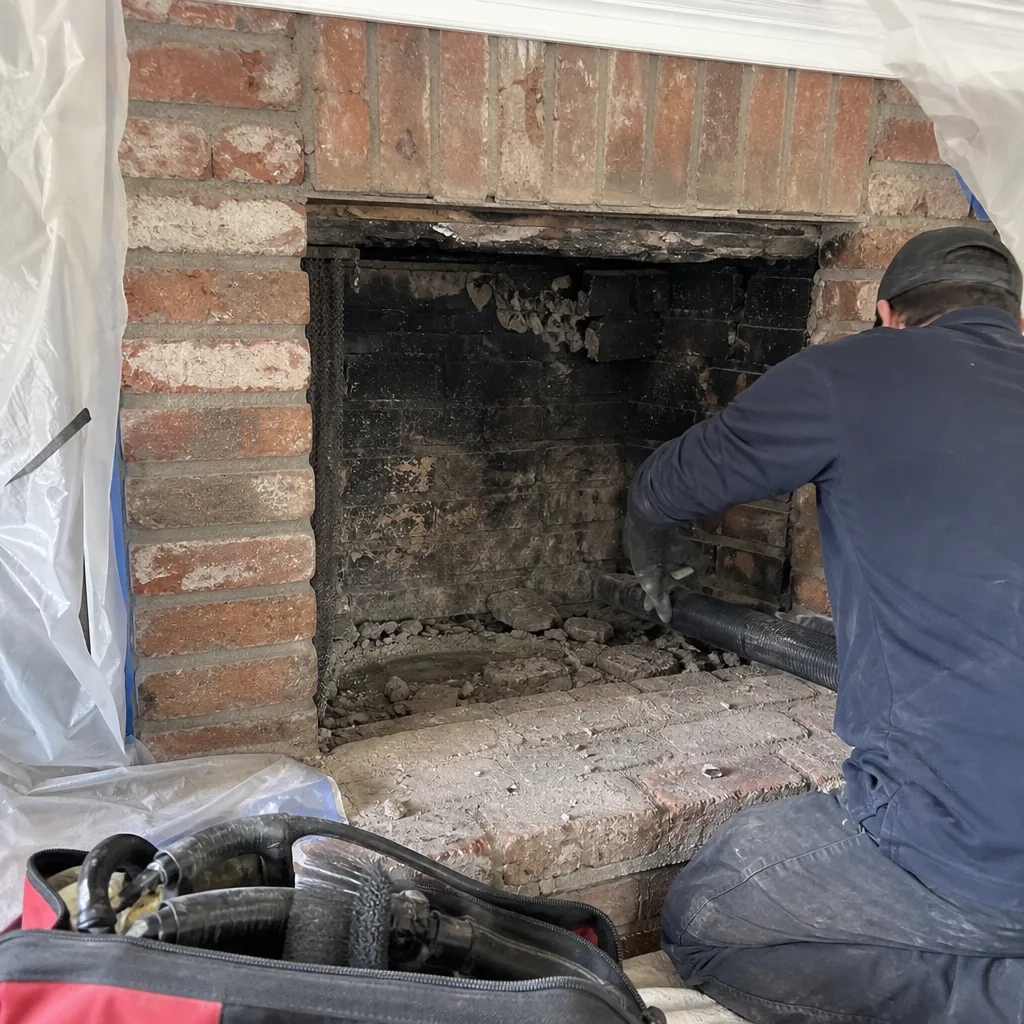 Before
 After
 Before
 After
When to Call a Professional
Some chimney work is a maintenance decision, and some is a safety decision. Call a professional if you’ve never had the flue inspected, if the fireplace has been used regularly without a sweep, if you notice smoke backing into the room or a strong odor from the firebox, if the cap is visibly rusted or missing, or if you’re buying or selling a home in Portola Springs and need the chimney condition documented before the deal closes. Also call if an inspection has already found glazed creosote or a cracked liner, because those are the cases where the right product decision matters most. Chimney Sweep Portola Springs offers free estimates in Portola Springs, and we lead with the inspection so you can see the evidence before committing to the repair. Call (855) 337-1632. We answer 24/7. Fast dispatch from 7am to 7pm, Sunday through Friday.
Frequently Asked Questions
The brands that matter depend on the component. For flue resurfacing, HeatShield is the professional standard. For relining, DuraFlex is a name trained technicians install. For caps and venting, Famco, Gelco, and Copperfield are chimney-specific brands, not hardware-store substitutes. Ask which specific product is being installed and why, then confirm the contractor is trained on it.
A standard chimney sweep is typically priced per job by a written estimate, and the final number is set by the written estimate, not a phone quote. What you want to compare is what’s included: a camera inspection and a photo report should be part of the picture. Call (855) 337-1632 for an exact quote, because estimates are free.
It depends on the condition of the flue, and the honest answer is that nobody can tell you without a camera inspection. If the liner surface is cracked or pitted but the structure is sound, a resurfacing system like HeatShield can restore it without demolition. If the damage is structural or the flue geometry requires relining, a flexible liner is the correct repair. See the evidence on camera before you decide. Call (855) 337-1632 for an exact quote, because estimates are free.
The general rule in the trade is that a chimney should be inspected at least once a year and swept when deposits reach a level that warrants it. How quickly that happens depends on how much you burn and what you burn. If you use the fireplace regularly through the season, book the inspection before the burning season starts. Call (855) 337-1632 for an exact quote, because estimates are free.
Creosote accumulates, and the harder stages are the ones most associated with chimney fires. A blocked or restricted flue also keeps combustion gases from venting correctly. Skipping the sweep doesn’t produce an immediate failure; it produces a deferred one. That’s why inspection is the first step, and it’s why we show you the camera evidence. Call (855) 337-1632 for an exact quote, because estimates are free.
No. A manufacturer warranty generally requires installation by a trained technician, application to the correct use, documentation, and authorized sourcing. A handyman can buy the right brand and still void the warranty by installing it without the training or the paper trail. Ask the contractor what the manufacturer requires and whether they can provide that documentation. Call (855) 337-1632 for an exact quote, because estimates are free.
The Bottom Line
The brand of material in a chimney repair is a structural decision, not a cosmetic one. HeatShield for resurfacing, DuraFlex for relining, and properly spec’d Famco, Gelco, and Copperfield caps and venting are the products trained technicians reach for because they perform when installed correctly. The two things to carry into any quote are simple: ask which specific product is being installed, and ask what the manufacturer requires for the warranty to stand. A contractor who can name both is the one to trust. We handle the full system at Chimney Sweep Portola Springs, from the sweep to the chimney cap & crown, and we name the product on every estimate. Call (855) 337-1632 for a free estimate, and know exactly what’s going into your flue before the season starts. Our technicians have up to 10 years of experience.
Written by the team at Chimney Sweep Portola Springs.