
Last updated November 25, 2026
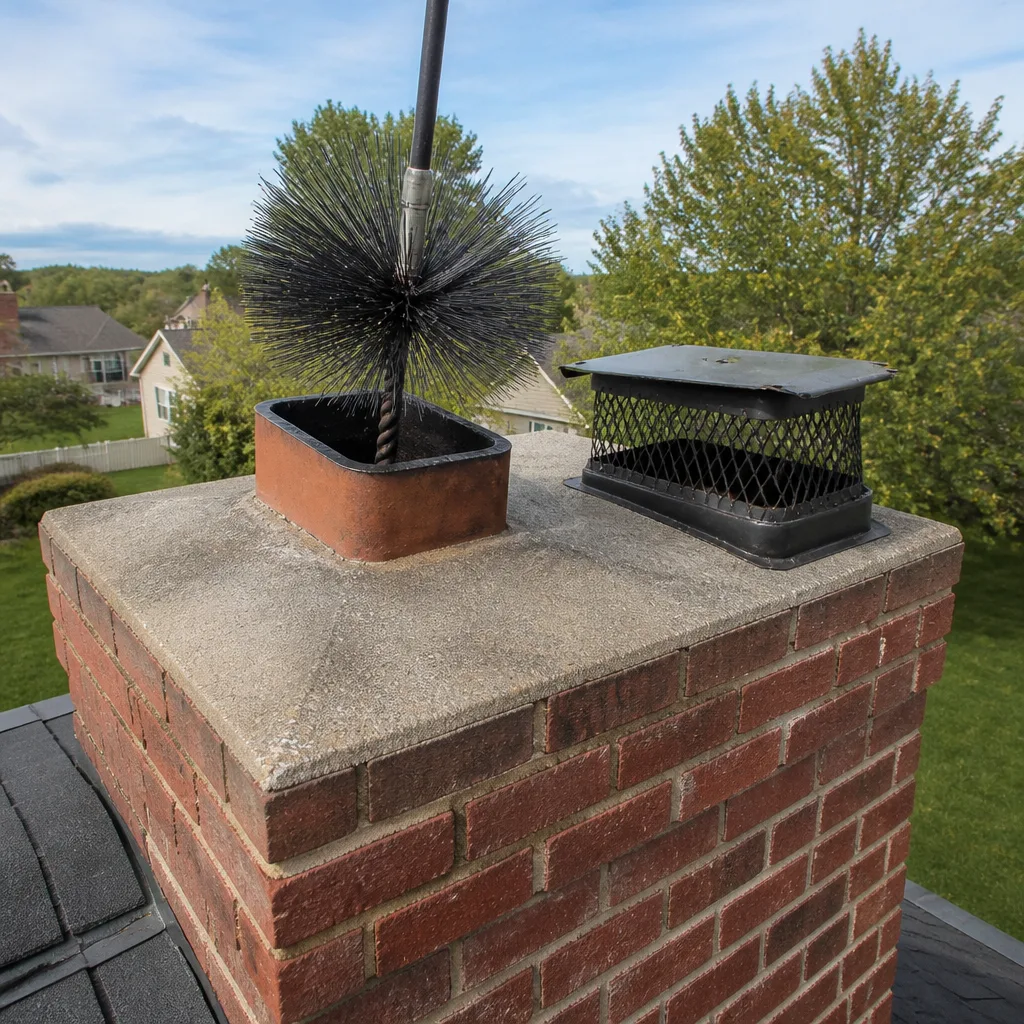 Sweep & inspection
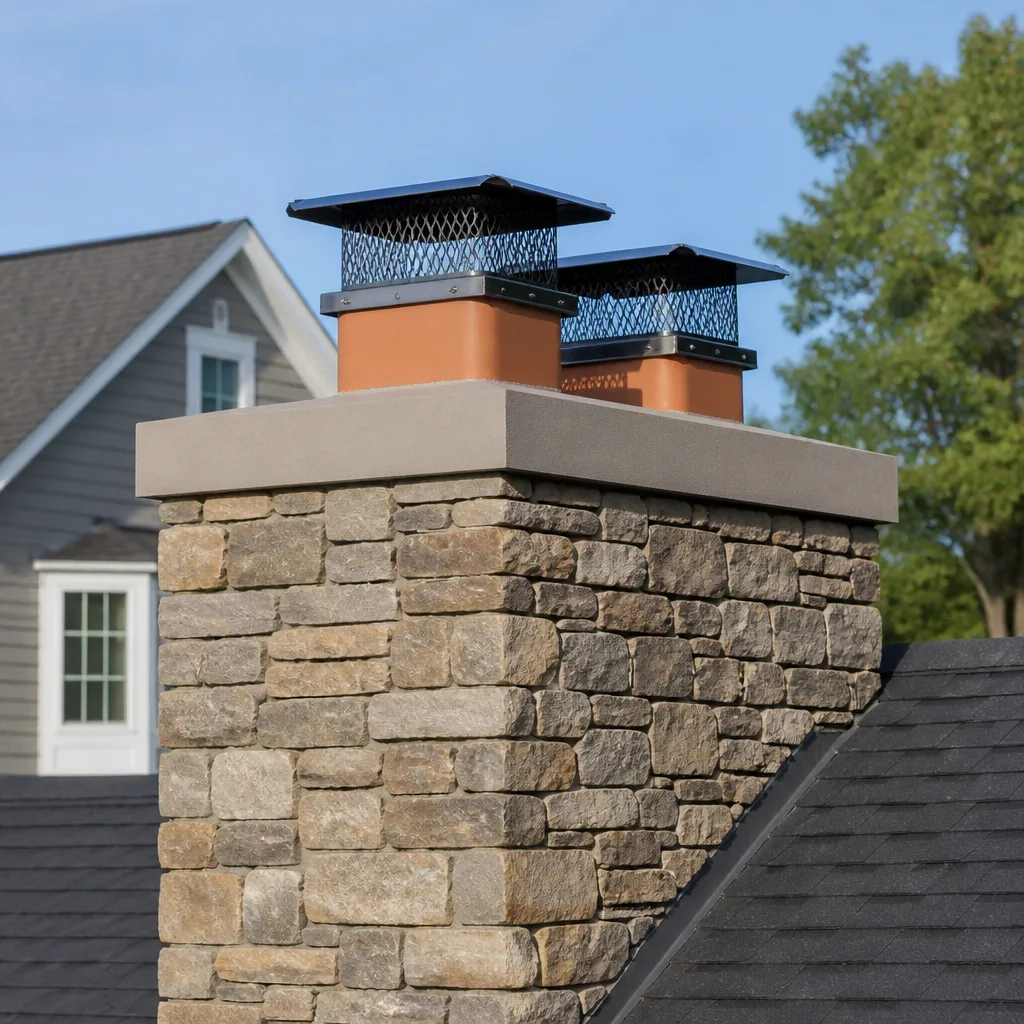 Caps & crowns
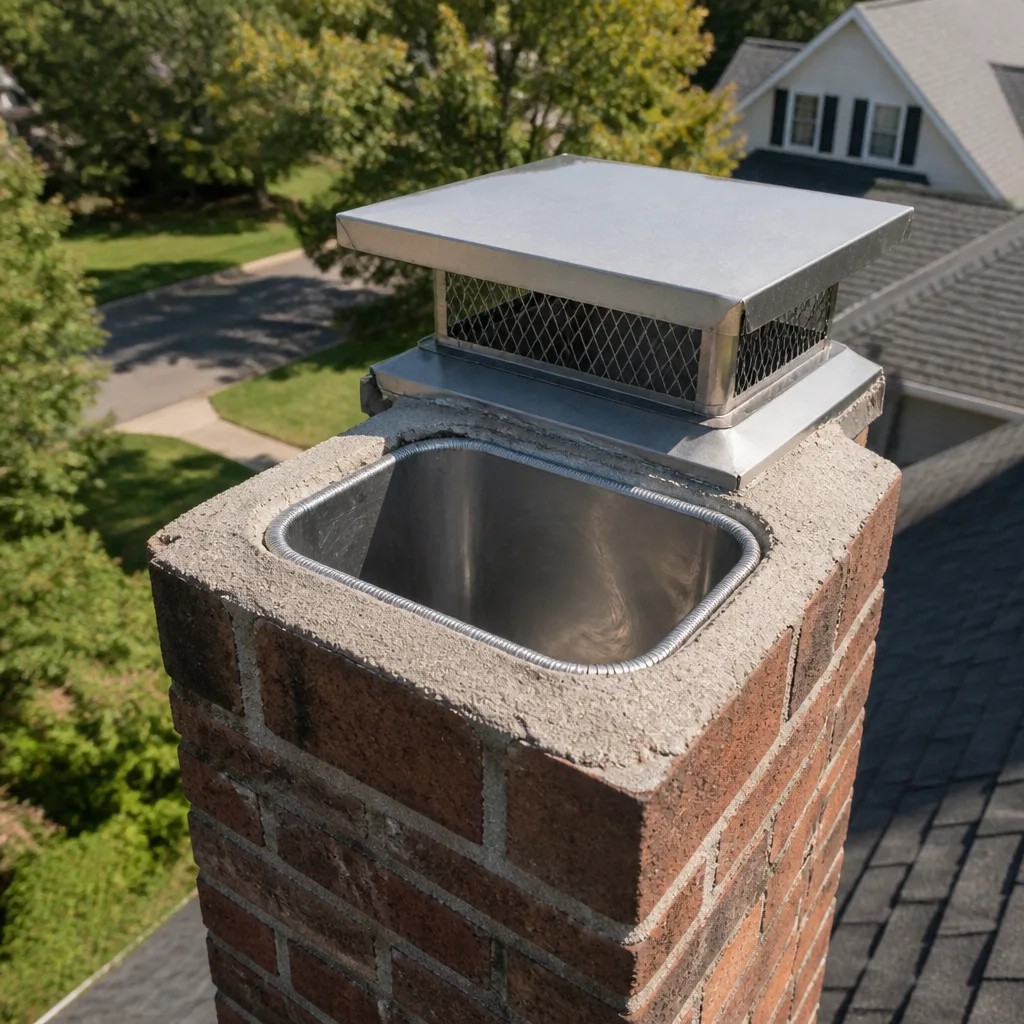 Flue relining
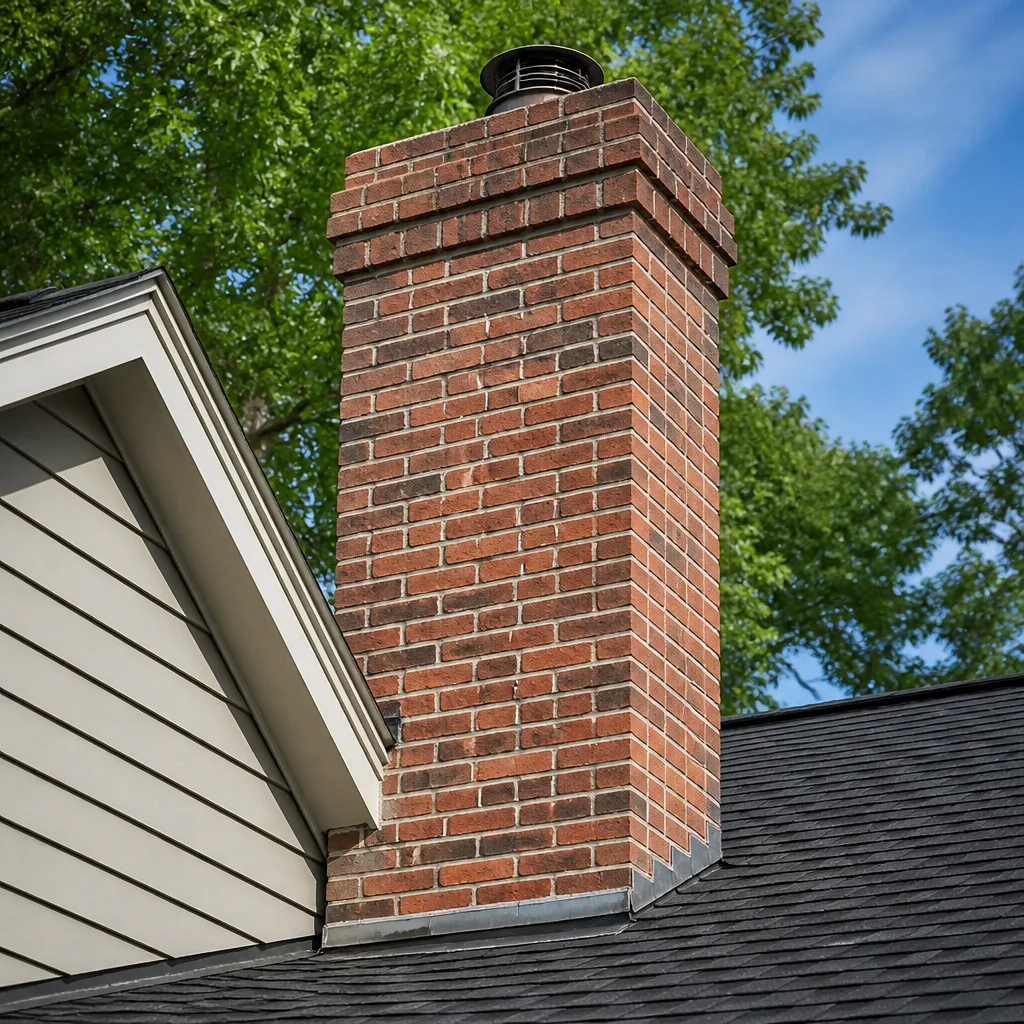 Masonry repair
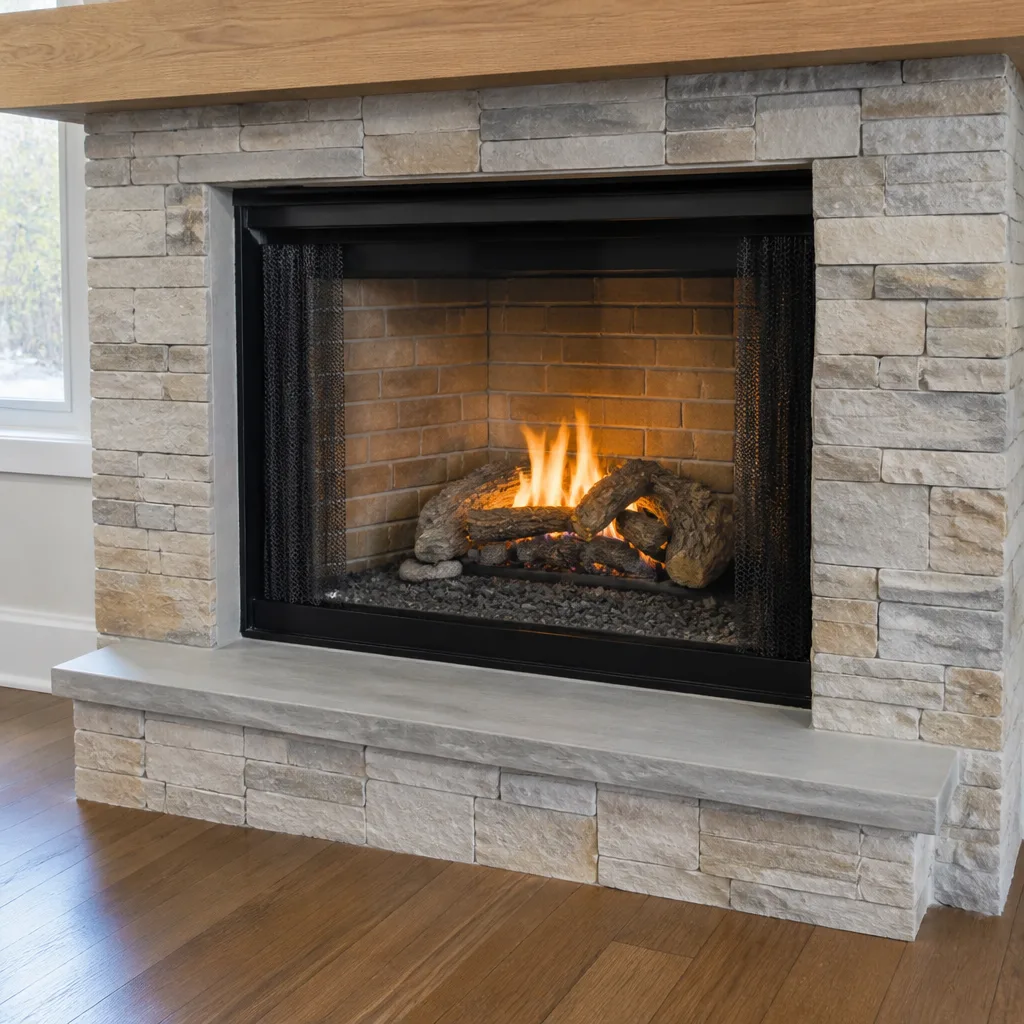 Gas fireplace service
Level 1 sweep and inspection to the NFPA 211 annual standard - flue, crown, cap, and flashing checked and photographed
Chimney sweep logs do not sweep chimneys. They loosen some creosote - which then falls where a brush and vacuum still have to collect it.
Chimney Cleaning Warning Signs: A Portola Springs Homeowner’s Reference Guide
Most chimney warning-sign checklists tell you to watch for odors and staining. Those are real, but they’re the late-stage symptoms, the ones that show up after a problem has already settled in. A white efflorescence stain on the exterior of a chimney isn’t a cosmetic issue. It’s visual proof that water is already moving through the masonry, dissolving salts outward as it goes, and it means there’s a moisture problem to solve before it reaches the flue. The early signals come months sooner and they’re quieter: a fire that takes longer to catch, a faint change in draft, a hairline shadow you’d only notice with a flashlight. This guide teaches you to read those Portola Springs signals before a small issue turns into an expensive one.
Quick Answer
The core warning signs that a chimney needs cleaning or inspection are: a fire that struggles to start or smokes back into the room, a strong smoky smell when the fireplace is unused, creosote buildup you can see or feel on the flue walls, dark staining at the top of the firebox, soot streaks on the glass of a gas insert, and any crack, crumbling mortar, or white chalky residue on the chimney exterior. In Portola Springs, where our cooling months are long and our heating season is short but intense, the risk isn’t a hard freeze but gradual moisture intrusion during the dry-wet swing of winter. Any one of these signs is worth a call. Two or more together means book an inspection now, not next season.
Styles & brands we work with
- Sweep & inspection
- Caps & crowns
- Flue relining
- Masonry repair
- Gas fireplace service
Table of Contents
- First-Stage vs. Third-Stage Creosote: Why the Visual Difference Matters
- What a Slow Draw or Smoke Rollout Actually Tells You
- Hairline Liner Cracks: The Flashlight-and-Mirror Test
- Reading the Chimney Exterior as a Moisture Diagnostic
- Gas Insert Warning Signs That Differ From Wood-Burning Systems
- The Full-System Check: Cap, Crown, Liner, Firebox
- How to Time a Sweep in Portola Springs
- Inspection vs. Sweep: Which Do You Actually Need?
First-Stage vs. Third-Stage Creosote: Why the Visual Difference Matters
Creosote is the byproduct of incomplete combustion, and it doesn’t build up all at once. It moves through stages, and each stage needs a different solution. A sweep who treats them the same is costing you either money or safety.
First-stage creosote is a light soot or flaky dust that brushes off easily. Most chimneys used regularly will have it on the flue walls. Second-stage creosote is a denser, blacker, shinier deposit that clings to the flue and can be tight enough to resist a standard brush. Third-stage creosote is the one that matters most: it’s a hard, glassy, glazed layer that bonds to the liner surface, and a rotating brush alone won’t remove it reliably. It requires chemical treatment, and in some cases the flue has to be treated with a solvent-style product applied over several visits before the deposit releases.
How to tell which stage you’re looking at
- Look up the flue with a strong flashlight. If the walls look matte and gray-black with a texture like dry ash, that’s first-stage.
- If the surface is darker, slightly glossy, and you can scrape it with a plastic scraper and it crumbles, that’s second-stage.
- If it’s glossy, hard, and comes off in flakes or doesn’t come off at all, treat it as third-stage until a professional confirms otherwise.
Why the distinction matters for Portola Springs: many of our fireplaces burn hardwoods that throw more creosote than softer, drier species. A slow-burning fire in a cool evening, with the damper a bit too closed, produces more of the sticky stuff. If you’ve been burning dense wood over several seasons without a sweep, the deposit likely isn’t first-stage anymore. That’s a chemical-treatment job, not a brushing job, and it’s better to know that before the flue is loaded up again.
If we’re doing the sweep, we tell you what we see in plain terms. When a deposit needs a chemical approach, we say so and explain why. That’s the whole point of the sweep.
What a Slow Draw or Smoke Rollout Actually Tells You
A fire that struggles to catch or sends a little smoke into the room at ignition is telling you something is off with the chimney’s airflow. Sometimes it’s just user error: a cold flue, a closed damper, a fireplace opening that’s too large for the room’s air supply. But when it used to work and now it doesn’t, the cause is structural, and there’s a short list of usual suspects.
The four structural causes of a slow draw
- Blockage: a bird nest, a fallen piece of liner, or a heavy creosote flake has narrowed the flue. This is one of the most common causes and one of the most fixable.
- Flue dimensions off: a flue that’s too large for the firebox cools the smoke before it exits, so it stalls. This usually shows up after a fireplace remodel or liner replacement that didn’t account for flue size.
- Pressure imbalance: a tightly sealed house, a contractor-grade range hood, or a bathroom fan can pull air out of the room faster than the chimney can draw it in. In newer construction, this is worth checking with a manometer.
- Cap or crown obstruction: a warped cap, a bird screen clogged with debris, or a crown that’s cracked and shifted can block the top of the flue. That’s a case for chimney cap & crown work, not a sweep.
Here’s the diagnostic question: does the slow draw happen on every fire, or only on some? If it’s every fire and the fire used to light cleanly, that points to a blockage or a structural change. If it’s only on windy or cold-morning fires, it’s likely a pressure or flue-temperature issue. Either way, guessing costs time. A camera inspection answers it inside twenty minutes. Our technicians have up to 10 years of experience reading these signals, and the two most common misdiagnoses we correct are “the damper is stuck” (usually it isn’t) and “the house is just cold” (sometimes, but not the whole story).
Hairline Liner Cracks: The Flashlight-and-Mirror Test
Your flue liner is the wall between the fire and the structure of the house. A crack, even a hairline one, lets combustion gases move into the space around the flue and then into the living space. Carbon monoxide is the concern here, and it’s silent, tasteless, and invisible. That’s why a liner check is worth doing before the heating season, not after a problem shows up.
The flashlight-and-mirror test
From the firebox, with the damper open, you can inspect the first few feet of flue yourself. It’s a rough check, but it catches obvious problems.
- Turn off the gas or ensure the fireplace is stone cold, and confirm the damper is fully open.
- Shine a strong flashlight (a bright LED is best) up the flue.
- Hold a mirror at an angle so you can see the flue walls above the firebox throat.
- Look for dark thin lines that cross the liner surface, tiny flakes of liner material on the smoke shelf, and any spot where the seam of a sectional liner looks separated.
The limitation is real: the flashlight-and-mirror test only reaches the first section of flue. Cracks above the smoke chamber, at offsets, or in the top two feet are invisible from the firebox. That’s when a camera inspection is the only reliable method. A professional camera on a flexible rod can see the entire flue length, record what it finds, and show you the picture. If you’re buying a home in Portola Springs, a pre-purchase inspection that includes camera documentation is worth the cost. It’s a small line item that can prevent a large surprise.
If we find a liner that’s cracked or deteriorated, we walk you through two paths: relining with a DuraFlex flexible liner (the professional standard for chimneys with offsets and damage), or restoration with HeatShield, which resurfaces a deteriorating flue at a fraction of full rebuild cost. Both are real options, and the right one depends on how much of the liner is compromised.
Reading the Chimney Exterior as a Moisture Diagnostic
The exterior of a chimney is a moisture meter you can read from the ground. Brick and mortar are porous. When water gets in through the crown, a cap, or a failed mortar joint, it travels through the masonry, dissolves salts, and pushes them to the surface, where they dry as a white, chalky powder. That’s efflorescence. It’s not damage itself, but it’s evidence. Behind it, the moisture is already at work.
The exterior signs, ranked by what they tell you
- Efflorescence: white, chalky staining on the brick or mortar. Early sign of moisture movement.
- Spalling: brick faces flaking, pitting, or popping off. The brick has been wet and is breaking down. A step beyond efflorescence.
- Stair-step mortar cracking: cracks that follow the mortar joints in a zigzag up the chimney. This is structural movement, and it deserves an inspection.
- Rust stains below the cap or on the flashing: a sign of a failing cap, cap hardware, or flashing detail.
- Crown cracks or a crown that’s pulling away from the flue: the crown is the concrete top that sheds water. If it’s leaking, water goes straight down into the chimney.
Here’s where Portola Springs weather matters. We don’t get hard freezes very often, so the classic “freeze-thaw cracks the brick” story isn’t the main mechanism here. The bigger local problem is the dry-wet swing: six months of dry heat followed by a rainy winter. Masonry dries out, then gets soaked, then dries out again. The repeated expansion and contraction weakens mortar joints, and the water that seeps in during the wet months is the water that pushes salts out and softens brick faces. The practical upshot: exterior moisture issues here can be caught early with a look at the crown and a proper cap, and the fix is rarely expensive if it’s done before spalling starts. Once the brick faces are popping, it’s repair work. We work with Gelco and Olympia Chimney caps and Copperfield components, which means a cap replacement is sized to the flue, not grabbed off a shelf.
Gas Insert Warning Signs That Differ From Wood-Burning Systems
A gas insert doesn’t produce creosote the way wood does, but it has its own warning signs, and a homeowner who’s watched a wood fireplace for years may not recognize them. The combustion byproducts of a gas fireplace are mostly water vapor and carbon dioxide, but an improperly vented or malfunctioning insert can produce carbon monoxide, and the signs are different from a wood-burning system.
What to watch for on a gas system
- Pilot instability: the pilot light that used to stay lit now goes out, or it struggles to stay on after the burner kicks off. Sometimes that’s the thermocouple. Sometimes it’s a venting issue pulling air where it shouldn’t.
- Soot on the glass: dark smudges on the glass of the insert. A properly burning gas insert produces a clean, mostly blue flame, and the glass stays fairly clear. Soot means incomplete combustion or a venting problem.
- Discolored or lifting logs: synthetic logs can show premature wear if the burner is misadjusted.
- CO detector sounding or reading elevated: this is not a “check it later” sign. Get out of the house, call the gas utility, and don’t use the insert until it’s inspected. This is the one warning sign worth interrupting your day for.
- A sulfur or “rotten egg” smell: typically a gas supply issue, not a chimney issue. Call your gas utility.
We treat gas inserts as their own system. A sweep of a gas insert is a different job than a wood-burning flue sweep, and the inspection is oriented around venting, combustion, and the mechanical condition of the insert. If your gas insert has any of these signs, book an inspection before you use it again. Not because it’s an emergency in every case, but because the consequences of a venting failure are the ones you can’t see coming.
The Full-System Check: Cap, Crown, Liner, Firebox
A chimney is a system, not a pipe. Cap, crown, flue, firebox, and damper all affect one another, and a failure in one stresses the others. A missing cap lets water in, which damages the crown, which lets more water in, which weakens the mortar, which cracks the flue. That’s the chain reaction, and it runs in one direction unless someone stops it. Knowing what each component does tells you which warning sign points where.
What each part is responsible for
- Cap: keeps rain, birds, and debris out of the flue, and in some designs helps with draft. A cracked or missing cap is the most common cause of water intrusion in Portola Springs.
- Crown: the concrete top that sheds water away from the flue and the mortar. A cracked crown is a slow leak directly into the chimney structure.
- Flue liner: contains combustion gases and keeps them out of the surrounding structure. Cracks here are the carbon monoxide risk.
- Firebox: the chamber where the fire burns. Deteriorated firebrick or a failed firebox liner can let heat and gases into the masonry.
- Damper: controls airflow. A damper that doesn’t fully close or open is a draft problem and an efficiency loss.
When we do a system check, we look at all five. That’s the point of covering the whole system in one call: you don’t end up coordinating a sweep with one contractor and a cap replacement with another and a liner repair with a third. If a fireplace needs work on the firebox side, that’s a fireplace repair scope, and it’s part of the same inspection. The full system is what we look at, from firebox to cap.
How to Time a Sweep in Portola Springs
The timing question comes up on almost every call: when should a homeowner actually schedule the sweep? The honest answer for Portola Springs is that the best window is late summer into early fall, before the first fires of the season and before the rainy months arrive. It gives you a chance to catch an exterior problem (a failing cap, a cracked crown) while the weather still allows a repair without water working its way in.
What the seasonal timing looks like
- Late summer: book the sweep and inspection. Get an honest condition report on the flue and the exterior before the first fire.
- Early fall: handle any repairs that come up (cap, crown, liner, firebox) while the weather is dry and the schedule has room.
- Winter: use the fireplace. Pay attention to draw, smoke rollout, and any change in how the fire behaves.
- Spring: after a season of use, a quick check is worth doing. You’ll have burn volume data from the season and can judge whether a sweep is needed before next fall.
How often you sweep depends on burn volume, wood type, and the flue condition. A regular fireplace user burning several cords a season should plan on an annual sweep. A homeowner who lights the fireplace a few times a winter can go longer, but should still get a visual inspection. The rule isn’t “once a year no matter what,” it’s “sweep when the deposit load calls for it.” A sweep who tells you that without looking up the flue is guessing. We look, we tell you what we see, and if a sweep can wait, we say so.
Inspection vs. Sweep: Which Do You Actually Need?
They’re different services, and the difference matters for cost and for what you learn. A chimney sweep removes the deposit load from the flue. An inspection is a condition assessment of the whole system: flue, firebox, damper, cap, crown, and the exterior masonry. You can book an inspection without a sweep, and for a homeowner who’s buying a house or hasn’t used the fireplace in years, that’s often the right first step.
An inspection gives you a photo report and an honest answer to a specific question: is this chimney safe to use, and what does it need? If a liner is deteriorated, the inspection finds it before a sweep brushes against it. If the crown is cracked, the inspection flags it before rain season. If the firebox has a failing brick, the inspection catches it before the next fire.
For a real estate transaction, a standalone inspection is the right tool. A buyer wants an honest condition report before committing to repairs, and a seller wants to know what they’re dealing with before listing. We provide that as a standalone service, not just as an add-on to a sweep. That’s a trust-first approach, and it’s the reason we separate the two services. A sweep is a maintenance job. An inspection is a diagnostic job. Sometimes you need both, sometimes you need one. If you’re not sure, the inspection is the safer place to start.
We find a lot of homeowners skip inspection because they don’t want to be told they need thousands of dollars of liner or masonry work they can’t verify. That’s a fair concern. Our approach is simple: nothing is recommended without camera evidence you can see. If a liner is fine, we say so. If a crown crack can wait a season, we say that too. You get the report either way.
Common Mistakes to Avoid
- Judging a chimney by smell alone. A smoky smell in the off-season usually means deposit load and a little moisture, not a serious problem. A clean-smelling chimney can still have a cracked liner. Look up the flue, don’t just sniff the room.
- Assuming a low-bid sweep is a good value. A quote that’s half the rest is often a one-brush sweep with no inspection, no camera, and no look at the exterior. In Portola Springs, the exterior check (cap and crown) is where the water problems get caught. A sweep that skips it isn’t saving you money.
- Letting the cap fail for years. A missing or warped cap lets rain in, and the water finds the crown next. A properly-spec’d cap from Gelco or Olympia Chimney, sized to the flue, is a small repair that prevents a big one.
- Treating third-stage creosote like a brushing job. Glazed creosote won’t come off with a rotating brush. It needs chemical treatment. If a sweep finishes in ten minutes on a heavily-used fireplace, ask questions.
- Using a gas insert with soot on the glass. That’s incomplete combustion. Don’t run it until it’s inspected. Soot on the glass is not a cleaning issue, it’s a venting or burner issue.
- Skipping a pre-purchase inspection. A home inspection often doesn’t include a camera inspection of the flue. A standalone chimney inspection before closing is the way to know what you’re buying.
- Ignoring stair-step mortar cracks. A hairline crack that follows the mortar joints is not cosmetic. It’s movement, and it deserves a look before it gets worse.
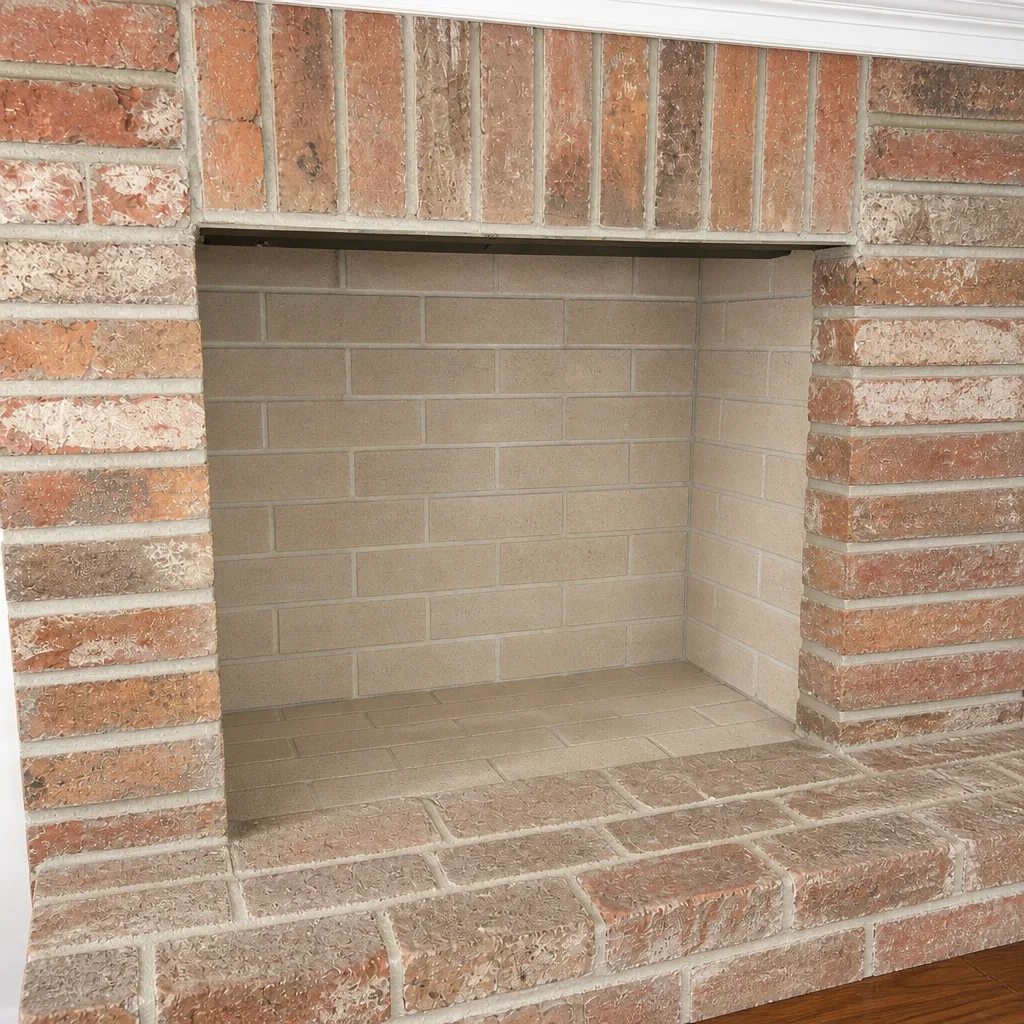
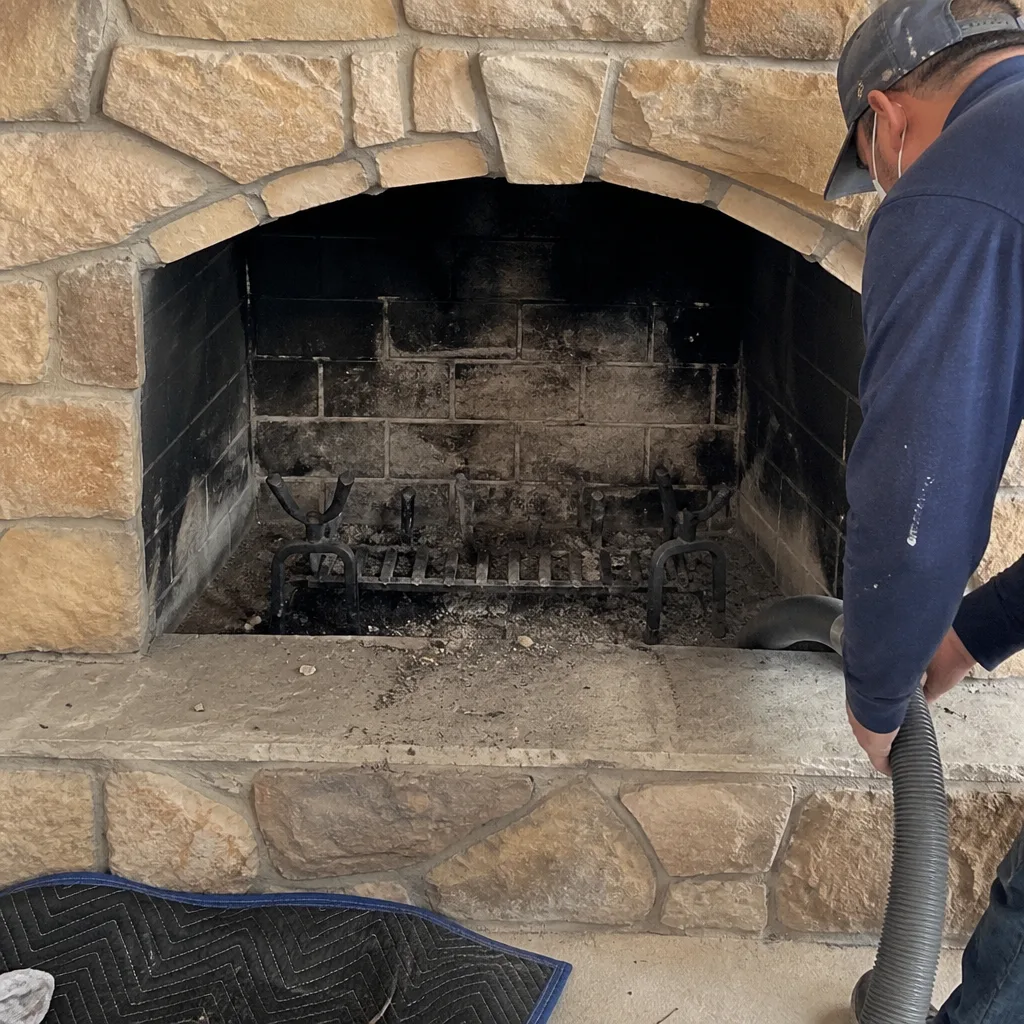
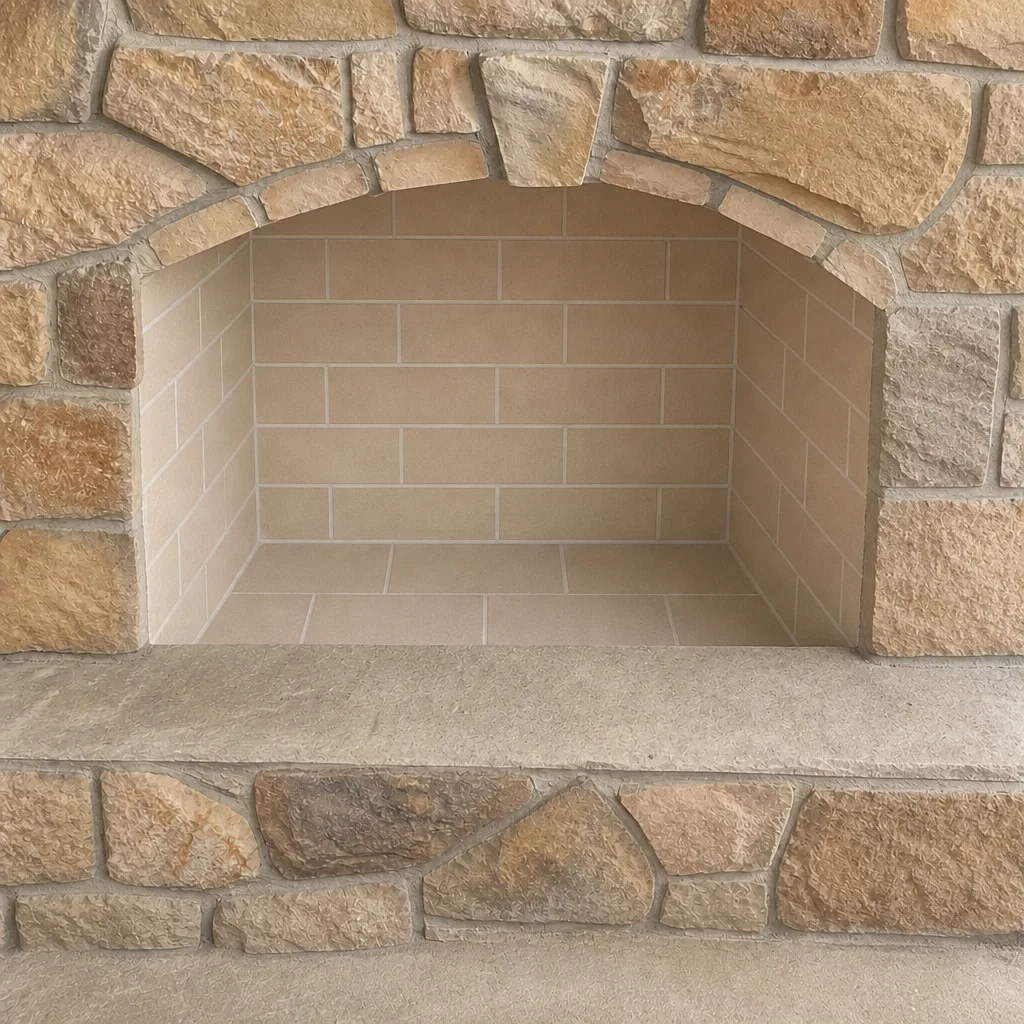
See the difference
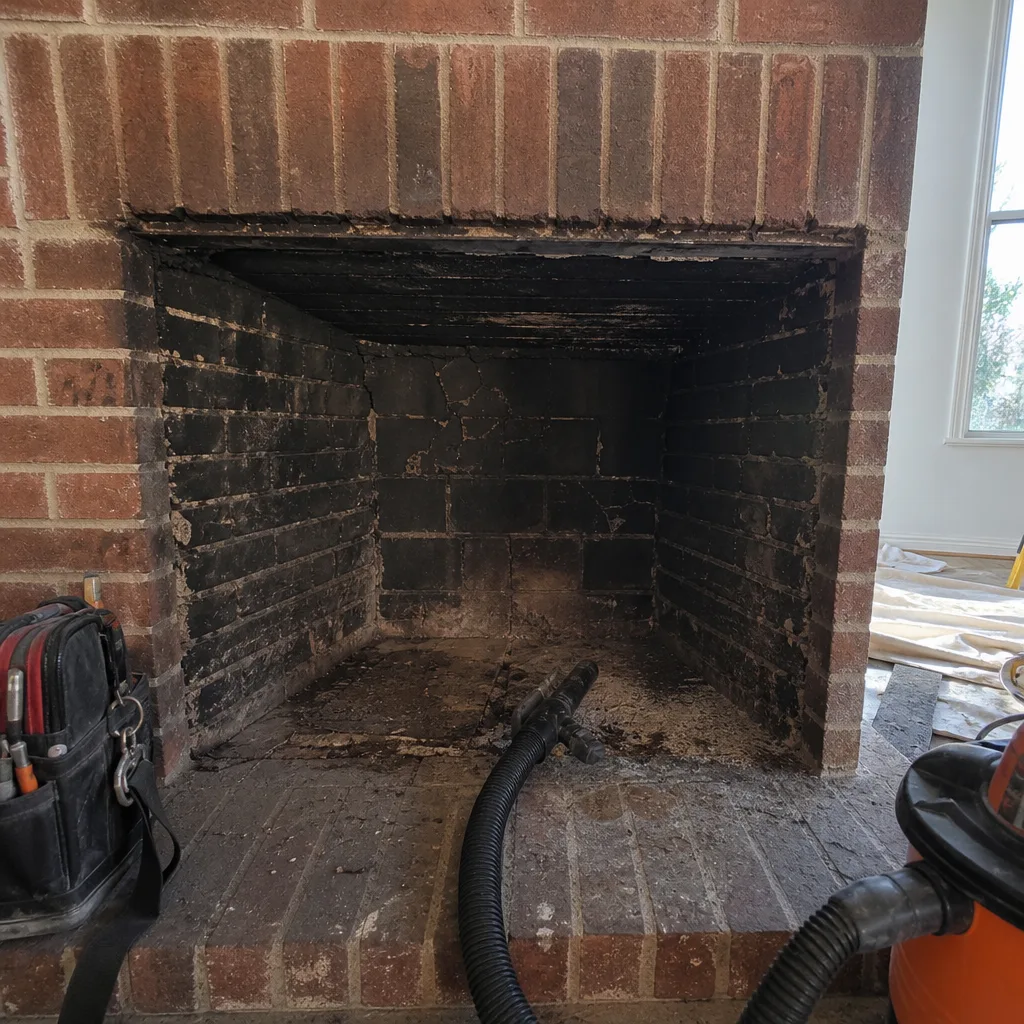 Before
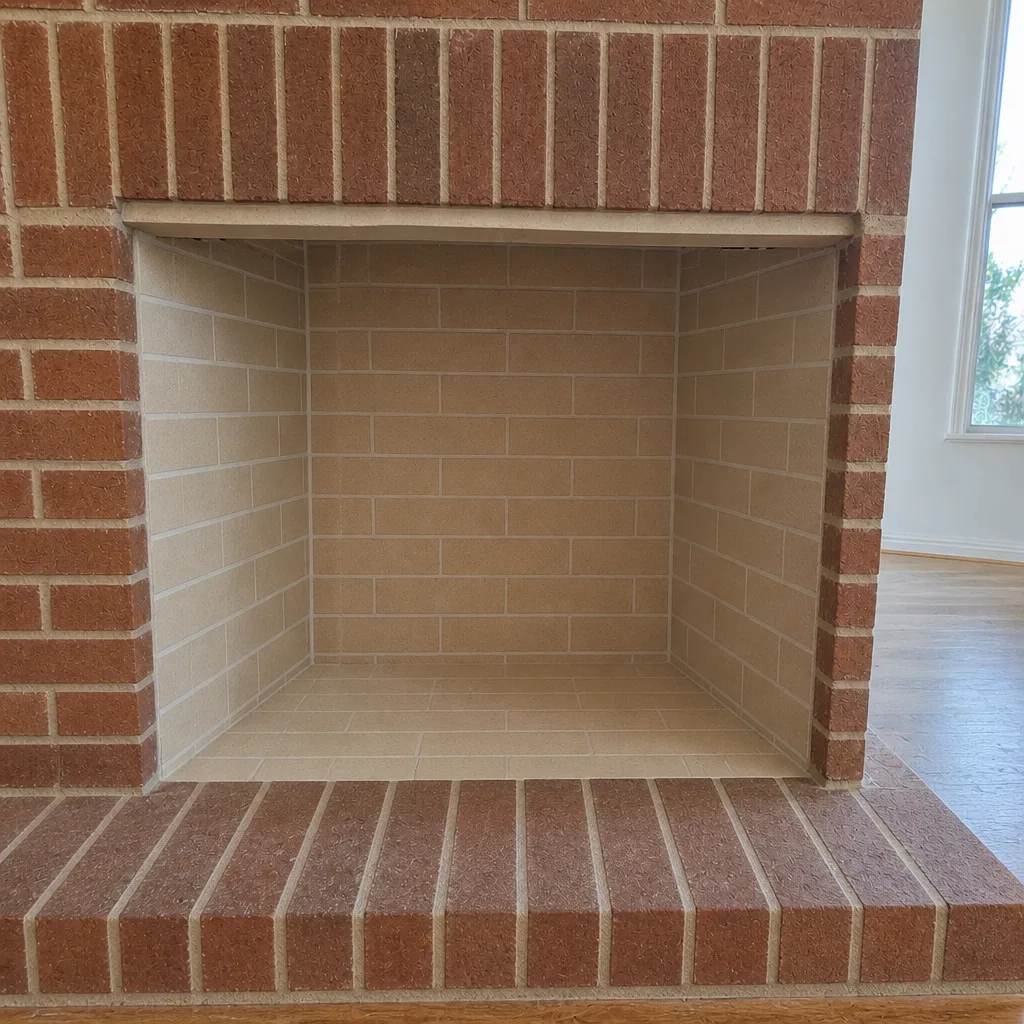 After
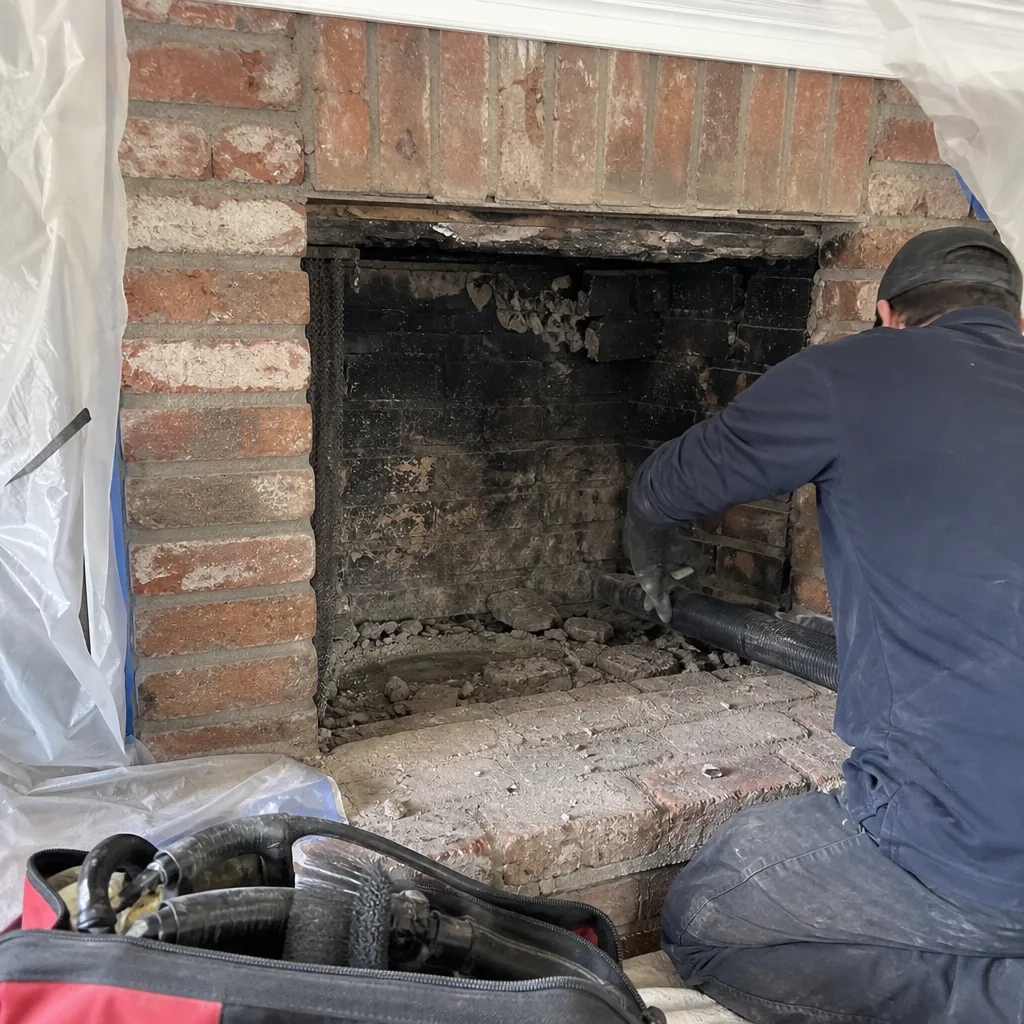 Before
 After
 Before
 After
When to Call a Professional
Some jobs are fine with a flashlight and a plan. Others aren’t. Call a professional if the fire smokes back into the room on every light-up, if you see glazed creosote on the flue walls, if the exterior has spalling or stair-step mortar cracks, if your CO detector has ever alarmed, or if the gas insert has soot on the glass or an unstable pilot. Don’t skip the call if you’re in a real estate transaction and want an honest condition report, or if you’ve bought a home in Portola Springs and don’t know the last time the chimney was looked at. A sweep is not the moment for DIY, because the safety stakes are higher than any other maintenance task on the house. Chimney Sweep Portola Springs offers free estimates in Portola Springs. Call (855) 337-1632. We answer 24/7. Fast dispatch from 7am to 7pm, Sunday through Friday.
Frequently Asked Questions
A typical chimney sweep in the Portola Springs market is a per-job estimate, and the price is set by the written estimate before any work begins. That estimate accounts for the flue size, the deposit load, and whether an inspection or camera is needed. Pricing is by estimate, so the quote you get is the price you pay. Call (855) 337-1632 for an exact quote. Estimates are free.
Annual sweeping is the general rule for a fireplace used regularly through the season, and a visual inspection is worth doing at least once a year even for light use. How often yours actually needs a sweep depends on burn volume, wood type, and what’s already on the flue. The only reliable way to know is to look up the flue. Nobody can give you a real frequency number without that. Call (855) 337-1632 to book an inspection and get a straight answer on timing.
Not always, and that’s exactly why we do camera inspections. A cracked or deteriorated liner is a safety issue, but HeatShield can often restore a deteriorating flue without a full rebuild, and a DuraFlex reline is the right call when the damage runs the length of the flue. If the liner is sound, we say so. Nothing is recommended without camera evidence you can see for yourself. Call (855) 337-1632 for a free estimate on an inspection.
Creosote builds up, and at some point the deposit load gets heavy enough to restrict the flue and increase the risk of a chimney fire. There’s also the moisture path to consider: a failing cap or cracked crown lets water into the masonry, and that damage is slow and cumulative. Skipping a sweep doesn’t usually cause a problem today. It causes one over a season or two, when the deposit gets harder and the water gets in further. Call (855) 337-1632 and we’ll tell you honestly whether your flue can wait.
A visual inspection catches a lot, but it has limits. The flashlight-and-mirror test only reaches the first section of flue. Cracks above the smoke chamber or at offsets are invisible from the firebox. A camera inspection is the only way to see the full flue length and document what’s there. We recommend a camera inspection when the visual check flags anything, or when a home is being bought or sold. Call (855) 337-1632 to schedule one.
Soot on the glass of a gas insert usually means incomplete combustion or a venting problem, and it’s a sign to stop using the insert until it’s inspected. A clean-burning gas insert leaves the glass mostly clear. Soot darkens it. The fix depends on what’s causing it: a burner adjustment, a venting issue, or a supply problem. It’s not a glass-cleaning job. Call (855) 337-1632 to book an inspection before you use it again.
The Bottom Line
The warning signs that matter most are the early ones: a fire that struggles to catch, a change in draft, hairline cracks on the flue wall, efflorescence or spalling on the exterior, soot on a gas insert’s glass. Odors and interior staining are the late-stage signals, and by the time they show up the problem has usually had a head start. The single most useful investment is an honest inspection that looks at the whole system, from the firebox to the cap, with a camera where the flashlight can’t reach. Our approach at Chimney Sweep Portola Springs is simple: look at the whole system, name the material, show you the evidence, and tell you plainly when a repair can safely wait. Our technicians have up to 10 years of experience. Call (855) 337-1632 for a free estimate. We answer 24/7, with fast dispatch from 7am to 7pm, Sunday through Friday.
Written by the team at Chimney Sweep Portola Springs.